Compression Sheets Manufacturer in China Offering High-Performance Industrial Sealing Solutions for Global Procurement
When engineering projects demand a reliable, high-performance sealing solution that can withstand extreme pressures and temperatures, professionals turn to Compression Sheets. These versatile materials are the cornerstone of creating impenetrable gaskets and seals in some of the world's most demanding industrial environments. At Kaxite Sealing, we engineer our compression sheets to not just meet but exceed the rigorous standards of industries ranging from oil and gas to chemical processing and power generation. This guide delves into the technical specifications, applications, and critical selection criteria for these essential materials.
What Are Compression Sheets and How Do They Work?
Compression sheets are non-metallic, composite gasketing materials manufactured by combining fibrous materials, fillers, and elastomeric binders under high pressure and temperature. The resulting sheet stock is homogeneous and designed to be cut into precise gasket shapes. Their primary function is to create a static seal between two mating flanges, preventing the leakage of fluids or gases. The "compression" in their name refers to their key behavior: when installed between flanges and subjected to bolt load, the sheet compresses to fill microscopic imperfections on the flange surfaces, flowing into voids and creating a tight, continuous barrier. This compression, combined with the material's inherent recovery properties, ensures the seal maintains its integrity despite system vibrations, thermal cycling, and pressure fluctuations.
Key Material Parameters and Properties
Selecting the correct compression sheet requires a detailed understanding of its physical and chemical properties. Here are the critical parameters engineers must evaluate:
- Material Composition: Typically a blend of aramid fibers (e.g., Nomex), glass fibers, mineral fillers (like clay or calcium silicate), and nitrile rubber (NBR) or other polymer binders. The specific blend determines the final properties.
- Thickness: Standard thicknesses range from 0.4mm (1/64") to 3.0mm (1/8"), with 1.5mm (1/16") being among the most common for general industrial service.
- Density/Specific Gravity: A measure of compactness, affecting compressibility and recovery. Higher density often correlates with better sealing under high pressure but may offer less compressibility.
- Compressibility: The percentage reduction in thickness under a specific load (e.g., ASTM F36). It indicates how well the sheet will conform to flange faces.
- Recovery: The percentage of thickness regained after the compressive load is released (e.g., ASTM F36). Higher recovery helps the gasket maintain seal during pressure and temperature cycles.
- Tensile Strength: Resistance to pulling forces, important for handling and installation without tearing.
- Creep Relaxation: The loss of bolt load over time as the gasket material relaxes under pressure and temperature. Low creep relaxation is vital for long-term seal stability.
- Temperature Range: The continuous operating temperature limits, both minimum and maximum, the material can endure without degradation.
- Pressure Rating: The maximum internal pressure the sealed gasket can reliably contain.
- Fluid Compatibility/Chemical Resistance: Resistance to a wide range of media, including oils, fuels, solvents, water, steam, and many chemicals.
Kaxite Sealing Compression Sheets: Technical Data Tables
Kaxite Sealing offers a range of compression sheets tailored for different service conditions. Below are the detailed specifications for our two flagship grades: KX-7500 for general-purpose applications and KX-9500 for extreme service.
Table 1: Physical & Mechanical Properties
| Property | Test Method | KX-7500 Standard Grade | KX-9500 Premium Grade |
|---|---|---|---|
| Thickness Range | Standard | 0.5mm - 3.0mm | 0.4mm - 3.0mm |
| Density | ASTM D792 | 1.75 g/cm³ ± 0.10 | 2.00 g/cm³ ± 0.10 |
| Compressibility | ASTM F36 | 12% - 18% | 8% - 12% |
| Recovery | ASTM F36 | 45% - 55% | 55% - 65% |
| Tensile Strength | ASTM F152 | ≥ 9.0 MPa | ≥ 14.0 MPa |
| Creep Relaxation | ASTM F38 | ≤ 25% | ≤ 15% |
Table 2: Temperature, Pressure & Chemical Resistance
| Service Condition | KX-7500 Standard Grade | KX-9500 Premium Grade |
|---|---|---|
| Continuous Temp. Range | -40°C to +250°C (-40°F to +482°F) | -50°C to +400°C (-58°F to +752°F) |
| Max. Sealing Pressure (Water/Oil) | 150 Bar (2175 psi) | 250 Bar (3625 psi) |
| Max. Sealing Pressure (Steam) | 80 Bar (1160 psi) | 120 Bar (1740 psi) |
| Excellent Resistance To | Water, Steam, Oils, Fuels, Aliphatic Hydrocarbons, Mild Acids/Alkalis | All of KX-7500, plus Strong Acids, Strong Alkalis, Aromatics, Halogenated Solvents |
| Not Recommended For | Strong oxidizing acids, concentrated caustic streams above 150°C | Molten metals, fluorine gas |
Primary Applications and Industries
The robustness of compression sheets makes them indispensable across a broad spectrum of sectors. Kaxite Sealing materials are specified by engineers in the following key industries:
- Oil & Gas: Flange gaskets for pipelines, wellheads, separators, and refinery equipment handling crude oil, natural gas, and process fluids. Chemical & Petrochemical: Seals for reactors, columns, heat exchangers, and pump flanges exposed to aggressive chemicals and solvents.
- Power Generation: Gaskets for steam turbines, boilers, condensers, and feedwater systems in both fossil fuel and nuclear plants.
- Marine & Shipbuilding: Seals for engine systems, fuel lines, and seawater cooling systems on vessels.
- Pulp & Paper: Digester, bleach plant, and paper machine applications involving steam, chemicals, and high temperatures.
- General Manufacturing & HVAC: Pumps, compressors, valves, and heat exchanger gaskets in various industrial and commercial settings.
Frequently Asked Questions (FAQ) About Compression Sheets
Q: What is the main advantage of using a compression sheet over a rubber O-ring or a metallic gasket?
A: Compression sheets offer a unique balance of performance, cost-effectiveness, and versatility. Unlike rubber O-rings, they can seal large, irregularly shaped flanges and handle much higher temperatures and pressures. Compared to solid metal gaskets, they require significantly lower bolt load to achieve a seal, are more forgiving of minor flange imperfections, and are easier to cut and install on-site. They provide excellent sealing across a wide range of media without the cost and installation complexity of semi-metallic or spiral-wound gaskets for many applications.
Q: How do I select the correct thickness for my compression sheet gasket?
A: Gasket thickness selection is critical. Thinner gaskets (e.g., 0.5mm-1.0mm) offer lower creep relaxation and are better for high-pressure applications with smooth flanges. Thicker gaskets (e.g., 1.5mm-3.0mm) provide higher compressibility and are ideal for sealing flanges with slight warpage, surface irregularities, or lower bolt loads. For standard ANSI B16.5 flanges, 1.5mm (1/16") is a common starting point. Always consult the equipment manufacturer's specifications or a Kaxite Sealing engineer for application-specific guidance.
Q: Can Kaxite Sealing compression sheets be used for superheated steam service?
A: Yes, specifically our KX-9500 grade is engineered for high-temperature steam service up to 400°C and 120 Bar. Its advanced binder system and filler package resist hardening and degradation under prolonged exposure to superheated steam, providing reliable, long-term sealing. It is crucial, however, to ensure the flanges are in good condition, properly aligned, and that the correct bolt load is applied during installation to prevent steam cutting or blow-out.
Q: What is the shelf life of your compression sheet materials, and how should they be stored?
A: Kaxite Sealing compression sheets have a recommended shelf life of 5 years from the date of manufacture when stored properly. They should be kept in their original packaging, laid flat or stored on a vertical rack to prevent bending. The storage environment should be cool, dry, and out of direct sunlight, with temperatures ideally between 10°C and 25°C (50°F and 77°F). Avoid storage near heat sources, ozone generators, or chemicals that could cause contamination or premature aging.
Q: Are these sheets suitable for use in pharmaceutical or food processing equipment?
A: While our standard KX-7500 and KX-9500 grades offer excellent chemical resistance, they are not specifically certified for direct, uninsulated contact with pharmaceuticals or foodstuffs. For such applications, we recommend inquiring about our specialized compliant material options that are designed to meet FDA or other relevant regulatory standards for incidental food contact, using approved ingredients and manufacturing processes.
Q: How do I calculate the correct bolt torque for installing a gasket made from your compression sheet?
A: Correct bolt torque is essential for an effective seal without damaging the gasket or flanges. The calculation depends on the gasket material's stress-to-seal value (yield stress), gasket dimensions, number of bolts, and bolt grade. As a general reference, for our KX-7500 material, a typical target gasket seating stress ranges from 70 to 100 MPa. It is highly recommended to use the ASME PCC-1 guidelines for "Guidelines for Pressure Boundary Bolted Flange Joint Assembly" or proprietary flange calculation software. Kaxite Sealing can provide material-specific sealing stress data to input into these calculations.
Installation Best Practices for Optimal Performance
Even the highest-quality compression sheet will fail if installed incorrectly. Follow these key steps:
- Flange Inspection: Clean both flange faces thoroughly, removing all old gasket material, rust, and debris. Check for scratches, gouges, warpage, or pitting that exceed allowable limits (typically specified in standards like ASME B16.5).
- Gasket Cutting & Fitting: Cut the gasket accurately to match the flange dimensions. It should fit inside the bolt circle without obstructing bolt holes. Use sharp tools to avoid ragged edges that can tear or create leak paths.
- Alignment: Ensure the flanges are properly aligned before inserting the gasket. Misalignment causes uneven compression and seal failure.
- Bolt Preparation: Use clean, lubricated bolts and nuts of the correct grade. Lubrication ensures a more consistent and accurate torque application.
- Torquing Sequence: Follow a star-pattern or cross-bolting sequence to compress the gasket evenly. Tighten in multiple incremental steps (e.g., 30%, 60%, 100% of final torque) to the specified value. Re-torquing after a 24-hour hot or cold cycle is often recommended for critical services.
- View as
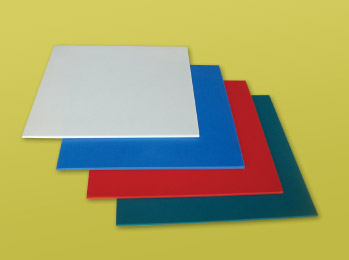
PTFE Resin Moded Sheet
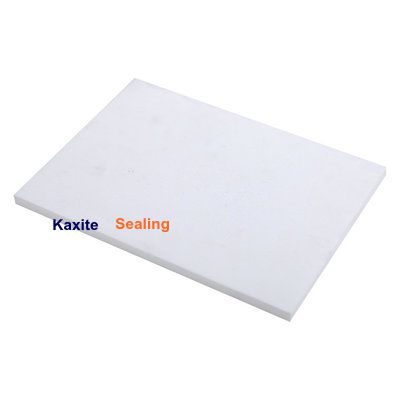
Kaxite Sealing's PTFE Resin Molded Sheet offers superior durability and chemical resistance, ideal for sealing applications in harsh industrial environments. Its unique formulation ensures reliable performance, reducing maintenance costs and boosting efficiency, making it a smart choice for engineers seeking long-lasting solutions.
Molded PTFE Sheet Gaskets
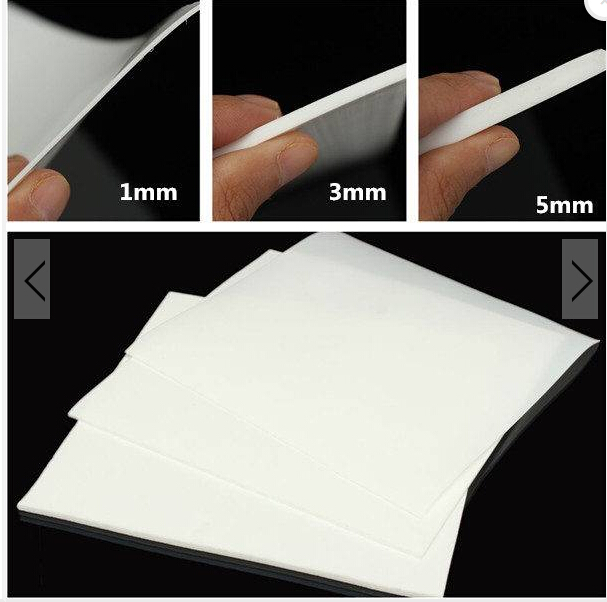
Discover Kaxite Sealing's Molded PTFE Sheet Gaskets: engineered for superior sealing in harsh environments. Made from durable PTFE, they resist chemicals and extreme temperatures, perfect for industrial and chemical applications. Enjoy reliable performance, reduce downtime, and feel confident in every connection. Choose Kaxite for precision and quality you can trust.
PTFE Skived Sheet
Discover Kaxite Sealing's PTFE Skived Sheet — an ultra-thin, high-performance material engineered for exceptional chemical resistance, low friction, and durability. Ideal for industrial seals, gaskets, and linings, this sheet excels in harsh environments, ensuring reliable operation and long-term efficiency. Tailored for engineers and manufacturers, it delivers peace of mind by solving leakage and wear issues. Experience unmatched quality with a commitment to precision and consistency. Elevate your projects with Kaxite Sealing — where innovation meets reliability.

Oil-Resistance Asbestos Rubber Sheets
Kaxite Sealing's Oil-Resistance Asbestos Rubber Sheets deliver superior sealing solutions for industries where durability and reliability are crucial. Crafted with high-quality materials, these sheets excel in oil-resistant performance, ensuring long-lasting protection against leaks in demanding environments like automotive, construction, and manufacturing. Their unique composition combines asbestos and rubber for enhanced flexibility and resistance, making them a standout choice compared to standard options. Users experience peace of mind knowing they're investing in a product that tackles tough sealing challenges head-on, reducing downtime and maintenance costs. Choose Kaxite Sealing for trusted, high-performance sealing—your go-to partner for industrial excellence.
Asbestos Rubber Sheets
Discover Kaxite Sealing's Asbestos Rubber Sheets, designed for superior sealing in industrial and commercial applications. These durable sheets offer resistance to high temperatures and chemicals, making them ideal for engineers, contractors, and maintenance teams. Experience reliable performance that solves leakage problems and enhances safety. Their eco-friendly formulation sets them apart. Invest in quality today!
Asbestos Rubber Sheet with wire net strengthening
Discover the Kaxite Sealing Asbestos Rubber Sheet with wire net strengthening, a durable solution for sealing and insulation in industrial applications. Its reinforced wire mesh ensures exceptional strength, preventing leaks and damage, ideal for engineers and contractors. Experience reliability and peace of mind with this innovative, high-performance material that stands out for its superior resilience.