Gasket Tape Factory in China
Gasket Tape: The Ultimate Sealing Solution for Professionals
In the demanding world of industrial maintenance, plumbing, HVAC, and manufacturing, achieving a perfect, lasting seal is not just a requirement—it’s an imperative. Leaks, drafts, and contamination can lead to significant energy loss, equipment failure, and costly downtime. This is where a high-performance sealing product becomes critical. Gasket tape has emerged as a versatile and indispensable tool for professionals seeking a reliable, easy-to-apply, and durable sealing method. Unlike traditional pre-cut gaskets, gasket tape offers unparalleled flexibility, allowing for custom sizing and on-site repairs without the need for specialized tools or lengthy curing times.
At Kaxite Sealing, we have dedicated decades to engineering sealing solutions that meet the rigorous standards of modern industry. Our expertise is encapsulated in our flagship product line of professional-grade gasket tapes. Designed for resilience and performance, Kaxite Sealing gasket tape is formulated to withstand extreme temperatures, aggressive chemicals, and high pressure, ensuring a leak-proof seal in the most challenging applications. Whether you are sealing a flange on a chemical processing pipe, an access panel on an industrial oven, or a duct in a ventilation system, our tape provides a consistent and reliable barrier.
What is Gasket Tape and How Does It Work?
Gasket tape is a formable, pressure-sensitive sealing material typically supplied on a roll. It is engineered to replace conventional cut gaskets. The core principle is simple yet effective: the tape is applied directly to a clean sealing surface, conforming to its shape. When the mating surface (like a flange or cover) is assembled and bolted together, the compressive force activates the tape. It flows slightly to fill microscopic imperfections, voids, and scratches on the metal surfaces, creating a continuous, homogeneous seal that prevents the passage of liquids, gases, or contaminants.
The advantages of using a high-quality tape like that from Kaxite Sealing are numerous:
- Time and Cost Efficiency: Eliminates the need for inventorying multiple pre-cut gasket sizes. One roll can create countless gaskets.
- Versatility: Can be used on irregular shapes, large diameters, or as a repair kit for damaged existing gaskets.
- Superior Seal: Creates a seal across the entire flange face, unlike some solid gaskets that may have joints.
- Reduced Bolt Load: Often requires lower bolt torque to achieve an effective seal compared to harder gasket materials, reducing flange stress.
- No Curing Time: Most types, including our silicone-based tapes, create an instant seal upon compression.
In-Depth Technical Specifications of Kaxite Sealing Gasket Tape
Selecting the right gasket tape requires a thorough understanding of its technical parameters. Kaxite Sealing products are characterized by the following specifications, ensuring they meet a wide array of industrial standards.
Material Composition & Key Properties
| Property / Material Type | Silicone Foam | PTFE (Teflon®) | Rubber (EPDM/NBR Blend) | Graphite Foil |
|---|---|---|---|---|
| Primary Base Material | Silicone Polymer Foam | Expanded Polytetrafluoroethylene | Ethylene Propylene Diene Monomer / Nitrile Rubber | Exfoliated Graphite |
| Temperature Range | -60°C to +230°C (-76°F to +446°F) | -260°C to +315°C (-436°F to +599°F) | -40°C to +120°C (-40°F to +248°F) | -200°C to +550°C (-328°F to +1022°F) in non-oxidizing atmospheres |
| Pressure Resistance | Up to 150 psi | Up to 300 psi (dependent on density) | Up to 200 psi | Up to 250 psi |
| Chemical Resistance | Excellent to oils, solvents, water. Good UV resistance. | Excellent, inert to almost all chemicals. | Excellent (NBR: oils & fuels; EPDM: water, steam, ozone). | Excellent, resistant to most corrosive media. |
| Typical Thickness | 1/16", 1/8", 1/4" | 1/32", 1/16", 1/8" | 1/16", 1/8" | 0.5mm, 1.0mm, 1.5mm |
| Standard Roll Dimensions | 1/2" x 1/8" x 30 ft, 1" x 1/8" x 30 ft | 1/2" x 1/16" x 50 ft, 1" x 1/16" x 50 ft | 1/2" x 1/8" x 30 ft | 1" x 1.0mm x 30 ft |
| Ideal Application | HVAC, electrical enclosures, appliance doors, general-purpose sealing. | Chemical processing, food & pharmaceutical, high-purity systems, aggressive fluids. | Automotive, plumbing, water systems, fuel oil systems. | High-temperature flanges (exhausts, boilers, heat exchangers), corrosive environments. |
Physical & Performance Data
- Density: Ranges from low-density foam (Silicone, ~15-25 lbs/cu ft) to high-density solid (PTFE/Graphite).
- Tensile Strength: 150-400 psi depending on material and formulation.
- Compression Set: <10% for premium grades (Kaxite Sealing Standard), ensuring the tape does not permanently deform and maintains sealing force.
- Flammability Rating: Most materials are UL 94 HB rated or better; Silicone foam is often self-extinguishing.
- Adhesive Backing: Our standard product features a high-tack, pressure-sensitive acrylic adhesive protected by a easy-release liner for simple, precise application.
- Color: Available in standard colors for easy identification: White/Black (Silicone), White (PTFE), Black (Rubber), Gray (Graphite).
Step-by-Step Application Guide for Optimal Results
Proper application is key to achieving the legendary performance of Kaxite Sealing gasket tape. Follow these steps meticulously.
- Surface Preparation: This is the most critical step. Ensure both sealing surfaces are completely clean, dry, and free of oil, grease, rust, old gasket material, and debris. Use a solvent like isopropyl alcohol and a Scotch-Brite pad or wire brush if necessary.
- Measurement & Cutting: Measure the length of tape needed to match the sealing path. For flanges, cut the tape to the exact outside diameter. It's often easier to cut slightly longer and trim after application.
- Application: Peel away the protective liner from the adhesive side. Starting at one point on the surface, carefully apply the tape, ensuring it is centered on the sealing area. Avoid stretching the tape. For corners, miter-cut the tape for a clean joint without overlap.
- Joining Ends: When you reach the starting point, cut the tape at a 45-degree angle to create a clean, butt joint. Do not overlap the ends.
- Finger Pressing: Once applied, use your fingers to firmly press the tape across its entire width, ensuring full adhesive contact and removing any air bubbles.
- Assembly: Carefully place the mating surface onto the taped flange. Insert all bolts or fasteners by hand to ensure alignment.
- Torquing: Tighten bolts in a star or criss-cross pattern to the manufacturer's recommended torque specification. This ensures even compression of the gasket tape across the entire flange. Do not overtighten.
Frequently Asked Questions (FAQ) About Gasket Tape
Can I use gasket tape on high-pressure steam lines?
For low-pressure steam applications, high-temperature silicone or EPDM rubber gasket tape may be suitable. However, for high-pressure steam lines, we strongly recommend consulting engineering specifications. Our graphite foil tape is specifically engineered for high-temperature sealing and is often used in steam applications up to its rated temperature and pressure. Always verify the tape's specifications against the service conditions.
How do I remove old gasket tape residue?
Residue from pressure-sensitive adhesive can typically be removed using a common commercial adhesive remover or a solvent like mineral spirits or citrus-based cleaners. Apply the solvent, allow it to penetrate for a few minutes, and then gently scrape with a plastic scraper or use a scrubbing pad. For stubborn residue on sensitive surfaces, Kaxite Sealing offers a specialized, non-flammable gasket remover spray that is effective and safe on most metals.
What is the shelf life of Kaxite Sealing gasket tape, and how should I store it?
When stored correctly in its original packaging, Kaxite Sealing gasket tape has a shelf life of 24 months from the date of manufacture. Ideal storage conditions are in a cool, dry place away from direct sunlight, extreme heat (above 40°C / 104°F), and sources of ozone or UV radiation. Do not store heavy objects on top of the rolls to prevent deformation.
Can gasket tape be used as a thread sealant for pipes?
No, gasket tape is designed for sealing between two flat or flanged faces (face seal). It is not intended for sealing threaded connections (male/female threads). For pipe threads, you should use a proper thread sealant tape (PTFE tape) or a liquid thread sealant compound, which are formulated to fill the helical gaps of threads.
Is Kaxite Sealing gasket tape suitable for food contact applications?
Yes, we offer specific grades that are compliant with relevant food safety regulations. Our PTFE-based gasket tape and certain high-purity silicone foam tapes are manufactured to be FDA compliant and are suitable for incidental food contact. Certificates of Compliance are available upon request for these products. Always specify your requirement for food-grade material when ordering.
How do I choose between foam tape and solid tape (like PTFE or Graphite)?
The choice depends on your application's primary demands. Foam tapes (like silicone) are excellent for sealing uneven surfaces, providing vibration damping, and are easy to compress, making them ideal for enclosures and access panels. Solid tapes (PTFE, Graphite) are for applications requiring extreme chemical resistance, very high or low temperatures, or where a thin, dense seal is needed, such as on machined metal flanges in chemical pumps or high-temperature exhausts.
Does the adhesive on the tape interfere with the seal?
Not at all. The adhesive on Kaxite Sealing gasket tape serves only to hold the tape in place during assembly—a crucial feature that simplifies installation. The actual sealing function is performed by the body of the tape material itself when it is compressed between the two surfaces. The adhesive is formulated to be compatible with the base material and does not migrate or degrade the seal's integrity under specified service conditions.
- View as

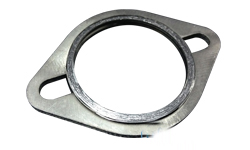
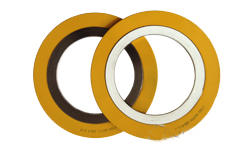
V Shape metallic tape
Kaxite Sealing presents the V Shape metallic tape, designed for precision sealing in industries like plumbing and HVAC. Crafted from durable, flexible metal, its V-shaped design ensures superior adhesion and a lasting seal, ideal for professionals and DIY enthusiasts tackling repairs or installations. This tape solves leaks effortlessly, offering reliability and peace of mind. Stand out with our innovative, easy-to-apply solution that outperforms standard tapes. Elevate your projects with quality assurance from Kaxite Sealing.
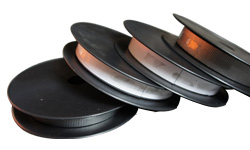
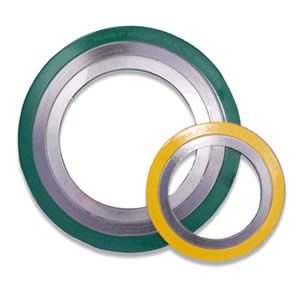
Corrugated Graphite Tape
Kaxite Sealing's Corrugated Graphite Tape offers superior sealing with flexible, durable graphite material. Ideal for industrial applications, it prevents leaks and withstands extreme temperatures, providing reliable performance and peace of mind. Upgrade your sealing solutions today!
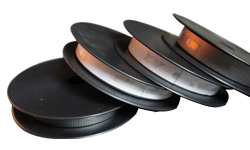
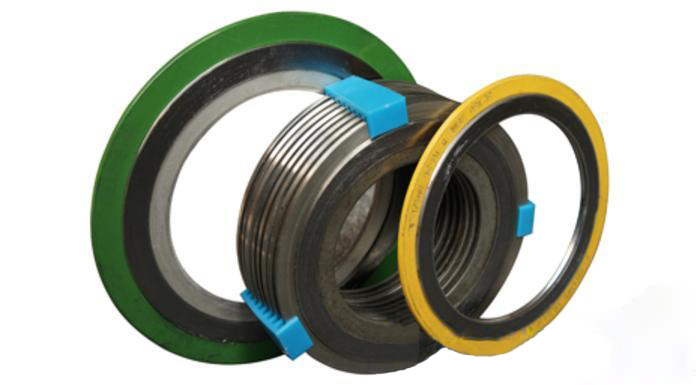
Corrugated Graphite Tape
Discover Kaxite Sealing's Corrugated Graphite Tape, the ultimate sealing solution for industrial applications. Its corrugated design and durable graphite material provide superior heat and chemical resistance, ensuring reliable performance in demanding environments. Ideal for engineers and technicians in sectors like manufacturing and aerospace, this product transforms sealing tasks with confidence and efficiency. Stand out from competitors with its innovative structure that enhances flexibility and longevity. Try it today and elevate your sealing game!
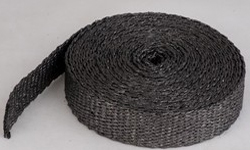
Braided Graphite Tape
Kaxite Sealing's Braided Graphite Tape offers unmatched sealing performance for high-temperature applications. Crafted with durable graphite fibers, it ensures reliable gasketing in industrial settings, providing peace of mind with leak-free operation. Ideal for engineers and maintenance teams, this tape excels in diverse environments, delivering efficiency and long-lasting results that simplify complex challenges—choose Kaxite Sealing for superior quality.