Graphite Sheet Factory in China
Understanding the Core of Modern Thermal and Sealing Solutions
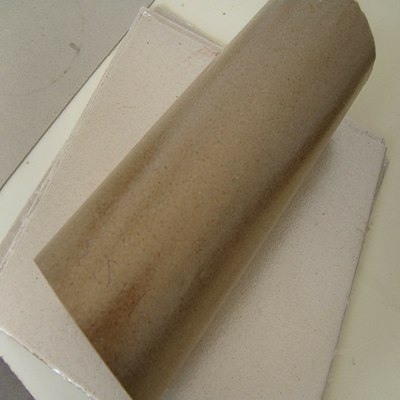
In the realm of high-performance industrial materials, the Graphite Sheet stands out as a cornerstone technology. Engineered for excellence, this flexible graphite material is the product of advanced manufacturing processes that exfoliate and compress high-purity natural graphite. The result is a sheet possessing a unique combination of properties: exceptional thermal conductivity, reliable compressibility, and impressive chemical resistance. At Kaxite Sealing, we specialize in producing premium-grade Graphite Sheets that meet the rigorous demands of modern engineering, providing robust solutions for thermal management and fluid sealing across countless applications.
Key Product Parameters and Specifications
Selecting the right Graphite Sheet is critical for application success. Our products at Kaxite Sealing are characterized by a set of precise, measurable parameters that define their performance. Below is a detailed breakdown of our standard specifications, which can also be customized to meet specific project requirements.
Standard Material Properties
- Base Material: High-purity natural flake graphite (Carbon content typically >99%).
- Form: Flexible, roll-good sheets or die-cut gaskets.
- Color: Dark gray to black.
- Temperature Range: Capable of performing from cryogenic temperatures up to 3000°F (1650°C) in non-oxidizing atmospheres; up to 750°F (400°C) in continuous oxidizing environments with appropriate facing materials.
- Thermal Conductivity: Excellent in-plane (x-y axis) conductivity, typically ranging from 150 to 400 W/m·K depending on density and grade.
- Chemical Resistance: Inert to most chemicals, solvents, and acids; resistant to corrosion and oxidation when properly specified.
- Compressibility & Recovery: High compressibility (typically 15-40%) and good recovery characteristics, ensuring effective sealing under low bolt load.
- Fire Safety: Non-flammable and does not melt, contributing to superior fire safety in critical systems.
Detailed Specification Table
| Property / Grade | Standard Grade | High-Density Grade | Anti-Oxidation Treated | Test Method |
|---|---|---|---|---|
| Density (g/cm³) | 1.0 - 1.2 | 1.4 - 1.8 | 1.1 - 1.3 | ASTM D792 |
| Tensile Strength (MPa) | 4.5 - 6.0 | 8.0 - 12.0 | 5.0 - 7.0 | ASTM F152 |
| Compression Set (%) | 8 - 15 | 5 - 10 | 10 - 18 | ASTM F36 |
| Thermal Conductivity - In-Plane (W/m·K) | 150 - 200 | 300 - 400 | 120 - 180 | ASTM E1461 |
| Maximum Service Temp in Air (°C) | 450 | 450 | 550 - 600 | - |
| pH Value | 5 - 7 | 5 - 7 | 6 - 8 | ASTM E70 |
| Typical Applications | General gasketing, heat spreaders | High-pressure flanges, fuel cells | High-temp exhausts, oxidizing atmospheres | - |
Primary Applications and Industries Served
The versatility of Kaxite Sealing Graphite Sheets makes them indispensable across a broad industrial spectrum.
- Power Generation & Petrochemical: Used as gaskets for flanges in pipelines, heat exchangers, reactors, and turbine systems where high temperatures and corrosive media are present.
- Automotive & Aerospace: Employed in exhaust manifold gaskets, fuel cell seals, and thermal interface materials (TIMs) for battery packs and electronic control units, managing extreme heat.
- Industrial Manufacturing: Serves as sealing elements in pumps, valves, compressors, and industrial ovens/furnaces.
- Electronics & Telecommunications: Acts as highly efficient heat spreaders or thermal pads in LEDs, CPUs, power amplifiers, and 5G infrastructure components.
- Semiconductor Fabrication: Used in CVD and diffusion furnace seals due to purity and temperature stability.
Frequently Asked Questions (FAQ)
What is the fundamental advantage of a flexible graphite sheet over traditional gasket materials like rubber or asbestos?
Flexible graphite sheets offer a superior combination of properties that traditional materials lack. They provide excellent thermal conductivity, allowing them to manage heat effectively rather than just acting as a barrier. They are chemically inert to a vast range of media, ensuring compatibility in harsh environments. Crucially, they maintain seal integrity under extreme temperature cycling from cryogenic to very high heat, where rubber degrades and asbestos is hazardous. Their creep relaxation resistance is also far better, meaning the seal remains tight for longer periods under bolt load.
Can Kaxite Sealing Graphite Sheets be used in high-pressure applications?
Yes, but with proper design consideration. While flexible graphite itself is not inherently a high-strength material, its ability to conform to flange surfaces creates an excellent seal. For high-pressure applications, we often recommend our High-Density Grade or combine the graphite sheet with a solid metal core (known as a Grafoil®-style gasket) or metal tang inserts. This composite structure provides the necessary blow-out resistance while retaining the superior sealing and thermal properties of graphite. Always consult our engineering team for pressure rating guidance specific to your application.
How do I select the appropriate density for my application?
Density selection is a balance between sealability, mechanical strength, and thermal performance. Lower density sheets (e.g., 1.0-1.1 g/cm³) are more conformable and excellent for sealing uneven or lightly damaged flanges at lower bolt loads. Standard density (1.1-1.3 g/cm³) offers a good all-around performance. High-density sheets (1.4-1.8 g/cm³) are chosen for applications requiring higher mechanical strength, lower creep relaxation, superior thermal conductivity, or where extrusion into gaps is a concern. Our specification table provides a clear starting point for this decision.
What does "Anti-Oxidation Treatment" mean, and when is it necessary?
Plain flexible graphite can oxidize (burn off) in continuous air exposure at temperatures above approximately 450°C. Anti-oxidation treatment involves impregnating the graphite sheet with inhibitors, typically inorganic phosphate-based compounds. This treatment significantly slows the oxidation rate, extending the continuous service temperature in air to 550-600°C. This is essential for applications like high-temperature exhaust systems, furnace door seals, or any sealing task in a consistently oxidizing atmosphere. Kaxite Sealing offers specially treated grades for these demanding conditions.
Are Graphite Sheets electrically conductive? Is this a concern?
Yes, flexible graphite sheets are electrically conductive in the plane of the sheet. This is a critical factor to consider during design and installation. For gasketing applications, this conductivity can help prevent galvanic corrosion by creating electrical continuity between flanges. However, in thermal interface applications in electronics, this conductivity is often beneficial for heat spreading. If electrical isolation is required, graphite sheets must be used in combination with insulating layers or alternative materials should be considered. Always inform us if electrical isolation is a requirement.
How should I store and handle Kaxite Sealing Graphite Sheets?
Proper handling ensures optimal performance. Store sheets in their original packaging in a cool, dry place away from direct sunlight and moisture. Avoid folding or creasing the material, as this can create weak points. When cutting or machining, use sharp tools and clean, deburred surfaces to prevent contamination with oils or metals. During installation, ensure flange surfaces are clean, dry, and free of old gasket material. Use a torque wrench and follow a star-pattern tightening sequence to the recommended torque values to achieve an even, effective seal without damaging the graphite.
Can these sheets be customized, and what are the lead times?
Absolutely. At Kaxite Sealing, customization is a core strength. We can supply graphite sheets in custom rolls (various widths and lengths), pre-cut blanks, or fully finished gaskets of virtually any shape—simple circles, complex OEM profiles, or large custom geometries. We can also laminate graphite with metal foils, apply PSA (pressure-sensitive adhesive) backings, or create composite structures. Standard product lead times are competitive, while custom projects are quoted based on complexity and volume. Contact our sales team with your drawings or specifications for a precise consultation and quote.
- View as
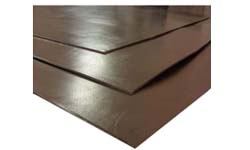
Graphite Sheet with Metal Mesh
Discover Kaxite Sealing's Graphite Sheet with Metal Mesh: a high-performance solution for superior thermal management and sealing in electronics, automotive, and industrial applications. This innovative product combines durable graphite and metal mesh for enhanced durability, heat dissipation, and reliability, offering unmatched efficiency and longevity. Ideal for engineers, manufacturers, and hobbyists, it ensures peak performance and solves overheating and leakage issues with ease. Elevate your projects with Kaxite Sealing's unique blend of cutting-edge technology and quality craftsmanship.
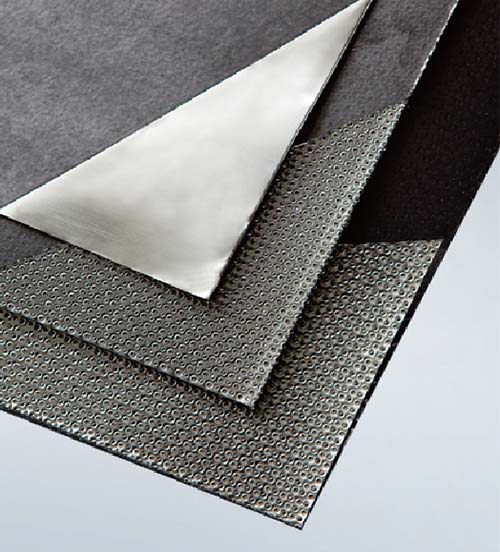
Graphite Sheet reinforced with Tanged Metal
Discover Kaxite Sealing's Graphite Sheet reinforced with Tanged Metal, the ultimate solution for superior sealing in high-temperature environments. This product combines durable graphite with tanged metal reinforcement for unmatched durability, thermal conductivity, and leak resistance, ideal for industrial applications in manufacturing and engineering. Experience enhanced performance, reduced downtime, and long-lasting reliability that sets it apart from standard seals. Embrace efficiency and peace of mind with this innovative, professional-grade material—perfect for industries seeking advanced sealing solutions.
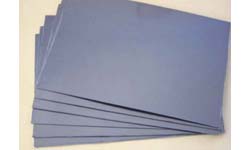
Graphite Sheet Reinforced with Metal Foil
Discover Kaxite Sealing's Graphite Sheet Reinforced with Metal Foil, a high-performance sealing solution ideal for industries like automotive and manufacturing. This durable product combines graphite's flexibility with metal foil's strength, offering superior heat resistance and sealing efficiency. Perfect for engineers and technicians, it ensures reliable performance in demanding environments, enhancing safety and reducing maintenance needs. Its reinforced design sets it apart from standard sheets, providing long-lasting quality and peace of mind.
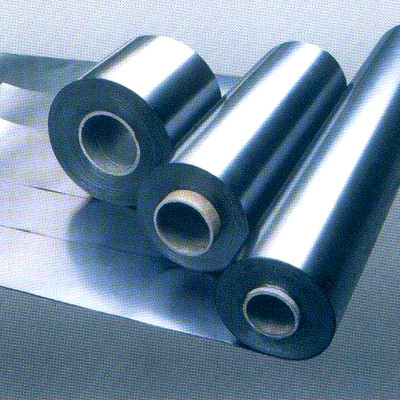
Flexible Graphite Sheet
Discover Kaxite Sealing's Flexible Graphite Sheet: a versatile sealing solution for industrial applications, offering superior heat resistance, durability, and flexibility. Perfect for engineers and manufacturers, it ensures reliable performance in high-temperature settings, reducing maintenance and enhancing efficiency. Experience peace of mind with our innovative, eco-friendly design that stands out in the market. Embrace seamless operations—choose quality with Kaxite Sealing today!