Machines for Graphite Reinforced Gaskets Factory in China
Essential Machinery for Manufacturing Premium Graphite Reinforced Gaskets
In the demanding world of industrial sealing, graphite reinforced gaskets stand out for their exceptional performance under high temperatures and pressures. The integrity of these critical components is directly tied to the precision and quality of the manufacturing process. This is where specialized Machines for Graphite Reinforced Gaskets become indispensable. At Kaxite Sealing, we understand that the machinery is not just a production tool; it's the foundation of reliability, consistency, and efficiency in gasket fabrication. This guide delves into the core machinery required, detailing technical specifications and operational parameters to help you build or optimize your production line.
Core Components of a Graphite Gasket Production Line
A complete manufacturing system for graphite reinforced gaskets is an integrated suite of machines, each performing a specific, critical function. The synergy between these units determines the final product's quality.
- Unwinding & Feeding System: Precisely handles rolls of core reinforcement material (e.g., stainless steel, carbon steel).
- Graphite Dispensing & Calendering Unit: The heart of the process, which evenly applies and compresses graphite foil onto the metal core.
- Slitting Machine: Cuts the wide, calendered composite sheet into narrower strips of required filler width.
- Gasket Cutting Press (Clicker Press or CNC Cutter): Cuts the final gasket shapes from the reinforced graphite strips or sheets.
- Embossing/Lamella Profiling Machine: Creates the specific groove patterns (lamellas) on the gasket surface to enhance sealing performance.
- Automated Handling & Stacking Systems: For post-production sorting, packaging, and palletizing.
Detailed Technical Specifications of Key Machines
Understanding the precise capabilities of each machine is crucial for production planning and achieving desired output quality. Below are detailed parameters for the central machinery from Kaxite Sealing.
1. High-Precision Calendering & Laminating Machine
This machine ensures the uniform bonding of graphite to the metal substrate, controlling density and thickness.
| Parameter | Specification | Importance |
|---|---|---|
| Max Working Width | 1300 mm, 1600 mm, 2000 mm | Determines production capacity and sheet size flexibility. |
| Roller Diameter | Φ 400 - 600 mm (Hardened & Chromed) | Provides necessary pressure and heat transfer for compaction. |
| Line Speed | Adjustable, 1 - 15 meters/min | Controls production throughput and curing/drying time. |
| Heating System | Electric or Thermal Oil, up to 250°C | Activates binders and improves graphite malleability. |
| Pressure Control | Hydraulic, 0 - 300 Tons (Precision +/- 0.5%) | Critical for achieving consistent gasket density and thickness tolerance. |
| Thickness Tolerance | ± 0.05 mm across full width | Ensures uniform sealing performance across the entire gasket. |
2. CNC Gasket Cutting Machine with Vision System
For cutting complex gasket profiles with high accuracy and minimal material waste.
| Parameter | Specification | Importance |
|---|---|---|
| Cutting Area | 1500mm x 3000mm (Standard), Customizable | Accommodates large sheets or multiple small parts per cycle. |
| Cutting Tool | High-Speed Steel (HSS) or Carbide Drag Knives / Oscillating Knife | Provides clean cuts through layered graphite and metal without delamination. |
| Positioning Accuracy | ± 0.1 mm | Guarantees dimensional accuracy for flanges and bolt holes. |
| Software | Industry-standard CAD/CAM Integration | Allows for easy import of DXF/DWG files and nesting optimization. |
| Vision Alignment | Automatic, with CCD camera | Compensates for material skew, ensuring perfect alignment for print or pattern matching. |
| Max Material Thickness | Up to 6 mm (reinforced graphite composite) | Handles standard and heavy-duty gasket materials. |
3. High-Speed Precision Slitting Machine
Converts calendered wide sheets into precise filler strips for spiral wound or other gasket types.
| Parameter | Specification | Importance |
|---|---|---|
| Max Uncoil Width | 1600 mm | Matches output from standard calenders. |
| Slit Width Range | 2.5 mm - 200 mm | Covers all common filler strip requirements for spiral wound gaskets. |
| Width Tolerance | ± 0.1 mm | Tight tolerance is essential for consistent winding and gasket density. |
| Slitting Method | Razor Slit or Shear Cut | Razor for clean edges on graphite; shear for thicker, metal-dominant composites. |
| Rewind Tension Control | Fully Automatic, Pneumatic or Electronic | Prevents stretch, deformation, or loosening of the slit strips. |
| Line Speed | Up to 120 meters/min | Ensures high throughput to keep pace with calendering. |
FAQ: Machines for Graphite Reinforced Gaskets
What are the most critical factors when selecting a calendering machine for graphite gaskets?
The most critical factors are pressure consistency, temperature control uniformity, and roller precision. The machine must apply perfectly even pressure across the entire roller width (often requiring crowned rollers or hydraulic zone control) to produce a laminate with consistent density. Inconsistent density leads to variable compression and sealing performance. Precise temperature control is vital for activating chemical binders evenly. At Kaxite Sealing, our calenders feature multi-zone hydraulics and PID-controlled heating systems to guarantee these parameters.
Can one CNC cutting machine handle all types of graphite reinforced gasket materials?
While a robust CNC machine can process a wide range, optimal results require specific tooling and settings. Soft, flaky graphite-only sheets require a very sharp drag knife and possibly vacuum hold-down to prevent movement. For metal-reinforced composites (like graphite-on-STS), an oscillating knife or rotary shear is better to pierce the metal layer cleanly without pushing the material. The machine's software must also allow for tool pressure and speed adjustments for each material type. Kaxite Sealing provides customized tooling packages and cutting parameter profiles for different material grades.
How important is automation in a modern gasket manufacturing line?
Automation is crucial for competitiveness, affecting quality, cost, and safety. Automated web guiding in the calender ensures edge alignment, preventing waste. Automated tension control in slitting prevents strip deformation. Robotic pick-and-place systems after cutting handle fragile gaskets without damage and stack them uniformly. Crucially, automation provides traceability—each production parameter (pressure, temperature, speed) for each batch can be logged, which is increasingly required by end-users in industries like oil & gas and pharmaceuticals for quality assurance.
What maintenance is required for these specialized machines?
Preventive maintenance is key to longevity and consistent output. Daily: Cleaning of rollers and decks to prevent graphite dust buildup, which can affect surface finish. Weekly: Inspection of knife blades and slitter tools for wear; lubrication of guide rails and bearings. Monthly: Calibration of pressure gauges and temperature sensors; checking hydraulic fluid and filtration systems. Annually: A full mechanical inspection by a qualified technician. Kaxite Sealing offers comprehensive maintenance contracts and remote diagnostic support to minimize downtime.
Is it possible to retrofit or upgrade older machines to improve output quality?
Yes, many key subsystems can be retrofitted. Common upgrades include: installing modern PLC controls with touchscreen interfaces for better parameter management; adding laser or ultrasonic thickness gauges for real-time feedback to the calender's pressure system; upgrading drive systems from mechanical to servo-driven for better speed and tension control; and adding safety light curtains or interlocks. Kaxite Sealing's engineering team specializes in evaluating existing lines and proposing cost-effective upgrade paths to enhance precision and productivity.
What safety features are essential on machines handling graphite?
Graphite dust is conductive and can be an irritant. Essential safety features include: Integrated dust extraction and collection systems at points of generation (cutting, slitting); fully enclosed cutting areas with interlocked doors; anti-static measures on machines and flooring; proper machine grounding to prevent sparking; and ergonomic designs that minimize manual handling of heavy material rolls. Operator training on handling graphite materials and wearing appropriate PPE (respirators) is equally important.
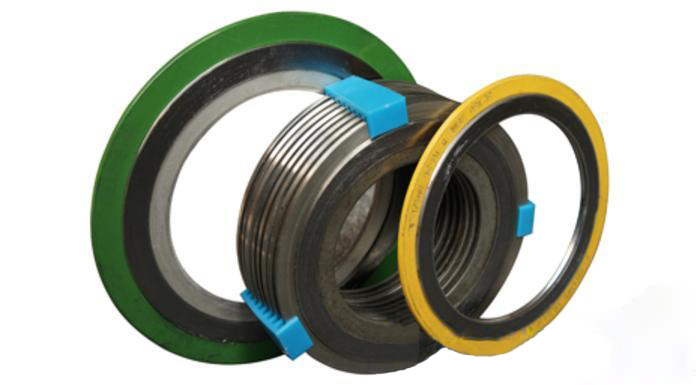
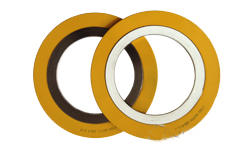
- View as
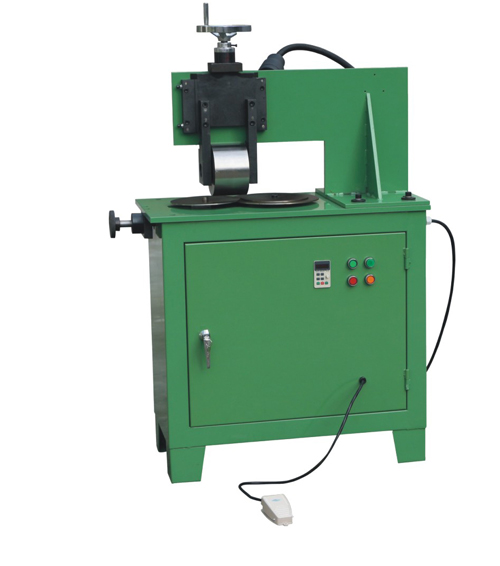
Eyelets Wrapping Machine
The Eyelets Wrapping Machine by Kaxite Sealing is a high-precision tool designed for efficient eyelet sealing and wrapping in packaging and manufacturing. With its durable construction and advanced technology, it ensures reliable, smooth operation for businesses seeking to enhance production quality. Ideal for industrial workshops, it delivers professional-grade results, saving time and reducing errors. Experience the difference with Kaxite Sealing's innovative design—upgrade your equipment today for superior performance and lasting value.
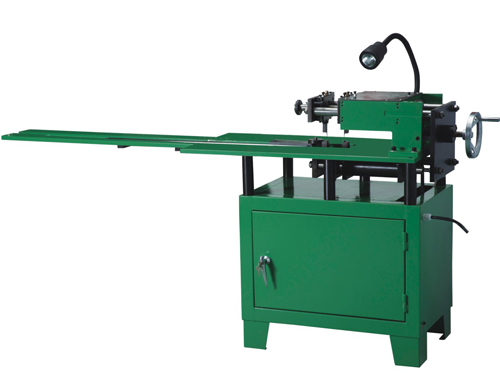
Double Knives Cutting Machine
Kaxite Sealing presents the Double Knives Cutting Machine, a precision tool designed for effortless slicing and dicing tasks. Featuring durable stainless steel blades and an ergonomic design, it excels in kitchens, craft workshops, or any setting requiring precise cuts. Ideal for home chefs, DIY enthusiasts, and professionals, it transforms tedious cutting into a quick, satisfying experience. Unlike single-blade options, its dual-knife system offers unmatched efficiency and consistency, saving you time and effort. Elevate your cutting game with this reliable, user-friendly solution—experience the difference today!