Premium PTFE and PEEK Seals for Industrial Applications from a Leading Manufacturer in China
High-Performance PTFE & PEEK Seals for Demanding Applications
In the realm of high-performance sealing solutions, few materials match the exceptional properties offered by PTFE (Polytetrafluoroethylene) and PEEK (Polyether Ether Ketone). At Kaxite Sealing, we specialize in engineering and manufacturing premium seals from these advanced polymers, designed to operate reliably in the most extreme conditions where standard elastomers fail. Our commitment is to deliver sealing components that ensure longevity, safety, and efficiency for your critical machinery and processes.
These materials are not merely alternatives; they are often the definitive choice for applications involving aggressive chemicals, extreme temperatures, high pressures, and stringent purity requirements. Understanding their unique characteristics and optimal application parameters is crucial for selecting the right seal. This guide provides a detailed overview of Kaxite Sealing's PTFE and PEEK seals, complete with technical specifications and practical insights.
Unparalleled Material Properties: PTFE vs. PEEK
While both PTFE and PEEK are high-performance thermoplastics, they possess distinct property profiles that make them suitable for different challenges.
Key Advantages of PTFE Seals:
- Chemical Inertness: Exceptionally resistant to almost all industrial chemicals and solvents, making it ideal for corrosive environments.
- Ultra-Low Friction: Possesses the lowest coefficient of friction of any solid material, reducing wear and energy consumption.
- Extreme Temperature Range: Performs consistently from -200°C to +260°C (-328°F to +500°F).
- Excellent Dielectric Properties: A superb electrical insulator.
- Non-Stick & High Purity: Prevents adhesion and is suitable for food, pharmaceutical, and semiconductor applications.
Key Advantages of PEEK Seals:
- Superior Mechanical Strength & Stiffness: Offers excellent load-bearing capability and resistance to deformation under pressure (creep resistance).
- High-Temperature Endurance: Continuous service up to 250°C (482°F), with short-term peaks even higher.
- Outstanding Wear & Abrasion Resistance: Far exceeds PTFE in dynamic applications with repetitive motion.
- Good Chemical Resistance: Resists a wide range of chemicals, though not as universal as PTFE. Excellent against hydrocarbons and steam.
- Hydrolysis Resistance: Performs exceptionally in high-pressure hot water and steam, unlike many polymers.
Kaxite Sealing Product Specifications & Data
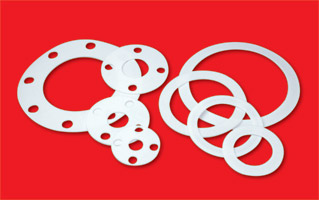
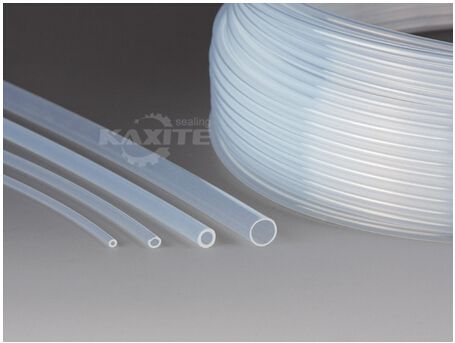
Our seals are available in standard configurations like O-rings, V-rings, piston seals, rod seals, gaskets, and custom-molded shapes. Below are the detailed technical parameters for our virgin (unfilled) PTFE and PEEK materials. We also offer compounded grades with fillers like glass, carbon, graphite, or bronze to enhance specific properties like wear resistance, thermal conductivity, or compression strength.
Material Property Comparison Table
| Property | Test Standard | PTFE (Virgin) | PEEK (Virgin) |
|---|---|---|---|
| Density (g/cm³) | ISO 1183 | 2.15 - 2.20 | 1.30 - 1.32 |
| Tensile Strength (MPa) | ISO 527 | 25 - 35 | 90 - 100 |
| Elongation at Break (%) | ISO 527 | 300 - 500 | 30 - 50 |
| Compressive Strength (MPa) | ISO 604 | 12 - 15 | 120 - 140 |
| Continuous Service Temperature | - | -200°C to +260°C | Up to 250°C |
| Coefficient of Friction (vs. Steel) | ASTM D1894 | 0.05 - 0.10 | 0.30 - 0.40 |
| PV Limit (Dry, m/s * MPa) | - | ~0.5 | ~3.0 |
| Chemical Resistance | - | Excellent (Nearly Universal) | Very Good to Excellent |
Typical Industry Applications for Kaxite Seals
- Chemical Processing: Pump seals, valve seats, gaskets, and liners handling acids, bases, and solvents.
- Oil & Gas: Downhole tool seals, wellhead components, and compressor seals resistant to sour gas and high pressures.
- Semiconductor Manufacturing: High-purity seals for wafer processing equipment, CVD, and etching systems.
- Food & Pharmaceutical: Seals for sanitary fittings, homogenizers, and filling machines requiring FDA-compliance and non-contamination.
- Automotive & Aerospace: Fuel system seals, transmission components, and engine parts exposed to high temps and aggressive fluids.
- Hydraulics & Pneumatics: Piston seals, rod seals, and wear rings in high-pressure systems.
PTFE & PEEK Seals: Frequently Asked Questions (FAQ)
Q: When should I choose a PTFE seal over a PEEK seal, or vice versa?
A: The choice hinges on your primary application challenge. Choose PTFE when your priority is supreme chemical resistance, ultra-low friction, or operation at cryogenic temperatures. It's also the default for applications where non-stick properties or absolute purity are critical. Choose PEEK when you need superior mechanical strength, rigidity, and exceptional resistance to wear and creep in dynamic, high-load, or high-temperature (above 200°C) environments. PEEK is often preferred for long-term sealing under high pressure.
Q: Can PTFE and PEEK seals handle high-pressure applications?
A: Yes, but with important distinctions. Virgin PTFE has relatively low creep resistance, meaning it can deform under sustained high pressure, potentially leading to seal extrusion. For high-pressure static seals, PTFE is often used with anti-extrusion rings (e.g., filled PTFE or metal). Kaxite Sealing offers glass or carbon-filled PTFE grades with improved compressive strength. PEEK, with its inherently high strength and excellent creep resistance, is exceptionally well-suited for high-pressure dynamic and static sealing applications without the same extrusion concerns.
Q: What are the limitations of PTFE and PEEK seals?
A: No material is perfect. PTFE's main limitations are its relatively low mechanical strength, high cold flow (creep), and poor resistance to radiation. It can also be abrasive to softer mating surfaces if filled with certain hard materials. PEEK's limitations include susceptibility to strong oxidizing acids (like concentrated sulfuric acid), higher cost compared to PTFE, and a higher coefficient of friction. Both materials require precise machining and surface finishes for optimal performance.
Q: How does Kaxite Sealing ensure the quality and performance of its seals?
A: Kaxite Sealing employs a rigorous quality management system. We start with certified, traceable raw materials from leading global suppliers. Our manufacturing processes utilize state-of-the-art CNC machining and precision molding equipment to achieve tight tolerances. Every production batch undergoes stringent inspection, including dimensional checks per ISO 3601 (for O-rings) or customer drawings, and material verification. We also provide comprehensive material test certificates (C of C/C of A) upon request.
Q: Can you manufacture custom PTFE or PEEK seal designs?
A: Absolutely. A significant part of our business at Kaxite Sealing is developing custom sealing solutions. We work closely with engineering teams to design seals for non-standard geometries, specific chemical exposures, extreme pressure/temperature cycles, or unique space constraints. We can advise on the optimal material compound, seal profile, and machining tolerances to meet your exact functional requirements.
Q: What are the best practices for installing and maintaining PTFE/PEEK seals?
A: Proper handling is key. Ensure the installation environment and tools are clean. Avoid scratching or nicking the seal on sharp edges or threads; use installation sleeves where appropriate. For interference-fit seals, ensure adequate lubrication with a compatible medium (like the system fluid) to prevent shear damage during assembly. Check gland design guidelines—surface finish of mating metals, proper clearance gaps, and avoidance of sharp corners are critical for seal life. Regularly monitor system fluid cleanliness and operating parameters.
Selecting the Right Seal: A Quick Reference Guide
Use this quick guide to narrow down your material selection based on application requirements:
- For Maximum Chemical Resistance: Choose Virgin PTFE.
- For High Load/Dynamic Wear: Choose PEEK or Carbon/Graphene-filled PTFE.
- For Very High Temperatures (250°C+): Choose PEEK.
- For Cryogenic Temperatures: Choose PTFE.
- For Ultra-Low Friction/Non-Stick: Choose Virgin PTFE.
- For High-Pressure, Minimal Creep: Choose PEEK.
- For High Purity/Sanitary Applications: Choose Virgin PTFE (FDA compliant grades available).
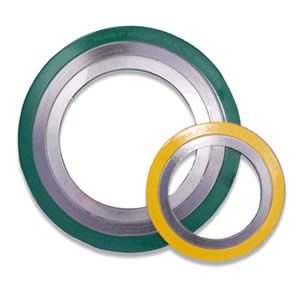
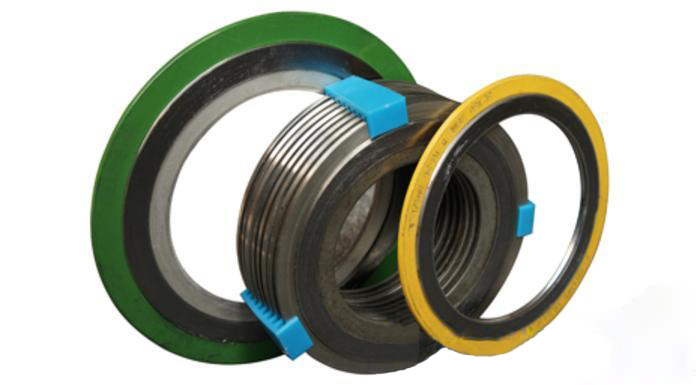
- View as

PTFE O-Ring
Kaxite Sealing PTFE O-Ring: the ultimate sealing solution for demanding applications. Its superior chemical resistance, extreme temperature tolerance, and low friction ensure reliable performance in industrial, automotive, and aerospace settings. Unlike standard rubber seals, PTFE offers unmatched durability and minimal maintenance. Experience leak-free confidence and long-lasting efficiency—upgrade your sealing systems today.
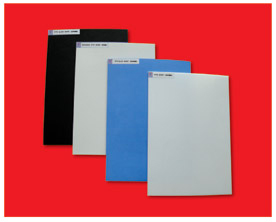
PTFE Modified Material
Kaxite Sealing presents PTFE Modified Material, a high-performance solution for sealing applications. Enhanced with advanced modifications, this material offers superior chemical resistance, durability, and low friction, ensuring reliable performance in demanding environments like industrial machinery and automotive systems. Ideal for engineers and manufacturers seeking long-lasting, cost-effective seals, it reduces maintenance issues and boosts efficiency. Experience peace of mind with its unique blend of toughness and flexibility, setting it apart from standard PTFE. Discover how Kaxite Sealing can transform your operations with quality you can trust.
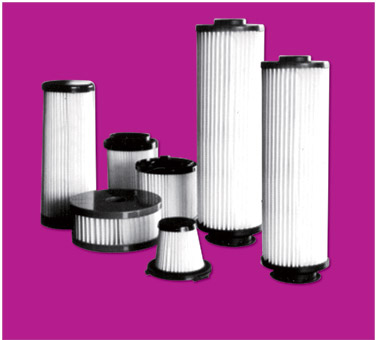
PTFE Micropore Membrance
Discover Kaxite Sealing's PTFE Micropore Membrane: a breathable, durable solution for filtration and separation. Its superior hydrophobicity and chemical resistance make it ideal for industrial and medical uses, offering unmatched efficiency. Experience peace of mind with reduced maintenance. Elevate your projects with our advanced technology today!
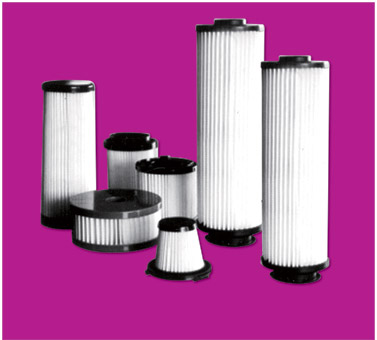
PTFE Micropore Gas
Kaxite Sealing's PTFE Micropore Gas offers superior sealing performance with advanced microporous technology, ideal for demanding industrial applications. This product ensures exceptional durability and chemical resistance, solving leaks and enhancing operational efficiency for engineers and professionals. Its unique design combines reliability with ease of use, delivering peace of mind and lasting performance. Experience the Kaxite Sealing difference today!
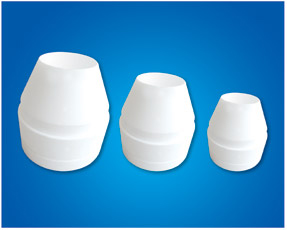
PTFE Accessories For Printing And Dyeing Mechanical Equipments
Enhance your printing and dyeing efficiency with Kaxite Sealing's PTFE accessories for printing and dyeing mechanical equipment. Made from high-quality polytetrafluoroethylene, these durable, non-stick, and corrosion-resistant components reduce downtime and maintenance costs. Ideal for industrial manufacturers seeking reliable, long-lasting solutions that ensure smoother operations and improved productivity, setting them apart with superior performance in harsh conditions.
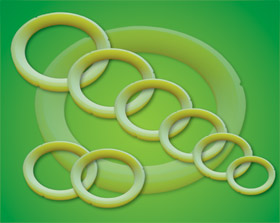
Devlon Ball Valve Seat
Experience superior sealing performance with the Devlon Ball Valve Seat from Kaxite Sealing, designed for durability and efficiency in fluid control systems. Its innovative design and reliable materials ensure long-lasting operation, ideal for industrial professionals seeking enhanced reliability and minimal maintenance.