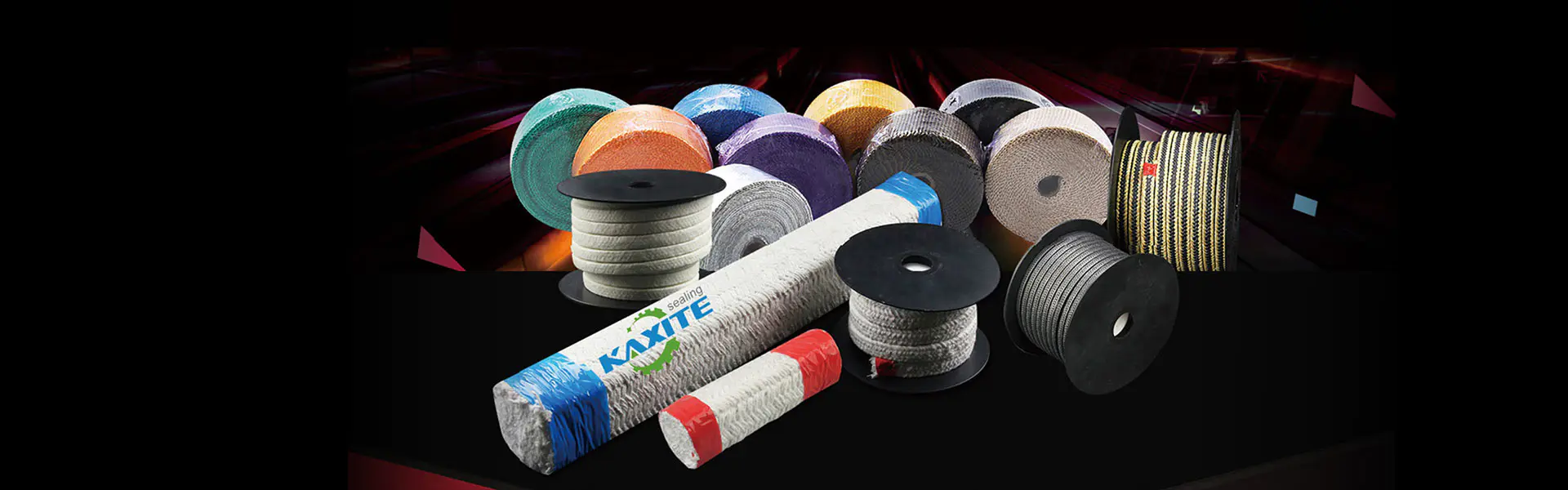
Factory in China specializing in durable braided packing seals for industrial applications
What is Braided Packing?
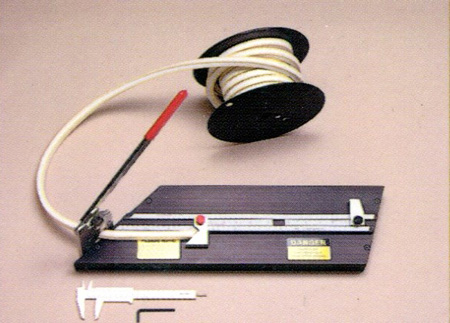
Braided packing is a fundamental sealing solution used to control leakage around rotating or reciprocating shafts in pumps, valves, mixers, and other industrial equipment. Also known as gland packing or shaft packing, it consists of braided strands of sealing material—such as graphite, PTFE, aramid, or fiberglass—lubricated and sometimes reinforced with corrosion-resistant wire. Its primary function is to create a dynamic seal that can be adjusted via a gland follower to compensate for wear, making it a versatile and maintainable choice for numerous fluid handling applications. At Kaxite Sealing, we engineer our braided packings to deliver exceptional performance, longevity, and reliability under the most demanding conditions.
Key Advantages of Kaxite Braided Packing
- Superior Leakage Control: Provides an adjustable, effective seal to minimize product loss and environmental contamination.
- Excellent Thermal & Chemical Resistance: Formulated from advanced materials to withstand extreme temperatures and aggressive media.
- Reduced Shaft Wear: Proprietary lubrication and soft braiding techniques protect equipment surfaces, extending service life.
- Versatility: Available in a wide range of material compositions to suit specific pressure, speed, and fluid compatibility requirements.
- Easy Installation & Maintenance: Simple to install and adjust in the field, minimizing downtime and operational costs.
- Cost-Effectiveness: Offers a reliable sealing solution often at a lower initial and total cost of ownership compared to mechanical seals in suitable applications.
Technical Specifications & Product Data
Selecting the correct braided packing requires careful consideration of operational parameters. Below are the detailed specifications for our core Kaxite Sealing product lines.
Material Composition & Properties
| Product Series | Primary Materials | Temperature Range (°C) | pH Range | Max. Shaft Speed (m/s) | Pressure (Bar) | Key Applications |
|---|---|---|---|---|---|---|
| KX-GraphiteFlex | Reinforced Graphite Filament, Inconel Wire | -200 to +600 | 0-14 | 25 | 200 | Boiler Feed Pumps, High-Temp Valves, Autoclaves |
| KX-PTFE Pro | Virgin PTFE Filament, PTFE Lubricant | -260 to +260 | 0-14 | 15 | 120 | Chemical Pumps, Food & Beverage, Pharmaceutical, Water Treatment |
| KX-AramidShield | Aramid Fiber, Corrosion Inhibitors, Food-Grade Lubricant | -100 to +300 | 2-12 | 20 | 150 | Paper Stock, Mild Chemicals, Hot Water, Marine Applications |
| KX-GlassFiber Plus | E-Glass Fiber, PTFE Impregnation | -100 to +280 | 0-10 | 18 | 100 | Hot Oils, Solvents, Moderate Acids and Alkalis |
Standard Sizing & Packaging
- Cross-Sectional Shapes: Square, Round.
- Standard Sizes (Square): 3mm, 4mm, 5mm, 6mm, 8mm, 10mm, 12mm, 14mm, 16mm, 19mm.
- Standard Sizes (Round): 3mm, 5mm, 6mm, 8mm, 10mm, 12mm, 14mm.
- Spool Length: Standard 50 feet (15.24 meters) or 100 feet (30.48 meters) continuous length. Custom lengths available.
- Packaging: Coiled in protective plastic, labeled with material, size, and batch code.
Frequently Asked Questions (FAQ)
Selection & Application
Q: How do I choose the right braided packing material for my application?
A: Selection is based on the "STAMPS" parameters: Shaft Size/Speed, Temperature, Application (equipment type), Media (chemical compatibility), Pressure, and Shaft Condition. Match the fluid's pH and chemical nature with the packing material's resistance. High-temperature applications lean towards graphite, while aggressive chemicals often require PTFE or specialized fibers. Kaxite Sealing provides detailed chemical compatibility charts and technical support to guide your choice.
Q: Can braided packing be used for abrasive slurries?
A: Yes, but material selection is critical. Standard braids can deteriorate quickly. For abrasive services, Kaxite Sealing recommends our KX-GraphiteFlex series with Inconel wire reinforcement or specially hardened AramidShield variants. These incorporate wear-resistant elements and lubricants that form a protective layer, significantly extending life in slurry pumps and mixers.
Q: What is the difference between braided packing and mechanical seals?
A: Braided packing is a sacrificial, adjustable seal consisting of rings of material compressed in a stuffing box. It allows minimal, controlled leakage for lubrication and cooling. Mechanical seals are precision-engineered face seals that provide a near-leak-free seal. Packing is often preferred for its simplicity, adjustability, cost-effectiveness on large shafts, and tolerance to some shaft runout. Mechanical seals excel in demanding, leak-sensitive, or high-speed/low-friction applications.
Installation & Maintenance
Q: What is the proper procedure for installing braided packing?
A: Correct installation is vital for performance. Clean the stuffing box and shaft thoroughly. Cut packing rings using a mandrel or by wrapping around the shaft—cuts must be clean and at a 45-degree angle. Stagger the joint positions by 90 degrees for each ring. Insert rings one at a time, using a tamping tool to seat them firmly. For most applications, install 3-6 rings. Tighten the gland nut finger-tight only for initial startup, then adjust after a brief run-in period to achieve a slight weeping leak for cooling.
Q: How often should braided packing be tightened or replaced?
A: Initial tightening is required after the first 2-4 hours of operation as the packing beds in. Subsequent adjustments are minimal if the packing was properly installed. Monitor leakage and temperature. If leakage increases uncontrollably despite adjustment or shaft temperature rises excessively, repacking is needed. Service life varies from months to years based on operating conditions, but Kaxite Sealing products are engineered for maximum longevity to reduce maintenance frequency.
Q: Why is a breakout or run-in period necessary for new packing?
A: The run-in period allows the packing to conform to the shaft and stuffing box surfaces, and for the internal lubricants to distribute evenly. Running the packing slightly loose initially generates heat that softens and molds the material. After 30 minutes to 2 hours, the gland is gradually tightened to the final setting. This process ensures optimal seal formation, minimizes initial friction, and extends the packing's effective life.
Performance & Troubleshooting
Q: The packing is leaking excessively immediately after installation. What could be wrong?
A> Common causes include: incorrect sizing (too small a cross-section), insufficient number of rings installed, improperly cut or staggered joints, damaged shaft or stuffing box surfaces, or the use of packing material incompatible with the fluid (causing swelling or shrinkage). Verify all installation steps and ensure the material is chemically suitable for the application.
Q: The shaft or packing is overheating. What are the likely causes?
A> Overheating indicates excessive friction, often due to over-tightening of the gland, insufficient lubrication within the packing material, running dry (no fluid for lubrication/cooling), or a packing material unsuited for the operational speed. Loosen the gland slightly to allow more cooling leakage, ensure the pump is primed, and verify that the selected Kaxite packing grade is rated for your shaft speed and temperature.
Q: Can braided packing be used in potable water applications?
A> Absolutely. For potable water, it is imperative to use packing certified for such use. Kaxite Sealing's KX-PTFE Pro series is manufactured from 100% virgin PTFE materials and is compliant with FDA and NSF/ANSI 61 standards, making it an ideal, safe, and durable choice for seals in water treatment plants and food processing facilities.
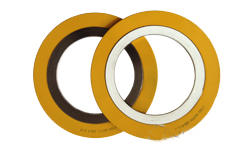
- View as

Back Injectable Sealant
Introducing Kaxite Sealing's Back Injectable Sealant: a revolutionary solution for durable, seamless repairs. With advanced technology, it ensures superior adhesion and long-lasting protection, ideal for DIY enthusiasts and professionals tackling cracks or leaks in various materials. Experience peace of mind and enhanced reliability—this sealant stands out for its precision application and unmatched performance. Choose Kaxite Sealing for quality you can trust.

Yellow Injectable Sealant
Kaxite Sealing's Yellow Injectable Sealant: a premium solution for reliable waterproofing and sealing. Its vibrant color ensures precise application, offering superior durability and quick-setting action. Ideal for DIY enthusiasts and professionals tackling leaks in homes or industrial settings. Feel confident and secure with a product that outlasts competitors through advanced adhesive technology—transform your spaces with lasting protection today!

White Injectable Sealant
Kaxite Sealing's White Injectable Sealant is a premium sealing solution designed for precise, durable repairs in home and industrial settings. Its advanced formula offers superior adhesion, quick curing, and a clean white finish, ideal for professionals and DIY enthusiasts tackling leaks and cracks in plumbing, tiles, or masonry. Experience lasting peace of mind with a product that stands out for its ease of use and reliable performance—transform your projects with confidence today.
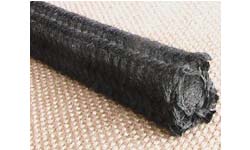
Ramie Packing with Graphite
Discover Kaxite Sealing's Ramie Packing with Graphite, a durable sealing solution ideal for industrial applications. Its blend of ramie fibers and graphite offers superior performance, reducing maintenance and downtime. Perfect for engineers and maintenance teams, it ensures reliable sealing in demanding environments, boosting efficiency and confidence. Stand out with our high-quality materials and trusted brand.
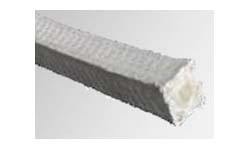
Ramie Fiber Packing
Kaxite Sealing's Ramie Fiber Packing offers superior sealing for industrial and mechanical applications. Made from eco-friendly ramie fiber, it ensures durability, heat resistance, and leak prevention, making it ideal for engineers and facility managers in demanding environments. Its unique natural composition outperforms synthetic alternatives, delivering reliable performance and peace of mind. Elevate your operations with this trusted solution—experience unmatched quality today.
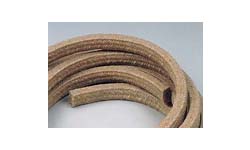
Flax Packing with Grease
Kaxite Sealing's Flax Packing with Grease offers durable, eco-friendly sealing for industrial applications. Made from premium flax fibers and enhanced grease, it ensures superior leak prevention and long-lasting performance. Ideal for mechanics, engineers, and manufacturers in demanding environments, this product reduces downtime and enhances operational efficiency. Experience reliable protection and peace of mind with its unique, easy-to-apply design. Choose Kaxite Sealing for quality that stands out.