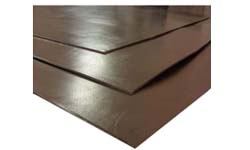
PTFE Sheet China Manufacturer with Customizable Solutions and Bulk Supply Options
PTFE Sheet: The Ultimate High-Performance Engineering Material
For decades, engineers and designers across countless industries have sought a material that offers unparalleled chemical resistance, extreme temperature stability, and a near-frictionless surface. The answer has consistently been Polytetrafluoroethylene, commonly known as PTFE. At Kaxite Sealing, we specialize in manufacturing premium-grade PTFE sheets that meet the most demanding specifications. Our material is not just a component; it's a critical solution for sealing, insulating, lining, and sliding applications where failure is not an option. This guide delves into the properties, specifications, and applications of our PTFE sheets, providing the technical detail necessary for your project's success.
Unmatched Material Properties of Kaxite Sealing PTFE Sheets
The exceptional performance of PTFE stems from its unique molecular structure, featuring strong carbon-fluorine bonds. This structure grants it a combination of properties rarely found in any other single material. Kaxite Sealing leverages advanced processing techniques to ensure these inherent properties are optimized in every sheet we produce.
- Extreme Chemical Resistance: Inert to virtually all industrial chemicals and solvents, including strong acids, bases, and oxidizing agents. It is unaffected by moisture and will not degrade or swell.
- Exceptional Temperature Range: Performs consistently from -200°C (-328°F) to +260°C (+500°F) continuously, with short-term tolerance up to 300°C (572°F).
- Low Coefficient of Friction: Possesses the lowest coefficient of friction of any known solid material, making it an ideal bearing or slide surface without the need for lubrication.
- Excellent Dielectric Properties: A superb electrical insulator across a wide frequency and temperature range, with high arc resistance.
- Non-Stick & Anti-Adhesive: Virtually nothing sticks to a PTFE surface, preventing material build-up and ensuring easy cleanability.
- Weather & UV Resistance: Completely unaffected by weathering, sunlight (UV), and ozone, ensuring long-term outdoor performance.
- FDA Compliance & Biocompatibility: Many of our PTFE sheet grades are compliant with FDA regulations for food contact and are suitable for pharmaceutical and medical applications.
Kaxite Sealing PTFE Sheet: Detailed Product Specifications
Our PTFE sheets are available in various formulations—Virgin, Glass Filled, Carbon Filled, Bronze Filled, and Stainless Steel Filled—to tailor properties like creep resistance, wear, and thermal conductivity. Below are the standard specifications for our Virgin PTFE sheet, the baseline for all our engineered compounds.
| Property | Test Method | Typical Value (Virgin PTFE) | Unit |
|---|---|---|---|
| Density | ASTM D792 | 2.15 - 2.20 | g/cm³ |
| Tensile Strength | ASTM D638 | 25 - 35 | MPa |
| Elongation at Break | ASTM D638 | 300 - 500 | % |
| Compressive Strength | ASTM D695 | 12 | MPa |
| Coefficient of Friction (Dynamic) | ASTM D1894 | 0.04 - 0.10 | - |
| Continuous Service Temperature | - | -200 to +260 | °C |
| Melting Point | ASTM D4591 | 327 | °C |
| Thermal Conductivity | ASTM C177 | 0.25 | W/m·K |
| Dielectric Strength | ASTM D149 | 60 | kV/mm |
| Water Absorption | ASTM D570 | < 0.01 | % |
Standard Available Forms & Sizes from Kaxite Sealing
- Sheet Thickness: 0.5mm, 1mm, 1.5mm, 2mm, 3mm, 5mm, 6mm, 10mm, up to 50mm and custom thicknesses.
- Sheet Dimensions: Standard sheets of 1000mm x 1000mm, 1200mm x 1200mm, and 1500mm x 1500mm. Custom cutting to required length and width is available.
- Colors: Virgin (white), natural beige, black (for carbon/graphite filled), and other colors upon request.
- Surface Finish: Standard skived finish, polished, or as-sintered surfaces available.
Frequently Asked Questions (FAQ) About PTFE Sheets
What is the main difference between Virgin PTFE and filled PTFE compounds?
Virgin PTFE offers the purest form of the material with the best chemical resistance and dielectric properties. Filled PTFE compounds (e.g., with glass, carbon, bronze) are engineered to improve certain characteristics of Virgin PTFE. For instance, fillers dramatically reduce creep (cold flow), increase hardness and wear resistance, enhance thermal conductivity, and improve dimensional stability. The choice depends on the application's priority: chemical purity or enhanced mechanical performance.
How do I cut and machine a PTFE sheet?
PTFE is a soft, ductile material that is easily machined with standard workshop tools. It can be cleanly cut with sharp blades, saws, or shears. For machining (turning, milling, drilling), use sharp, high-speed steel or carbide tools with high rake angles. Maintain moderate speeds and feeds to avoid generating excessive heat, which can cause the material to deform. Always ensure proper tool sharpness to achieve a smooth, non-fibrous finish. Kaxite Sealing also offers precision custom machining services to your exact drawings.
Can PTFE sheets be used for gaskets in high-pressure applications?
While PTFE has excellent chemical resistance for gaskets, pure Virgin PTFE is prone to "cold flow" or creep under sustained high pressure and load. This can lead to a loss of sealing force over time. For static seal gaskets in high-pressure flange connections, a filled PTFE compound (like glass-filled) from Kaxite Sealing is strongly recommended. For extreme pressures, a PTFE envelope gasket with a resilient core or a Kammprofile gasket with a PTFE sealing layer is often a more robust solution.
Is PTFE safe for use in food processing or medical devices?
Yes, Virgin PTFE is biologically inert and is compliant with FDA regulations 21 CFR 177.1550 for articles intended for repeated use in contact with food. It is also USP Class VI approved, making it suitable for many pharmaceutical and medical applications. It is crucial to specify FDA-compliant Virgin PTFE from a certified manufacturer like Kaxite Sealing for these sensitive applications and to ensure no regrind or non-compliant fillers are used.
What are the limitations of PTFE that I should be aware of?
Despite its strengths, PTFE has limitations: 1) Creep Resistance: It can deform under continuous heavy load (mitigated by using filled grades). 2) Poor Wear Resistance: Virgin PTFE has relatively high wear rates in sliding applications (improved with carbon or bronze fillers). 3) Low Thermal Conductivity: It is a thermal insulator. 4) Permeability: It can be permeable to some gases and liquids over time. 5) Radiation Resistance: It has poor resistance to high levels of gamma radiation. Understanding these limits is key to successful application design.
How do I clean and maintain PTFE sheet components?
Cleaning is straightforward due to the non-stick property. Most contaminants can be wiped away. For thorough cleaning, use warm water with a mild detergent. For stubborn residues, solvents like acetone or isopropyl alcohol can be used without damaging the PTFE. Avoid abrasive pads or scouring powders that could scratch the surface. PTFE requires no special maintenance as it does not corrode or degrade under normal conditions.
Core Industrial Applications of Kaxite Sealing PTFE Sheets
The versatility of PTFE sheet material makes it indispensable in numerous sectors. At Kaxite Sealing, we supply PTFE sheets that form the backbone of critical processes in these industries:
- Chemical Processing: Lining for tanks, vessels, and troughs; gaskets, seals, and spacer rings for pumps, valves, and flanges handling corrosive fluids.
- Pharmaceutical & Food: Non-stick surfaces for conveyor belts, guide rails, and work surfaces; seals and diaphragms in processing equipment requiring high purity.
- Electrical & Electronics: Insulating spacers, coil bobbins, circuit board fixtures, and high-frequency antenna components due to its excellent dielectric properties.
- Aerospace & Automotive: Seals, bushings, and wear pads in fuel systems, airframes, and engines where wide temperature swings and chemical resistance are critical.
- Industrial Machinery: Low-friction bearing pads, slide plates, thrust washers, and piston rings to reduce wear and enable smooth movement without lubrication.
- Plastics & Packaging: Non-stick release sheets for laminating presses, heat sealing jaws, and mold liners to prevent adhesive or melt build-up.
- View as
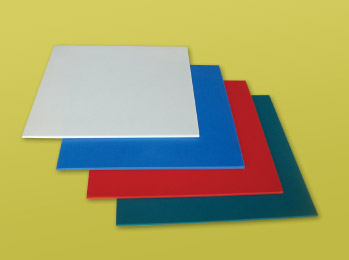
PTFE Resin Moded Sheet
Kaxite Sealing's PTFE Resin Molded Sheet offers superior durability and chemical resistance, ideal for sealing applications in harsh industrial environments. Its unique formulation ensures reliable performance, reducing maintenance costs and boosting efficiency, making it a smart choice for engineers seeking long-lasting solutions.
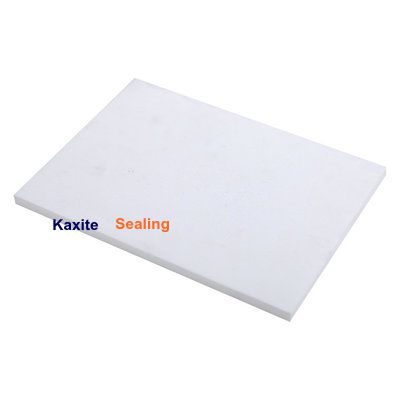
Molded PTFE Sheet Gaskets
Discover Kaxite Sealing's Molded PTFE Sheet Gaskets: engineered for superior sealing in harsh environments. Made from durable PTFE, they resist chemicals and extreme temperatures, perfect for industrial and chemical applications. Enjoy reliable performance, reduce downtime, and feel confident in every connection. Choose Kaxite for precision and quality you can trust.
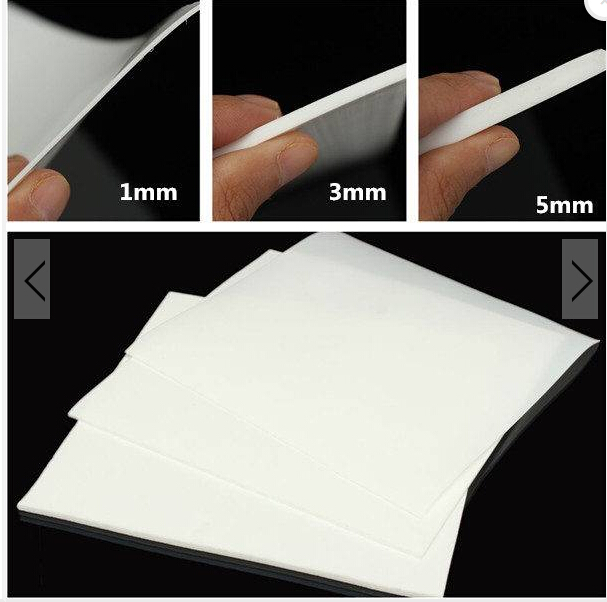
PTFE Skived Sheet
Discover Kaxite Sealing's PTFE Skived Sheet — an ultra-thin, high-performance material engineered for exceptional chemical resistance, low friction, and durability. Ideal for industrial seals, gaskets, and linings, this sheet excels in harsh environments, ensuring reliable operation and long-term efficiency. Tailored for engineers and manufacturers, it delivers peace of mind by solving leakage and wear issues. Experience unmatched quality with a commitment to precision and consistency. Elevate your projects with Kaxite Sealing — where innovation meets reliability.
Modified PTFE Sheet
Kaxite Sealing's Modified PTFE Sheet is a durable, versatile material engineered for high-performance sealing in demanding industrial applications. Its exceptional chemical resistance, low friction, and temperature tolerance make it ideal for engineers and manufacturers in chemical processing, automotive, and aerospace industries, providing reliable solutions that enhance safety and efficiency, setting it apart with superior customization options. Upgrade your operations today!
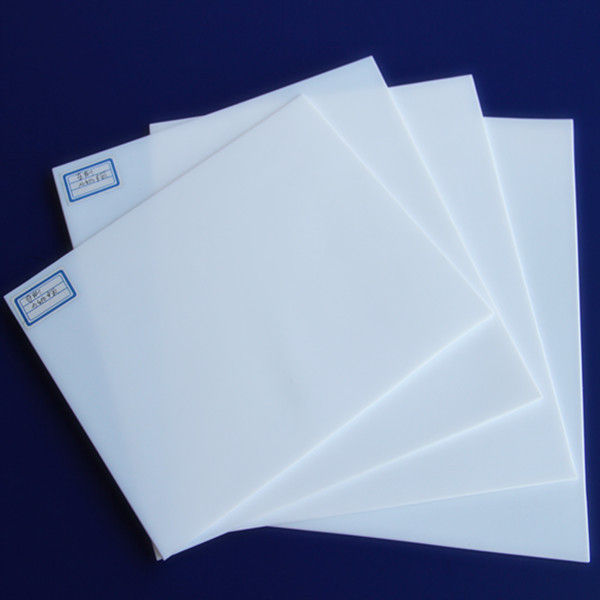
Pure PTFE Sheet
Discover Kaxite Sealing's Pure PTFE Sheet, crafted from pure polytetrafluoroethylene for exceptional chemical resistance and high-temperature stability, ideal for demanding industrial sealing and insulation applications. Its non-stick surface enhances durability and reliability, empowering engineers and manufacturers to achieve consistent performance in harsh environments. With superior quality and competitive pricing, this sheet ensures peace of mind—upgrade your projects with Kaxite Sealing today.
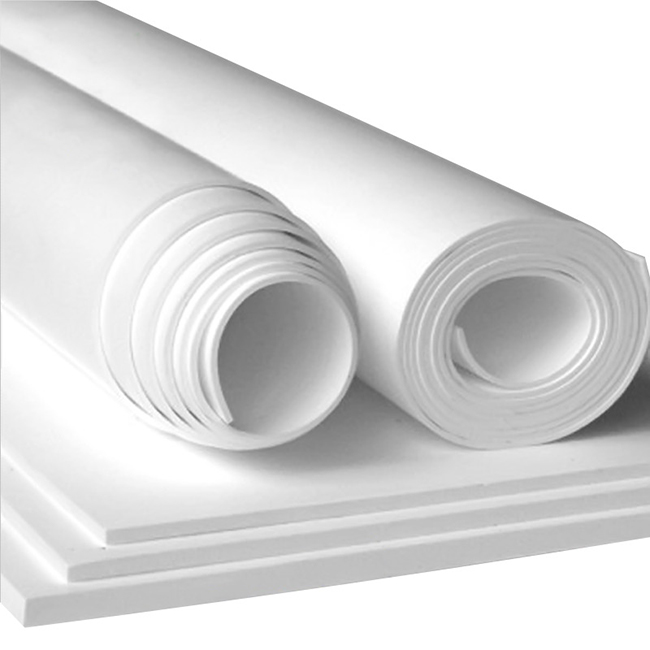
Expanded PTFE Sheet
Discover Kaxite Sealing's Expanded PTFE Sheet: a high-performance sealing solution with superior chemical resistance and durability. Ideal for industrial and commercial applications, it ensures leak-free operations, enhancing efficiency and safety. Experience unmatched quality and reliability—upgrade your sealing needs today with Kaxite Sealing!