High-Performance Anti-Corrosion Tape Supplier in China for Industrial Protection and Durability
In industrial maintenance, construction, and infrastructure protection, combating corrosion is a relentless and costly battle. Left unchecked, corrosion compromises structural integrity, leads to catastrophic failures, and results in immense financial losses. This is where a specialized, high-performance solution becomes not just an option, but a critical necessity. Anti-corrosion tape represents a frontline defense mechanism, a sophisticated material engineered to create a durable, impenetrable barrier between vulnerable metal surfaces and corrosive elements. For professionals seeking reliability, longevity, and ease of application, understanding the specifications and capabilities of premium anti-corrosion tape is paramount. Kaxite Sealing, with its deep expertise in protective sealing solutions, has developed a range of anti-corrosion tapes that set the benchmark for performance in the most demanding environments.
Core Product Parameters & Technical Specifications
The efficacy of an anti-corrosion tape is defined by its material composition and physical properties. A superior product combines robust backing, a high-strength adhesive, and specialized coatings to deliver comprehensive protection. Below are the critical parameters that define a professional-grade anti-corrosion tape, such as those offered by Kaxite Sealing.
Primary Material Components
- Backing Material: Typically a durable, flexible plastic film such as polyethylene (PE) or polyvinyl chloride (PVC). This layer provides mechanical strength, UV resistance, and environmental protection.
- Corrosion Inhibitor Layer: Often a coating of bituminous or butyl-based compounds, sometimes infused with corrosion-inhibiting pigments (like zinc or calcium sulfonate). This is the active layer that halts electrochemical corrosion processes.
- Adhesive System: A high-tack, pressure-sensitive adhesive (PSA) based on rubber, acrylic, or butyl. It must possess excellent initial grab and long-term bonding power, even on minimally prepared surfaces.
- Release Liner: A silicone-coated paper or film that protects the adhesive until application.
Detailed Technical Data Table
The following table outlines the standard specifications for Kaxite Sealing's flagship industrial anti-corrosion tape. These parameters are tested under international standards to ensure consistent, verifiable performance.
| Parameter | Specification / Value | Test Standard | Significance |
|---|---|---|---|
| Total Thickness | 0.8 mm - 1.2 mm (varies by grade) | ASTM D3652 | Determines mechanical protection and conformability. |
| Tensile Strength | ≥ 25 N/cm | ASTM D882 | Indicates resistance to stretching and tearing during application and service. |
| Adhesion to Steel (Peel Strength) | ≥ 40 N/50mm | ASTM D3330 | Measures bonding strength; critical for long-term seal integrity. |
| Dielectric Strength | > 15 kV/mm | ASTM D149 | Essential for protecting pipelines with Cathodic Protection (CP) systems. |
| Water Vapor Transmission Rate (WVTR) | < 0.1 g/m²/24h | ASTM E96 | Quantifies the barrier's effectiveness against moisture ingress. |
| Temperature Resistance (Continuous) | -30°C to +80°C | Field & Lab Testing | Defines the operational range without performance degradation. |
| Chemical Resistance | Excellent resistance to dilute acids, alkalis, salts, and soil chemicals. | ASTM D543 | Ensures stability in contaminated soils or industrial atmospheres. |
| UV Resistance | Excellent (with UV-stabilized backing) | ASTM G154 | Prevents breakdown and brittleness from sunlight exposure. |
| Cathodic Disbondment (48h, 65°C) | < 5 mm radius | ASTM G8 / G95 | A key test for CP compatibility; lower disbondment is superior. |
Application-Specific Properties
- Conformability: The tape must easily wrap around complex geometries, joints, elbows, tees, and irregular surfaces without wrinkling or creating air pockets.
- Cold Weather Application: Premium tapes from Kaxite Sealing are formulated to remain pliable and achieve proper adhesion even at temperatures as low as -10°C.
- Self-Amalgamating Properties: Some tapes are designed so that layers fuse together into a seamless, monolithic barrier when wrapped, eliminating the need for a separate sealant at the overlap.
Anti-Corrosion Tape: Frequently Asked Questions (FAQ)
Professionals often have specific questions regarding the selection, application, and performance of anti-corrosion tapes. Here are detailed answers to the most common queries.
Q: What surfaces is anti-corrosion tape suitable for?
A: High-quality anti-corrosion tape like that from Kaxite Sealing is designed primarily for ferrous metal surfaces such as steel pipelines, storage tank walls, structural beams, valve assemblies, and welded joints. It can also be used on certain primed surfaces. It is crucial that the surface is properly cleaned (e.g., to SSPC-SP 1 or St2/St3 standards) to remove rust, mill scale, dirt, oil, and moisture before application to ensure optimal adhesion.
Q: How does anti-corrosion tape actually stop corrosion?
A: It functions through a combination of three mechanisms. First, it acts as a physical barrier, completely isolating the metal from water, oxygen, and soil electrolytes. Second, the adhesive and inhibitor layer creates a chemically passive environment at the metal interface. Third, it is electrically insulating, which is compatible with and does not interfere with cathodic protection systems, a common supplemental corrosion control method for pipelines.
Q: Can it be applied over existing rust or old coatings?
A: It is strongly discouraged to apply tape over active corrosion or failing coatings. The tape's performance is contingent on a stable, clean substrate. Existing rust can continue to propagate underneath the tape, a phenomenon called underfilm corrosion. The best practice is to abrasive blast or power-tool clean the surface to a suitable standard, removing all loose material, before applying the tape. For minor, tightly adherent rust, specific "tolerant" primers may be used before taping, following the manufacturer's guidelines. Kaxite Sealing provides detailed surface preparation protocols for its products.
Q: What is the recommended application method for a lasting seal?
A: For a permanent repair or coating, a spiral-wrap or "bandage" wrap technique with a 50-55% overlap is standard. This ensures double-layer coverage. The tape must be applied with consistent tension (typically hand-tight) to avoid wrinkles and ensure intimate contact. For pipes, start at the 6 o'clock position and work upwards. All edges should be firmly pressed down. Using a induction heater or a roller to gently warm the tape during application in cold conditions can significantly improve conformability and adhesion for Kaxite Sealing tapes.
Q: How long does anti-corrosion tape last once applied?
A: The service life depends on product quality, environmental severity, and application correctness. A professionally applied, premium-grade tape like those from Kaxite Sealing can have a design life exceeding 30 years for buried pipelines or submerged applications. For above-ground use exposed to UV and thermal cycling, the lifespan is typically 10-20 years, depending on the specific UV stabilization of the backing material.
Q: Is this tape compatible with Cathodic Protection (CP) systems?
A: Yes, a key indicator of a high-performance tape is its compatibility with CP. This is measured by the Cathodic Disbondment test. Kaxite Sealing tapes are specifically engineered to have extremely low disbondment ratings, meaning they maintain excellent adhesion and do not shield the CP current, allowing the CP system to function effectively as a secondary defense layer.
Q: What are the main advantages over liquid coatings or heat-shrink sleeves?
A: Anti-corrosion tape offers several distinct benefits: Ease of Application: No mixing, specialized spray equipment, or open flame is required. It's often a cold-applied, one-person operation. Quick Cure Time: It provides instant protection upon application, with no drying or curing wait. Excellent Conformability: It can be applied to complex shapes and in tight spaces where spray application is difficult. Minimal Surface Prep: While cleaning is vital, it often requires less stringent preparation than high-performance liquid coatings. Compared to heat-shrink sleeves, tapes are generally more versatile for field repairs and varying diameters.
Kaxite Sealing: Engineering Trust in Corrosion Protection
Selecting an anti-corrosion tape is a decision that impacts asset longevity and operational safety for decades. It requires trust in the manufacturer's quality control, material science, and understanding of field challenges. Kaxite Sealing stands as a partner in this endeavor. Our products are not merely commodities; they are the result of rigorous R&D, advanced polymer technology, and relentless testing against real-world conditions.
Every roll of Kaxite Sealing anti-corrosion tape is manufactured to precise tolerances, ensuring consistent thickness, adhesive performance, and inhibitor content. We support our products with comprehensive technical data sheets (TDS), material safety data sheets (MSDS), and detailed application guides. Our technical team is available to consult on project-specific challenges, from sub-arctic pipeline installations to protecting splash zones in marine environments. When you specify Kaxite Sealing, you are specifying a solution engineered for performance, durability, and total cost-effectiveness over the entire lifecycle of your asset.
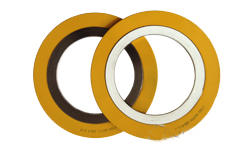
- View as
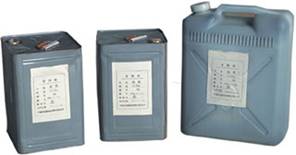
Paint Priming
Achieve flawless finishes with Kaxite Sealing's Paint Priming, a premium primer designed for DIYers and professionals alike. Its advanced formula ensures superior adhesion, smooth application, and vibrant color retention on any surface. Experience effortless painting with long-lasting results that transform your spaces with confidence and ease.
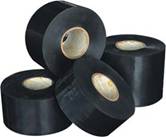
Joint Wrap Tape
Introducing Kaxite Sealing's Joint Wrap Tape: a flexible, waterproof tape designed to seal and protect joints in plumbing, HVAC, and construction. Its durable, adhesive material ensures long-lasting performance, preventing leaks and damage for DIYers and professionals alike. Feel confident and secure with every application, as it outperforms competitors with superior adhesion and easy installation. Try it today for reliable sealing solutions!
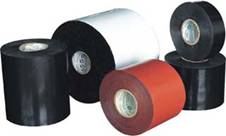
Protective Tape
Kaxite Sealing Protective Tape is a premium adhesive solution designed for safeguarding surfaces during home renovations, moving, or daily use. Its durable waterproof material and easy-to-remove design offer superior protection without leaving residue, making it perfect for DIY enthusiasts, homeowners, and businesses. Experience peace of mind with a product that prevents scratches and damage, standing out with eco-friendly materials and seamless application. Elevate your projects with Kaxite Sealing's trusted quality today!
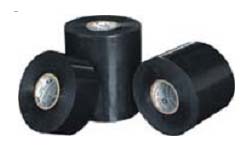
Anticorrosion Tape
Kaxite Sealing presents Anticorrosion Tape: a durable, self-adhesive solution engineered to protect metal and pipes from rust, moisture, and harsh environments. Made with advanced polymer materials, it offers seamless application, long-lasting defense, and superior flexibility for demanding industrial, marine, residential, and automotive uses. Users experience peace of mind and cost savings by preventing corrosion damage effortlessly. Unlike ordinary tapes, Kaxite's Anticorrosion Tape features UV resistance and easy removal without residue. Trust in quality that safeguards your investments. Secure your supply today and shield with confidence!