Find High-Quality Graphite PTFE Packing from a Leading Factory in China
Graphite PTFE Packing: The Ultimate Sealing Solution for Demanding Applications
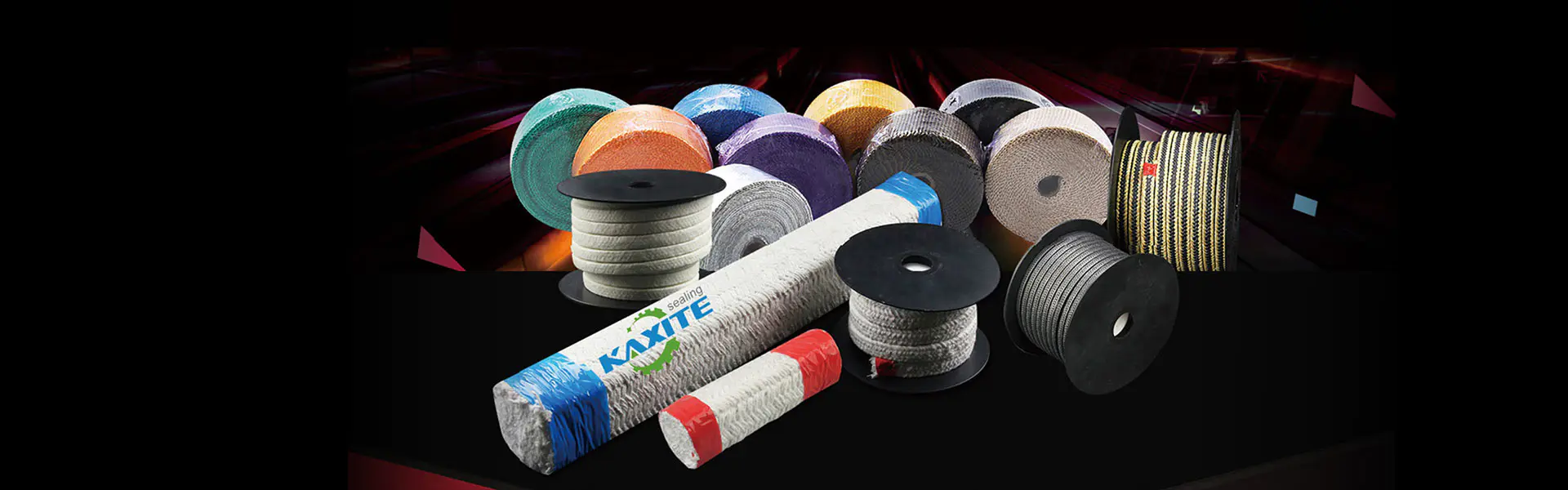
In the world of industrial sealing, where extremes of temperature, pressure, and chemical exposure are commonplace, finding a packing material that offers uncompromising performance and longevity is paramount. Graphite PTFE Packing stands at the pinnacle of this search. Engineered by Kaxite Sealing through decades of material science innovation, this advanced composite packing combines the unique strengths of expanded graphite and PTFE (Polytetrafluoroethylene) to create a sealing solution that outperforms traditional options. It is specifically designed to handle the most challenging conditions in valves, pumps, agitators, and mixers across industries such as chemical processing, pharmaceuticals, power generation, and food & beverage. Unlike conventional packings that may wear quickly or fail under thermal cycling, Graphite PTFE Packing maintains its integrity, ensuring reliable leak prevention, reduced maintenance downtime, and significant cost savings over its extended service life.
Unparalleled Product Parameters and Specifications
Kaxite Sealing's Graphite PTFE Packing is manufactured to exacting standards, with each parameter fine-tuned to deliver optimal sealing performance. Below are the detailed technical specifications that define our premium product.
Key Material Composition & Properties
- Base Materials: High-purity expanded graphite filaments reinforced with PTFE dispersion.
- Temperature Range: -200°C to +450°C (-328°F to +842°F) in oxidizing atmospheres; up to 3000°C (5432°F) in inert or reducing environments.
- pH Range: 0-14, offering exceptional resistance to virtually all acids, alkalis, and solvents.
- Thermal Conductivity: Excellent, allowing for efficient heat dissipation from the shaft or stem.
- Compression Recovery: High, ensuring the packing maintains seal under dynamic conditions and thermal cycling.
- Self-Lubrication: Inherently lubricious due to PTFE and graphite, minimizing friction and shaft wear.
- Density: Typically 1.1 - 1.5 g/cm³, adjustable based on braiding style and application.
Standard Specifications & Sizing
The following table outlines the standard available configurations for Kaxite Sealing Graphite PTFE Packing. Custom sizes and shapes are also available upon request.
| Style / Braid | Standard Square Size Range (inch/mm) | Standard Roll Length (ft/m) | Color | Pressure Rating (PSI/Bar) | Primary Application Suitability |
|---|---|---|---|---|---|
| Plaited Braid (Die-Molded) | 1/4" - 2" (6mm - 50mm) | 50 ft (15.2 m) | Black | Up to 2500 PSI (172 Bar) | General service valves, pumps, high-speed rotary equipment |
| Interbraided (Graphite Core) | 3/8" - 1.5" (10mm - 38mm) | 50 ft (15.2 m) or 100 ft (30.5 m) | Black/Grey | Up to 3000 PSI (207 Bar) | Severe service, high-pressure steam valves, chemical pumps |
| Twisted & Compressed | 1/8" - 1" (3mm - 25mm) | 50 ft (15.2 m) | Black | Up to 1500 PSI (103 Bar) | Low friction applications, food-grade environments, agitators |
Performance Data Table
| Test Parameter | Standard / Method | Typical Value (Kaxite Sealing) |
|---|---|---|
| Compressibility | ASTM F36 | 25 - 40% |
| Recovery | ASTM F36 | > 45% |
| Thermal Expansion Coefficient | ASTM E831 | 8 - 12 x 10-6/°C (parallel to sheet) |
| Specific Heat Capacity | ASTM E1269 | 0.71 J/g·K |
| Chemical Exposure Rating | Per DIN 3754 / ANSI FSA | Excellent for >95% of industrial chemicals |
| Emissions (VOC/Leakage) | EPA Method 21 / TA Luft | Exceeds compliance standards for fugitive emissions |
Frequently Asked Questions (FAQ) About Graphite PTFE Packing
Q: What are the main advantages of using Graphite PTFE Packing over traditional asbestos or aramid fiber packings?
A: Graphite PTFE Packing offers several critical advantages. It is completely asbestos-free, addressing health and safety concerns. It has a much wider temperature range, especially on the high end, and superior chemical resistance, particularly to strong acids and alkalis where aramid fibers degrade. The combination provides better thermal conductivity, reducing heat build-up on shafts, and exceptional self-lubrication, leading to lower breakout and running torque, reduced shaft wear, and longer service intervals.
Q: How does the expanded graphite component improve the performance of PTFE packing?
A: Expanded graphite is the performance multiplier. It is highly compressible and exhibits excellent recovery, allowing the packing to conform to imperfections in the stuffing box and stem/shaft, creating a superior initial seal. Its layered structure provides inherent lubricity. Most importantly, graphite retains its strength and flexibility at extremely high temperatures where PTFE alone would degrade, allowing the composite to function reliably in thermal cycling applications. It also dramatically improves the packing's thermal conductivity.
Q: Is Kaxite Sealing Graphite PTFE Packing suitable for use in food, pharmaceutical, or potable water applications?
A: Yes, specific grades from Kaxite Sealing are engineered for these sensitive industries. We offer USP Class VI compliant and FDA-approved material formulations that contain no additives or pigments that could leach or contaminate the process media. These grades are manufactured in a controlled, clean environment and are ideal for applications requiring compliance with 3-A, EHEDG, or other sanitary standards.
Q: What is the correct installation procedure for this type of packing to ensure optimal life and performance?
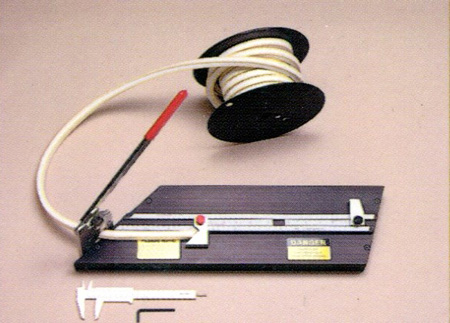
A: Proper installation is crucial. First, clean the stuffing box and shaft/stem thoroughly. Rings should be cut using a sharp blade on a mandrel of the correct diameter, using the "wrap-and-cut" method for a precise butt joint. Stagger the joints by 90 degrees on successive rings. Use a proper gland follower tool to tighten the gland nuts evenly and gradually. For new packing, tighten only until slight resistance is felt, then run the equipment to warm up and seat the packing. After a short run-in period (15-30 minutes), re-tighten the gland just enough to achieve a minimal, acceptable leak for cooling and lubrication. Over-tightening is a common cause of premature failure.
Q: Can this packing handle abrasive media or environments with significant particulate matter?
A: While Graphite PTFE Packing has good chemical resistance, pure graphite/PTFE can be susceptible to wear from hard, abrasive particles. For such applications, Kaxite Sealing offers enhanced grades where the PTFA is compounded with fine, compatible abrasion-resistant materials. We recommend consulting with our engineering team to select the optimal grade for abrasive service, which may involve a trade-off between pure chemical resistance and extended wear life.
Q: How do I select the right braid style (Plaited, Interbraided, Twisted) for my specific application?
A: The braid style impacts density, flexibility, and pressure containment. Plaited (die-molded) braid offers a consistent, dense cross-section ideal for general service with good sealing and durability. Interbraided style, with a graphite core inside a PTFE braid, provides the highest density and pressure rating for severe service, high-pressure steam, and aggressive chemicals. Twisted & Compressed style is softer, more flexible, and easier to install, best for low-friction needs, rotary applications, and where compatibility with delicate shaft surfaces is a priority. The Kaxite Sealing technical datasheets provide detailed guidance for selection.
Q: What maintenance practices are recommended to maximize the service life of the packing?
A: Regular monitoring is key. Establish a schedule to check gland follower adjustment and look for signs of excessive leakage. A slight weeping leak is normal and necessary for lubrication and cooling in many applications. Avoid the temptation to over-tighten the gland to stop all leakage, as this creates excessive heat and wear. During routine shutdowns, inspect the packing set for wear pattern and shaft condition. Keeping a record of operating hours and maintenance adjustments helps predict optimal repacking intervals and prevent unexpected failures.
- View as
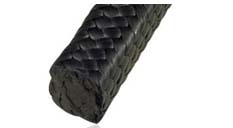
Pure Graphite PTFE Packing with Oil
Kaxite Sealing's Pure Graphite PTFE Packing with Oil offers superior sealing for industrial applications. Combining durable PTFE with graphite lubrication, it reduces friction, withstands extreme temperatures, and lasts longer than standard packings. Ideal for pumps and valves in harsh environments, it ensures reliability and efficiency, solving leakage issues with ease. Experience smoother operation and peace of mind—upgrade your equipment today!
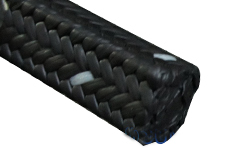
Pure Graphite PTFE Packing
Kaxite Sealing's Pure Graphite PTFE Packing delivers unmatched sealing performance in demanding industrial environments. This advanced packing combines pure graphite for exceptional temperature resistance and PTFE for superior chemical compatibility, making it ideal for valves, pumps, and other high-pressure applications. Users benefit from reduced downtime, enhanced safety, and long-lasting reliability. Unlike standard sealants, it offers easy installation and minimal maintenance, providing peace of mind and operational efficiency. Experience the Kaxite Sealing difference—trusted by professionals for superior sealing solutions.
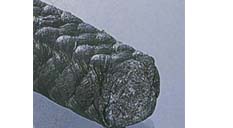
Graphite PTFE Filament Packing
Discover Kaxite Sealing's Graphite PTFE Filament Packing, the ultimate sealing solution for demanding industrial applications. Engineered with premium graphite and PTFE filament, it ensures superior durability, chemical resistance, and leak prevention, ideal for pumps, valves, and compressors. Experience unmatched reliability and reduced downtime—upgrade your systems with our advanced packing today and achieve seamless, efficient performance. Trust in quality that safeguards your operations.
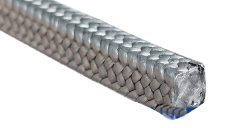
CGFO Packing
Discover the superior sealing solution—Kaxite Sealing's CGFO Packing, crafted for unmatched durability and performance. Engineered with advanced materials and innovative technology, this packing ensures reliable, leak-proof seals in demanding industrial and commercial settings. Ideal for engineers, facility managers, and maintenance professionals, it transforms operations with enhanced efficiency and peace of mind. Stand out with its eco-friendly design and long-lasting resilience, offering a smarter choice over conventional options. Elevate your sealing experience today—experience the Kaxite difference.