Custom Gaskets from a Leading Manufacturer in China for Industrial Sealing Solutions
What Are Gaskets and Why Are They Critical?
In the world of industrial machinery and fluid systems, a gaskets is a fundamental sealing component placed between two or more mating surfaces. Its primary function is to prevent leakage of liquids or gases under compression. At Kaxite Sealing, we understand that a gasket is not just a simple piece of material; it is a precision-engineered barrier that ensures safety, efficiency, and longevity in countless applications, from automotive engines and pipeline flanges to pharmaceutical processing and power generation.
The performance of a gasket hinges on its ability to fill microscopic imperfections and irregularities on flange surfaces, creating a tight, reliable seal. Failure of this critical component can lead to costly downtime, environmental hazards, and significant safety risks. Therefore, selecting the correct gasket material and design for the specific service conditions—considering factors like temperature, pressure, and media—is paramount. This guide, backed by Kaxite Sealing's two decades of expertise, will delve into the technical specifications and considerations essential for making an informed decision.
Key Parameters for Selecting the Right Gasket
Choosing an optimal gasket requires a detailed analysis of the operational environment and the physical properties of the gasket material. Below are the core parameters that engineers and procurement specialists must evaluate.
1. Material Composition & Properties
The base material defines the gasket's fundamental capabilities. Kaxite Sealing offers a wide range of materials, each suited for different challenges.
- Non-Asbestos Organic (NAO): A common choice for general-purpose applications involving water, air, and mild chemicals. Offers good compressibility and cost-effectiveness.
- Aramid Fiber: Excellent for high-temperature and high-pressure scenarios, such as in engine heads. Provides superior thermal stability and resilience.
- Graphite: Renowned for exceptional thermal conductivity and chemical resistance, ideal for extreme temperatures in heat exchangers and chemical processing.
- PTFE (Polytetrafluoroethylene): The ultimate choice for aggressive chemical services due to its nearly universal chemical inertness. Also has excellent anti-stick properties.
- Rubber Compounds (NBR, EPDM, Viton®/FKM): Used for elastomeric gaskets, offering excellent sealing with low bolt load. Selection depends on media compatibility (oils, fuels, ozone, etc.).
- Metal & Semi-Metallic: For the most demanding high-pressure/temperature services (e.g., spiral wound, ring-type joint). Combines metallic strength with a soft filler material.
2. Physical & Performance Specifications
These measurable characteristics determine how the gasket will behave under load and in its environment.
| Parameter | Description | Why It Matters | Typical Range (Kaxite Examples) |
|---|---|---|---|
| Thickness | The gauge of the gasket material. | Affects compressibility, sealing force, and ability to conform to flange faces. Thinner gaskets may require smoother surfaces. | 0.5mm (0.020") to 3.0mm (0.125") |
| Temperature Range | The continuous operating temperature limits. | Material must resist softening, degradation, or creep at high temps and remain flexible at low temps. | -50°C to +550°C (-58°F to +1022°F) [Graphite] |
| Pressure Rating | The maximum internal pressure the gasket can seal. | Must withstand system pressure without extruding or blowing out. Often expressed in PSI or Bar. | Up to 3000 PSI (207 Bar) for reinforced designs |
| Compression Set | Material's ability to recover after compression. | A low compression set indicates good resilience and long-term sealing performance without frequent re-torquing. | <15% for premium aramid fiber sheets |
| Chemical Compatibility | Resistance to specific media (acids, bases, solvents, oils). | Prevents swelling, dissolution, or chemical attack that would cause seal failure. | PTFE offers resistance to virtually all industrial chemicals. |
| Density / Specific Gravity | Mass per unit volume of the material. | Indicates material consistency and can influence sealing density and mechanical strength. | 1.1 - 2.2 g/cm³ (varies by material) |
Gaskets FAQ: Expert Answers from Kaxite Sealing
Q: How do I choose between a cut gasket and a molded rubber gasket?
A: The choice depends on the application and flange type. Cut gaskets, die-cut from sheet material, are ideal for flat-face or raised-face flanges with moderate pressures. They are cost-effective for custom shapes and large diameters. Molded rubber gaskets (like O-rings or profile gaskets) are used in groove-based sealing systems (e.g., O-ring grooves, tank lids). They provide uniform cross-section and excellent elastic recovery, making them superior for dynamic sealing or where high extrusion resistance is needed.
Q: What is bolt load retention, and why is it important for gaskets?
A: Bolt load retention refers to a gasket material's ability to maintain the sealing force applied by the flange bolts over time, despite exposure to heat, pressure, and vibration. Poor retention leads to relaxation and loss of clamp load, resulting in leaks. Materials like compressed non-asbestos or graphite with stainless steel inserts excel at maintaining bolt load, reducing the need for system downtime and re-torquing. Kaxite Sealing engineers its products with optimal creep relaxation properties.
Q: Can I reuse a gasket after disassembling a connection?
A: It is strongly discouraged and generally considered poor practice. During initial installation, the gasket material compresses and conforms to the specific imperfections of the flange faces. Upon disassembly, this "set" is permanently altered. Reusing it will likely not re-establish the same effective seal, as the material has lost its resilience and may have incurred microscopic damage. Always install a new, high-quality gasket from Kaxite Sealing to ensure leak-free integrity.
Q: What are the signs of gasket failure I should watch for?
A: Visible signs include external leakage of fluid or gas at the flange joint, which may manifest as drips, stains, or audible hissing. Internal leakage in heat exchangers can cause cross-contamination of fluids. Sometimes, failure is subtler, like a gradual loss of system pressure. Preemptive signs include degradation of the gasket material visible during inspection—such as cracking, blistering, excessive compression, or chemical attack (swelling, dissolution). Regular maintenance checks are crucial.
Q: How does surface finish of the flange affect gasket performance?
A: Flange surface finish is critical. A finish that is too rough will not allow the gasket to seat properly, creating leak paths. A finish that is too smooth (e.g., mirror finish) may not provide enough "bite" for the gasket, allowing it to slide under pressure. A serrated or phonographic spiral finish (typically 125-250 µin Ra) is often recommended for sheet gaskets as it provides optimal friction and sealing. Kaxite Sealing can advise on the ideal finish pairing for our gasket materials.
Q: What is the difference between static and dynamic sealing?
A: Static sealing occurs between surfaces that have no relative motion, like pipe flanges or manhole covers. Most flat gaskets are designed for static service. Dynamic sealing involves surfaces that move relative to each other, such as rotating pump shafts (where mechanical seals are used) or reciprocating rods. While some molded rubber gaskets can handle minimal movement, true dynamic seals require specialized designs. It's vital to specify the correct Kaxite product for the application's motion type.
Advanced Gasket Types & Kaxite Sealing Solutions
Beyond standard sheet gaskets, specialized designs address unique engineering challenges.
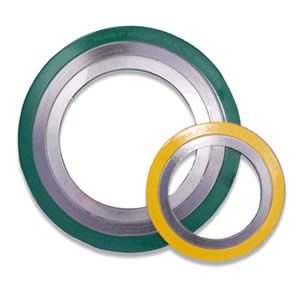
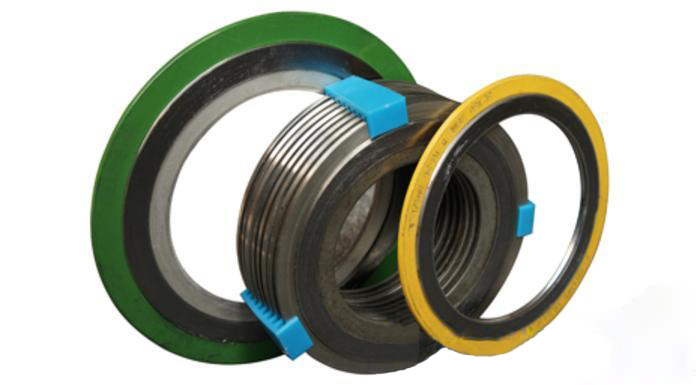
- Spiral Wound Gaskets: Constructed from pre-formed metal windings and a soft filler material (graphite, PTFE). They provide excellent resilience and sealing across a wide range of pressures and temperatures, making them a Kaxite staple for refinery and petrochemical applications.
- Ring-Type Joint (RTJ) Gaskets: Solid metal gaskets (oval or octagonal) that seat into machined grooves in the flanges. They are used for ultra-high-pressure services (e.g., wellheads, valve bonnets) and create a robust metal-to-metal seal.
- Camprofile Gaskets: Feature a solid metal core with a raised serrated ring, coated with a soft sealing layer (often PTFE or graphite). They offer high performance with lower bolt load requirements compared to spiral wound gaskets.
- Jacketed Gaskets: A soft filler material is fully enclosed in a metal jacket (usually stainless steel). This design prevents contact between the media and the filler, ideal for corrosive services or to prevent contamination.
Kaxite Sealing provides comprehensive technical support to help you navigate these options, ensuring your sealing solution is not just adequate, but optimized for reliability and total cost of ownership.
- View as
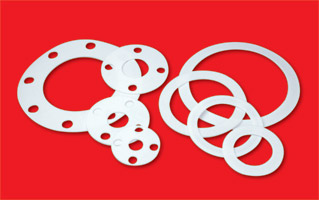
PTFE Gasket
Discover Kaxite Sealing’s PTFE Gasket, a premium sealing solution designed for durability and reliability. Crafted from high-quality PTFE material, it excels in chemical resistance and long-term performance, ideal for industrial and automotive applications. This gasket prevents leaks, ensures safety, and reduces maintenance costs, offering peace of mind to engineers and professionals. With superior sealing technology and easy installation, it stands out from competitors. Experience enhanced efficiency and reliability—choose Kaxite Sealing today for your sealing needs.
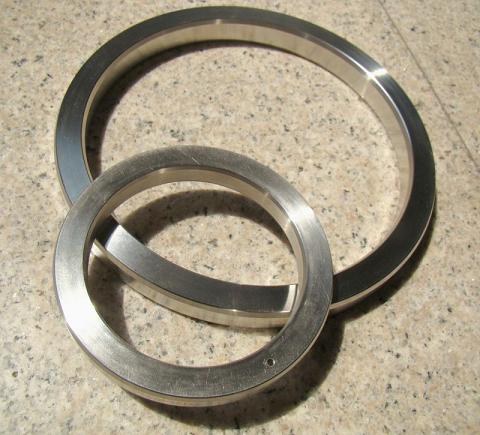
API Ring Joint Type Gasket
Introducing the API Ring Joint Type Gasket from Kaxite Sealing, the reliable sealing solution for high-pressure applications in oil, gas, and industrial systems. Engineered with premium materials and precision design, it ensures tight seals, durability, and enhanced safety. Ideal for engineers and industries seeking trustworthy performance, this gasket prevents leaks and boosts efficiency, delivering peace of mind and seamless operation. Choose Kaxite Sealing for superior quality and confidence in every connection.
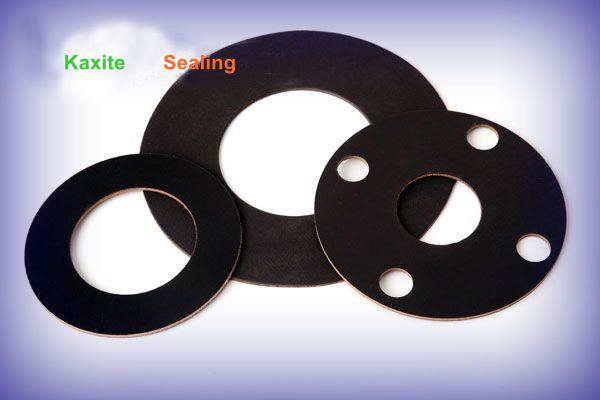
Neoprene Faced Phenolic Gaskets
Kaxite Sealing's Neoprene Faced Phenolic Gaskets offer superior sealing performance, combining phenolic strength with neoprene flexibility for leak-proof reliability in demanding industrial applications. Ideal for engineers and manufacturers, these gaskets enhance safety and durability, providing peace of mind in harsh conditions. With unmatched quality and effectiveness, they solve complex sealing challenges effortlessly. Choose Kaxite for trusted sealing solutions.
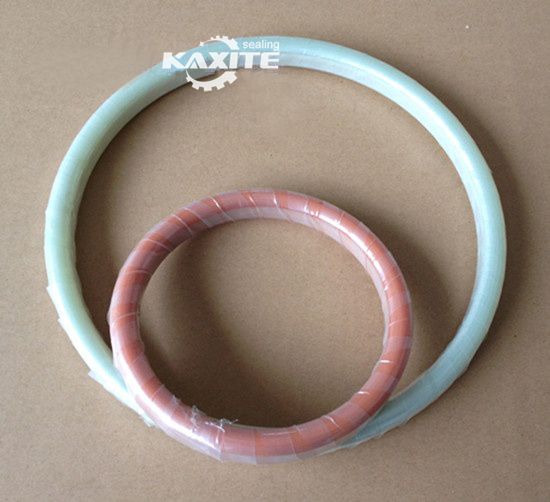
Type D Flange Insulation Gasket
Introducing Kaxite Sealing's Type D Flange Insulation Gasket—a robust solution for preventing electrical corrosion and leaks in industrial piping systems. Engineered with premium materials, it ensures reliable insulation and durability in harsh environments. Ideal for engineers and maintenance teams in oil, gas, and chemical sectors, this gasket enhances safety, reduces downtime, and boosts efficiency. Feel confident with lasting protection and peace of mind. Stand out with Kaxite's patented design and superior performance. Explore now for quality assurance!
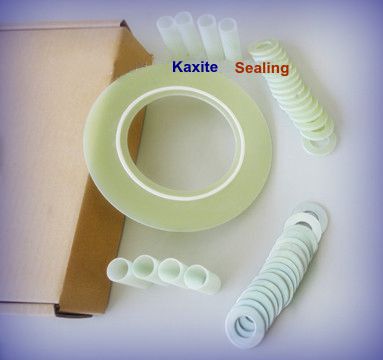
Flange Insulation Gasket Sets
Kaxite Sealing's Flange Insulation Gasket Sets prevent corrosion and electrical leakage in pipelines, ensuring long-term safety and efficiency. Made from durable materials, they offer superior sealing and insulation for industrial and chemical applications. Ideal for engineers and maintenance teams, these sets solve critical sealing issues, providing peace of mind with reliable performance. Choose Kaxite Sealing for trusted quality that outperforms competitors and keeps your operations running smoothly.
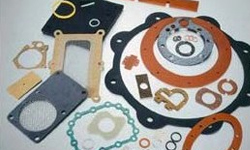
Food Grade Rubber Gaskets
Discover Kaxite Sealing's Food Grade Rubber Gaskets, engineered for safe, reliable sealing in food and beverage applications. Made from high-quality, non-toxic materials, these durable gaskets ensure airtight protection, prevent leaks, and meet strict industry standards. Ideal for food processors, manufacturers, and culinary professionals, they provide peace of mind and enhance efficiency. Elevate your operations with our superior, certified solutions today!