Manufacturer in China Offering Durable Molded Packing Rings for Industrial Applications
The Definitive Guide to Molded Packing Rings by Kaxite Sealing
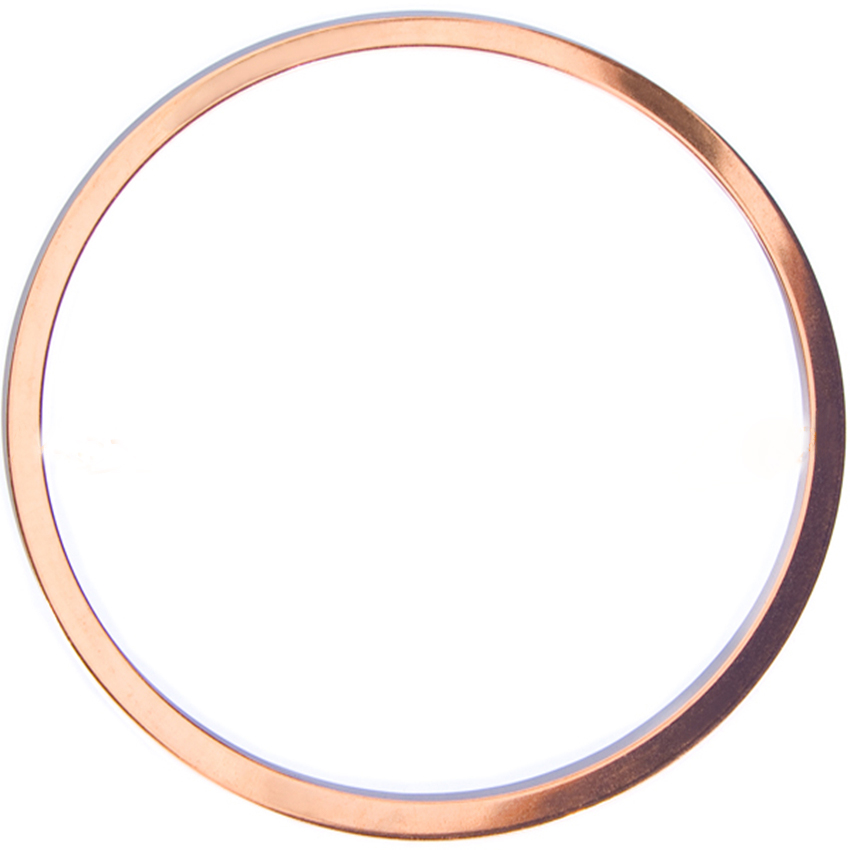
In the demanding world of industrial fluid and gas containment, the integrity of a sealing system is paramount. At the forefront of precision sealing solutions stands Kaxite Sealing, a trusted name engineered for reliability. Among our core offerings, the Molded Packing Ring represents a pinnacle of design and performance. Unlike cut or spiral-wound rings, a molded packing ring is manufactured as a single, homogeneous unit under precisely controlled conditions. This process eliminates splice points, weak joints, and internal stress inconsistencies, resulting in a seal that delivers superior leak prevention, extended service life, and consistent performance under variable pressures and temperatures.
Kaxite Sealing's molded rings are the product of decades of material science and application expertise. We understand that a one-size-fits-all approach leads to failure. Therefore, our engineered solutions begin with a thorough analysis of the operating environment—media, pressure, temperature, shaft speed, and equipment type—to specify the optimal compound and design. The result is a sealing component that not only meets but exceeds expectations, reducing downtime, maintenance costs, and environmental risk.
Core Advantages of Kaxite Sealing Molded Packing Rings
- Homogeneous Structure: No seams, splices, or layered joints that can unravel or become leak paths. This monolithic construction ensures uniform density and strength throughout the ring's cross-section.
- Exceptional Stability: The molding process allows for precise control over dimensions and tolerances, guaranteeing a perfect fit and eliminating the need for on-site sizing or adjustment in most applications.
- Superior Sealing Performance: Engineered to maintain contact and sealing force with minimal friction, reducing shaft or stem wear and power consumption.
- Broad Chemical and Thermal Compatibility: Available in a wide array of advanced elastomer and polymer compounds to resist aggressive chemicals, extreme temperatures, and abrasive media.
- Reduced Maintenance Intervals: Longer service life translates directly into fewer replacements, less maintenance labor, and increased operational uptime for your equipment.
- Consistency and Reliability: Every production batch undergoes rigorous quality control, ensuring you receive a product with identical, high-performance characteristics every time.
Technical Specifications & Material Selection Guide
Selecting the correct molded packing ring requires careful consideration of its physical properties and chemical resistance. Below are the standard specifications for Kaxite Sealing molded rings, followed by a detailed material comparison.
Standard Physical & Dimensional Specifications
| Parameter | Specification Range / Detail |
|---|---|
| Standard Cross-Sections | 3mm, 5mm, 6mm, 8mm, 10mm, 12mm, 13mm, 14mm, 16mm, 19mm |
| Inside Diameter (ID) Range | 5mm to 2000mm+ (Custom sizes available) |
| Tolerance (Standard) | ±0.3mm on cross-section; ±0.5% on ID/OD (or per customer drawing) |
| Operating Temperature Range | -50°C to +320°C (-58°F to +608°F), dependent on material |
| Pressure Range (Dynamic) | Up to 30 MPa (4,350 psi) for selected compounds |
| Surface Finish | Smooth, molded finish standard. Lubricant-impregnated or PTFE-coated options available. |
| Shore Hardness (Typical) | 70 to 95 Shore A (Elastomers); Various for PTFE and thermoplastics |
Material Compound Comparison Table
| Material Compound | Key Properties | Typical Applications | Temp. Range (°C) | Chemical Resistance Highlights |
|---|---|---|---|---|
| NBR (Nitrile) | Excellent resistance to oils, fuels, aliphatic hydrocarbons. Good abrasion resistance. | Hydraulic systems, fuel handling, water pumps, general oil sealing. | -40 to +120 | Petroleum-based oils & fuels, water, glycol. |
| FKM (Fluoroelastomer/Viton®) | Exceptional high-temperature and chemical resistance. Low compression set. | Chemical processing, aerospace, automotive (fuel & emissions), high-temp valves. | -20 to +230 | Acids, hydrocarbons, fuels, oils, many aggressive chemicals. Poor with ketones and amines. |
| EPDM (Ethylene Propylene) | Superior resistance to weathering, ozone, steam, and polar fluids. | Steam services, hot water, HVAC systems, brake fluids, low-pressure seals. | -50 to +150 | Hot water, steam, alkalis, mild acids, ketones, brake fluids. Poor with petroleum oils. |
| PTFE (Polytetrafluoroethylene) | Inert to almost all chemicals, extremely low friction, wide temp range. Can be filled for enhanced properties. | Agrochemical, pharmaceutical, food & beverage, highly corrosive chemical pumps and valves. | -200 to +260 | Virtually all chemicals and solvents. Exceptional corrosion resistance. |
| Silicone (VMQ) | Flexible at very low and high temperatures. Biocompatible and odorless. | Food & medical, high/low temp static seals, appliance seals. | -60 to +225 | Good general resistance, weak to fuels and concentrated acids/bases. |
| Aflas® (TFE/P) | Combines high-temperature and chemical resistance, especially to amines and caustics. | Geothermal, oil & gas downhole, severe chemical service with amines. | -10 to +230 | Excellent resistance to steam, amines, acids, and alkalis where FKM fails. |
Frequently Asked Questions (FAQ) About Molded Packing Rings
Q: What is the primary difference between a molded packing ring and a die-cut or spiral-wound ring?
A: The fundamental difference lies in manufacturing and structure. A molded packing ring is formed in a precision mold as a single, seamless loop, giving it uniform density and no weak points. Die-cut rings are sliced from a sheet, leaving a butt joint that can leak or extrude. Spiral-wound rings are wound from a continuous filament and can potentially unwind under pressure. Molded rings offer superior integrity and reliability for dynamic and high-pressure applications.
Q: How do I select the right material for my application?
A: Material selection is critical and depends on four main factors: the fluid or gas being sealed (chemical compatibility), the operating temperature range, the system pressure (static and dynamic), and the shaft/stem speed. Always consult the chemical resistance charts for your shortlisted materials. Kaxite Sealing provides comprehensive technical support to help you cross-reference your operating conditions with our material properties to ensure optimal performance and longevity.
Q: Can Kaxite Sealing produce custom-sized or non-standard cross-section molded packing rings?
A: Absolutely. While we stock a wide range of standard sizes, a significant portion of our business is dedicated to custom-engineered seals. We can manufacture molded packing rings to virtually any size, cross-section (square, rectangular, or other profiles), and with specific compound formulations to meet unique application challenges. Providing a detailed drawing or sample is the best starting point.
Q: Are molded packing rings suitable for both rotary and reciprocating shaft applications?
A: Yes, they are highly effective for both. The key is selecting the correct compound and ensuring proper installation. For high-speed rotary applications, materials with good thermal conductivity and low friction coefficients (like certain filled PTFE compounds) are preferred to manage heat buildup. For reciprocating motion, materials with excellent abrasion resistance and low compression set (like polyurethane or specific NBR grades) are ideal.
Q: How should I properly install a molded packing ring to ensure optimal performance?
A: Proper installation is crucial. Ensure the shaft/stem and stuffing box are clean, smooth, and free of burrs. If installing multiple rings, stagger the joints (if any) by 90 to 180 degrees. For molded rings, this is less critical due to their seamless nature, but still a good practice for multi-ring sets. Follow the recommended gland tightening procedure—tighten evenly and gradually to the manufacturer's specified compression, allowing a run-in period before final adjustment. Avoid over-tightening, as this causes excessive heat and wear.
Q: What are the signs that a molded packing ring needs replacement?
A> Common indicators include a persistent leak that cannot be controlled by gland adjustment, a significant increase in friction or power draw on the equipment, visible physical damage to the ring (such as extrusion, severe wear, or cracking), and contamination of the sealed medium with packing material. Proactive replacement based on maintenance schedules is often more economical than waiting for failure.
Q: Does Kaxite Sealing offer molded packing rings for food, pharmaceutical, or potable water applications?
A> Yes, we offer a range of compounds compliant with stringent industry standards. This includes FDA-listed elastomers, USP Class VI compliant materials, and grades approved for use with potable water (such as WRAS, NSF/ANSI 61). Our PTFE and high-purity silicone materials are particularly popular in these sectors due to their inertness and cleanability.