High-Quality Spiral Wound Gaskets Manufacturer in China for Industrial Applications
Understanding Spiral Wound Gaskets: A Critical Sealing Solution
In the demanding world of industrial sealing, reliability is non-negotiable. Spiral wound gaskets stand as a cornerstone technology, offering a robust and versatile sealing solution for a vast array of high-pressure, high-temperature applications. Engineered for performance in extreme conditions, these gaskets are the preferred choice for critical sealing points in refineries, chemical processing plants, power generation facilities, and offshore platforms. Unlike simple static seals, a spiral wound gasket’s unique construction allows it to accommodate system fluctuations, thermal cycling, and varying bolt loads, maintaining a leak-free seal where others might fail. As a leader in advanced sealing technology, Kaxite Sealing has refined the design and manufacturing of spiral wound gaskets to deliver unparalleled safety, durability, and compliance with international standards.
Core Construction & Design Principle
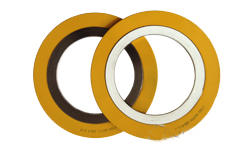
The superior performance of a spiral wound gasket stems from its ingenious laminated structure. It is manufactured by winding a pre-formed metal strip (the strengthening element) and a softer filler material (the sealing element) concurrently around a center point. This process creates a resilient, V-shaped cross-section that acts like a calibrated spring. The key components are:
- Metal Windings: Typically made from stainless steel (304, 316), alloy metals (Monel, Inconel), or titanium, providing structural strength and resilience.
- Filler Material: Non-metallic elements such as flexible graphite (grafoil), PTFE, or ceramic fibers, which deform to create the primary seal against flange surfaces.
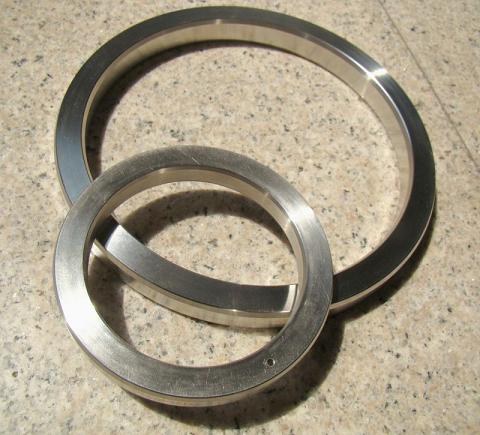
- Inner & Outer Rings: Optional but highly recommended retaining rings (centering rings) that prevent over-compression, guide installation, and improve handling.
This combination results in a gasket that compresses predictably under bolt load. The metal windings provide spring-back, compensating for relaxation and thermal cycles, while the filler material flows into micro-imperfections on the flange faces, ensuring a tight seal.
Key Product Parameters & Specifications
Selecting the correct spiral wound gasket requires careful consideration of several critical parameters. Kaxite Sealing gaskets are manufactured to precise specifications, ensuring optimal performance for your specific application.
1. Standard Sizes & Pressure Classes
Kaxite Sealing spiral wound gaskets are available in a full range of standard sizes corresponding to common flange standards such as ASME B16.20, API 6A, and DIN EN 1514. They are designed for all standard pressure classes.
| Flange Standard | Pressure Class (Rating) | Typical Applications |
|---|---|---|
| ASME B16.5, B16.47 | 150, 300, 600, 900, 1500, 2500 | Petrochemical, Power Plants |
| API 6A | 5,000 psi & 10,000 psi | Wellhead & Christmas Tree Equipment |
| DIN EN 1514 (DIN 2696) | PN 10, 16, 25, 40, 64, 100 | European Industrial Systems |
2. Material Combinations
The choice of metal winding and filler material is dictated by the chemical and thermal environment. Kaxite Sealing offers a comprehensive selection.
| Metal Winding Material | Filler Material | Temperature Range | Chemical Resistance |
|---|---|---|---|
| 304 / 304L Stainless Steel | Flexible Graphite | -240°C to +550°C (in air) | Excellent for hydrocarbons, steam, mild acids. |
| 316 / 316L Stainless Steel | PTFE (Teflon) | -200°C to +260°C | Superb for corrosive acids, caustics, solvents. |
| Inconel 600/625 | Flexible Graphite | Up to 980°C (inert atm.) | High-temp oxidation resistance, chlorides. |
| Titanium | Ceramic Fiber | Up to 1100°C | Excellent for strong oxidizing agents. |
3. Density & Gasket Stress
The density of the wound gasket, controlled during manufacturing, directly impacts the seating stress required to achieve a seal. Kaxite Sealing produces gaskets in standard and high-density configurations.
- Standard Density: Provides excellent sealability at lower bolt loads. Ideal for standard refinery and process applications.
- High Density: Designed for higher pressure applications and flanges with lower rigidity. Offers greater resilience and recovery.
Spiral Wound Gaskets: Frequently Asked Questions (FAQ)
Q: What are the primary advantages of using a spiral wound gasket over other types, like a solid metal or rubber gasket?
A: Spiral wound gaskets offer a unique balance of strength and sealability. Their main advantages include excellent resilience and spring-back to handle thermal cycling and pressure surges, high reliability in extreme temperature and pressure ranges, and the ability to seal on less-than-perfect flange finishes. Solid metal gaskets often require extremely high bolt loads and perfect flanges, while non-metallic gaskets lack the strength for high-pressure services. The spiral wound design from Kaxite Sealing provides a forgiving, robust, and long-lasting seal.
Q: When should I use inner and outer rings (centering rings) on my spiral wound gasket?
A: Inner rings are primarily recommended for two reasons: to prevent inward buckling of the gasket winding in high-pressure or vacuum service, and to provide a barrier against erosion or corrosion from the process media. Outer rings (also called guide rings) are almost always recommended. They serve to center the gasket accurately between flanges, prevent over-compression during bolt-up, and make handling and installation safer and easier. Most Kaxite Sealing spiral wound gaskets for standard ASME flanges are supplied with an outer ring as standard.
Q: How do I select the right material combination for my application?
A: Material selection is a three-step process. First, identify the chemical composition of the media being sealed and consult chemical resistance charts for the filler material (e.g., PTFE for harsh chemicals, graphite for hydrocarbons). Second, determine the maximum and minimum operating temperatures to ensure both metal and filler materials can withstand the range. Third, consider any potential for galvanic corrosion between the gasket metal and the flange material. Kaxite Sealing provides expert technical support to guide you through this selection to ensure optimal, safe performance.
Q: Can spiral wound gaskets be reused after disassembly?
A: Generally, no. Spiral wound gaskets are designed as one-time-use sealing elements. During initial installation, the filler material plastically deforms to conform to the flange surface imperfections, and the metal windings are elastically compressed. Upon disassembly, this precise "set" is lost. Reusing a gasket risks a leak path as it will not re-seat in exactly the same way. For guaranteed seal integrity and safety, always install a new Kaxite Sealing spiral wound gasket during reconnection.
Q: What is the proper bolt tightening procedure (torque sequence) for a spiral wound gasket?
A: Correct bolt-up is critical. Always follow a cross-pattern tightening sequence (star pattern) in multiple stages. First, hand-tighten all bolts. Then, using a calibrated torque wrench, tighten to 30% of the recommended final torque in the proper sequence. Repeat at 60%, and finally at 100% of the full torque value. This ensures even compression of the gasket, preventing distortion and creating a uniform seal. The recommended final torque depends on the bolt size, grade, and gasket density—refer to Kaxite Sealing installation guidelines or ASME PCC-1 for detailed procedures.
Q: Are Kaxite Sealing spiral wound gaskets compliant with industry standards?
A> Absolutely. Kaxite Sealing is committed to manufacturing quality and safety. Our spiral wound gaskets are produced in compliance with major international standards including ASME B16.20 (Ring Joint, Spiral Wound, and Jacketed Gaskets for Pipe Flanges), API 6A for wellhead equipment, and ISO 9001 for quality management systems. Each gasket is traceable, and material certifications (MTC) are available to ensure full compliance with your project specifications and regulatory requirements.
Applications Across Industries
The versatility of spiral wound gaskets makes them indispensable in numerous sectors. Kaxite Sealing provides specialized solutions tailored to each industry's unique challenges.
- Oil & Gas (Upstream & Midstream): Wellhead assemblies, Christmas trees, pipeline manifolds, compressor stations, and separators handling crude oil, natural gas, and sour service (H2S) environments.
- Refining & Petrochemical: Critical applications in reactors, fractionating columns, heat exchangers, and high-pressure piping for hydrocarbons, catalysts, and aggressive chemicals.
- Power Generation: Sealing for steam turbine casings, boiler feed pumps, and high-temperature/high-pressure steam lines in both conventional and nuclear power plants.
- Chemical & Pharmaceutical Processing: Reactors, pressure vessels, and piping systems requiring seals resistant to extreme corrosion, high purity, or sterile conditions.
- Marine & Offshore: Flange connections on platforms, FPSOs, and shipboard systems exposed to saline environments, vibration, and dynamic loads.
The Kaxite Sealing Advantage
Choosing Kaxite Sealing for your spiral wound gasket needs means partnering with a dedicated specialist. Our focus on precision engineering, stringent quality control, and deep technical expertise ensures every gasket delivers maximum safety and operational life. We don't just supply a product; we provide a sealing solution backed by comprehensive support, from material selection and design consultation to after-sales service. Trust Kaxite Sealing to be the critical link in your system's integrity.
- View as
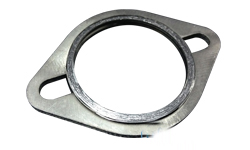
Exhaust Spiral Wound Gaskets
Kaxite Sealing's Exhaust Spiral Wound Gaskets deliver exceptional sealing for automotive and industrial exhaust systems, crafted from premium materials to prevent leaks. Their unique spiral design ensures durability and reliability, solving common pressure and temperature issues. Ideal for mechanics and engineers, these gaskets offer peace of mind and enhanced performance. Stand out with Kaxite's superior quality and innovation, trusted for leak-proof solutions.
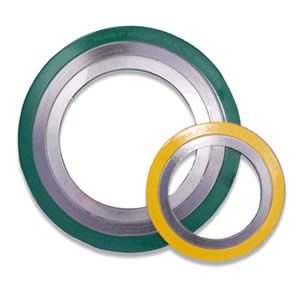
Special Materials Spiral Wound Gaskets
Kaxite Sealing's Special Materials Spiral Wound Gaskets deliver superior sealing performance for extreme industrial applications, combining durable materials with precision engineering to prevent leaks and enhance safety. Ideal for high-pressure, high-temperature environments, these gaskets ensure long-lasting reliability, boosting efficiency and peace of mind—choose Kaxite for unmatched quality and innovation.
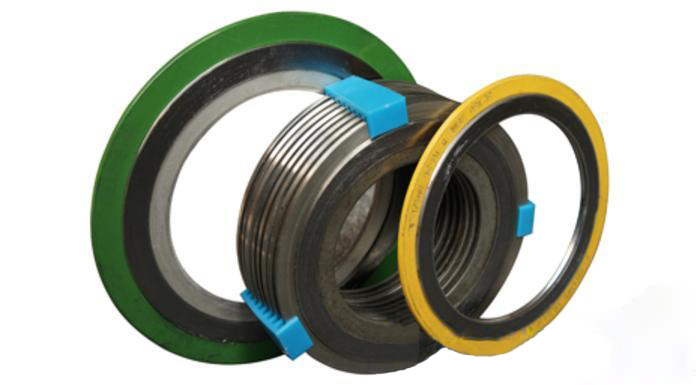
Inner & Outer Ring Of SWG
Kaxite Sealing's Inner & Outer Ring Of SWG is a precision sealing solution designed to enhance durability and prevent leaks in industrial applications. Crafted from high-grade materials with advanced technology, it offers superior performance and long-lasting reliability. Ideal for engineers and manufacturers in demanding environments, this product ensures peace of mind by solving common sealing challenges. Stand out with its innovative design and exceptional quality—elevate your operations with this essential component today.
Non-rounded Spiral wound Gaskets
Kaxite Sealing's Non-rounded Spiral Wound Gaskets offer unmatched sealing performance for industrial applications, designed with precision engineering to prevent leaks and withstand extreme pressures. Featuring durable materials and advanced non-rounded design, these gaskets exceed standard options, ensuring reliability for engineers and maintenance professionals in high-demand environments. Experience peace of mind with superior fit and efficiency, solving critical sealing challenges effectively.
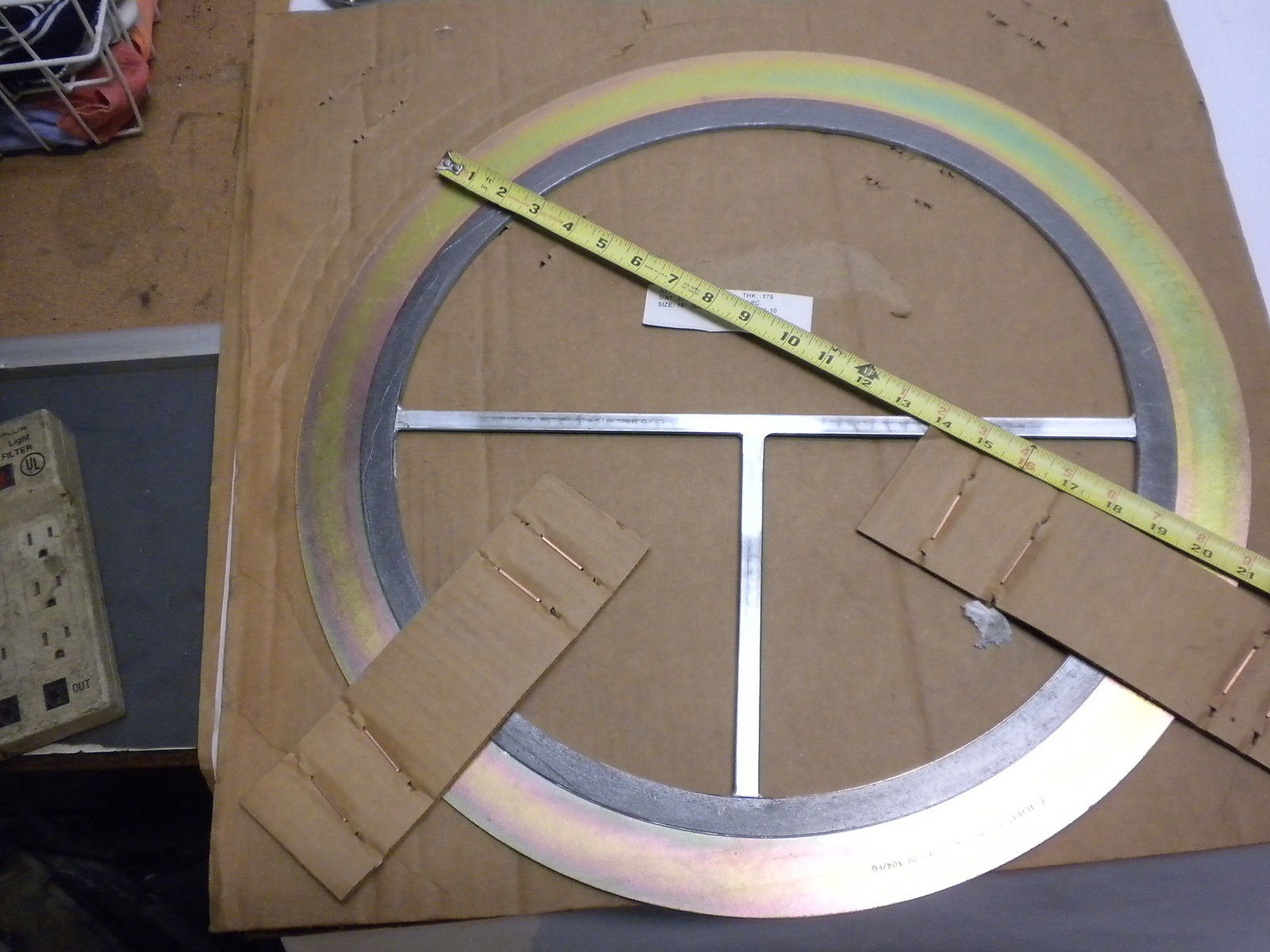
Spiral Wound Gasket for Heat Exchangers
Kaxite Sealing's Spiral Wound Gasket for Heat Exchangers ensures reliable sealing in high-pressure thermal applications, made from durable materials for superior leak resistance. Ideal for industrial engineers, it solves leakage issues, enhances safety, and reduces downtime with its innovative design and long-lasting performance.

Nuclear Spiral Wound Gasket
Discover Kaxite Sealing's Nuclear Spiral Wound Gasket, a high-performance sealing solution engineered for critical nuclear applications. This robust gasket ensures leak-proof safety, combining advanced materials and precision design to withstand extreme pressures and temperatures. Ideal for nuclear plants and demanding industries, it delivers unmatched reliability and long-term cost savings. With superior corrosion resistance and enhanced durability, it outperforms standard options, keeping operations safe and efficient. Experience peace of mind and invest in quality—trust Kaxite Sealing for secure, dependable performance in the most challenging environments.