High-Performance PTFE Packing Factory in China for Industrial Sealing Solutions
What is PTFE Packing and Why is it a Superior Sealing Solution?
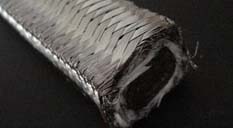
In the demanding world of industrial fluid handling, creating a reliable and durable seal is paramount. Among the myriad of sealing materials available, PTFE Packing stands out as a premier choice for engineers and maintenance professionals. Polytetrafluoroethylene, or PTFE, is a synthetic fluoropolymer renowned for its exceptional chemical resistance, wide temperature tolerance, and low friction properties. When engineered into braided packing styles, it creates a versatile sealing component capable of handling the toughest applications where other materials fail.
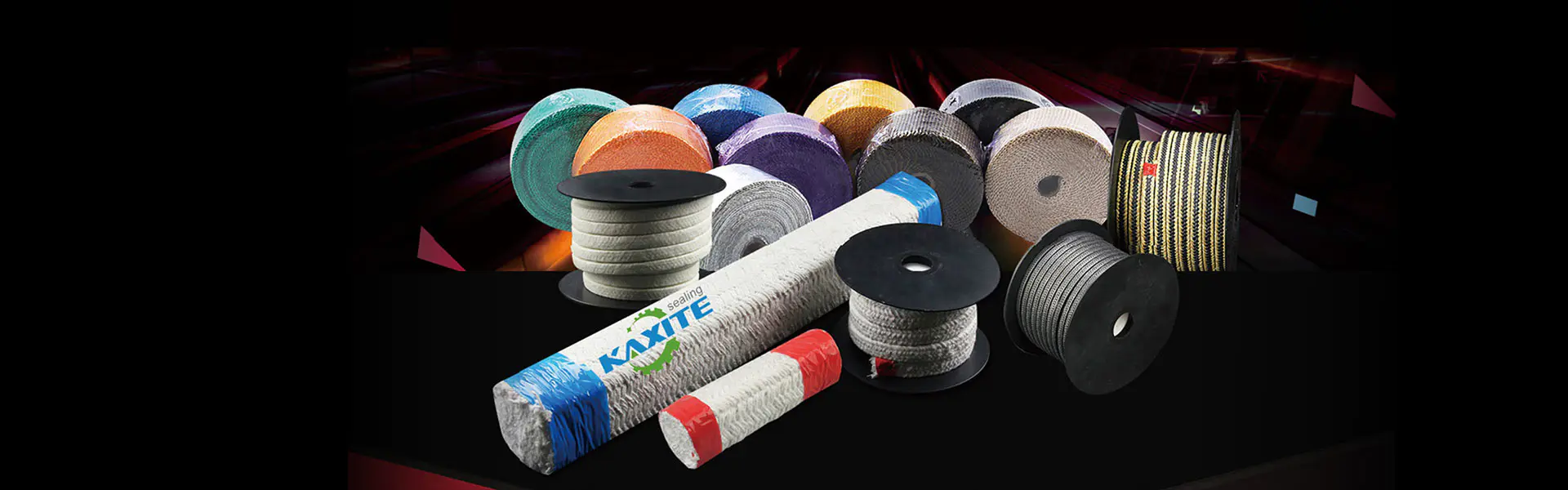
Kaxite Sealing has dedicated decades to mastering the formulation and manufacture of high-performance PTFE Packing. Our products are not just commodities; they are precision-engineered solutions designed to extend equipment life, reduce maintenance downtime, and prevent costly leaks. We understand that a packing must perform under extreme pressure, corrosive media, and high shaft speeds, which is why our PTFE packings are developed to meet and exceed these challenges.
Key Advantages of Choosing Kaxite Sealing PTFE Packing
- Unmatched Chemical Inertness: PTFE is virtually inert, offering excellent resistance to a vast range of aggressive chemicals, solvents, and acids. This makes it ideal for chemical processing, pharmaceutical, and petrochemical industries.
- Extreme Temperature Performance: Our PTFE packings maintain integrity and flexibility across a broad temperature spectrum, from as low as -260°C (-436°F) up to +260°C (+500°F) continuously, with higher peaks possible.
- Remarkably Low Coefficient of Friction: PTFE is inherently slippery, providing superior lubricity. This reduces wear on both the packing and the shaft/sleeve, leading to lower power consumption and extended service life for rotating equipment.
- Zero Contamination: PTFE is FDA-compliant and USP Class VI rated for purity. It does not leach contaminants, making it perfect for food, beverage, biotechnology, and pure water applications.
- Excellent Anti-Stick Properties: Materials are unlikely to adhere to PTFE surfaces, preventing packing from bonding to shafts and allowing for easier removal during maintenance.
- Long-Term Reliability & Cost Efficiency: The combination of durability, chemical resistance, and low maintenance requirements translates into significantly lower total cost of ownership compared to traditional packing materials like graphite or aramid fibers.
Technical Specifications & Product Parameters
Kaxite Sealing offers a comprehensive range of PTFE Packing styles, each designed for specific service conditions. Below are the detailed parameters for our flagship products.
Standard PTFE Filament Yarn Packing
| Parameter | Specification | Details / Benefit |
|---|---|---|
| Material Composition | 100% Pure PTFE Filament, Braided | Provides maximum chemical resistance and purity. |
| Temperature Range | -260°C to +260°C (-436°F to +500°F) | Suitable for cryogenic and moderate high-temperature services. |
| pH Range | 0 - 14 | Effective in both strong acids and strong alkalis. |
| Shaft Speed | Up to 15 m/s (3000 ft/min) | Excellent for high-speed pump and mixer applications. |
| Pressure | Up to 200 bar (2900 psi) | Robust performance in high-pressure systems. |
| Available Sizes | 3mm to 25mm (1/8" to 1") | Fits standard and custom stuffing box dimensions. |
| Colors | White (Standard), Custom Colors Available | Allows for easy identification and coding. |
Enhanced PTFE Packing with Lubricants & Additives
| Product Grade | Key Additive | Primary Application | Enhanced Property |
|---|---|---|---|
| Kaxite PTFE-G | Premium Graphite Particles | High-Temperature Valves, Aggressive Chemicals | Improved thermal conductivity, better sealing under thermal cycling. |
| Kaxite PTFE-C | Specialized Carbon | Abrasive Slurries, Poor Lubricity Media | Increased wear resistance, reduced shaft scoring. |
| Kaxite PTFE-M | Molybdenum Disulfide (MoS2) | High-Load, Slow-Speed Reciprocating Equipment | Exceptional dry-running capability, reduced break-in time. | Kaxite PTFE-FG | Flexible Graphite Foil & PTFE | Severe Service, High-Pressure Steam | Superior conformability and seal under high compression. |
PTFE Packing: Frequently Asked Questions (FAQ)
Q: What types of equipment is PTFE packing best suited for?
A: Kaxite Sealing PTFE Packing is exceptionally versatile. Its most common applications include centrifugal and reciprocating pumps, mixers and agitators, valves (including control valves), compressors, and expanders. It is particularly favored in industries handling corrosive fluids, ultrapure water, food products, pharmaceuticals, and aggressive chemicals where contamination or material degradation is a primary concern.
Q: How does PTFE packing compare to traditional graphite or flax packing?
A: PTFE packing offers significant advantages. Unlike graphite, which can be prone to oxidation and requires constant lubrication in some services, PTFE is self-lubricating and chemically inert. Compared to organic flax or aramid packings, PTFE has a much broader chemical and temperature resistance, does not swell or degrade in water, and provides a longer service life with less shaft wear. While the initial cost may be higher, the operational savings are substantial.
Q: Can PTFE packing be used for high-temperature applications above 260°C (500°F)?
A: While pure PTFE has a continuous service limit around 260°C, Kaxite Sealing's enhanced grades, such as our PTFE-G with graphite, can handle intermittent exposures to temperatures up to 288°C (550°F) or higher in oxidizing atmospheres. For consistently higher temperatures, we recommend consulting our engineering team for a hybrid or alternative graphite-based solution. It is critical to consider both temperature and the chemical environment when selecting packing.
Q: Is special installation or break-in procedure required for PTFE packing?
A: Proper installation is key to optimal performance. For Kaxite PTFE Packing, rings should be cut cleanly and staggered 90 degrees around the shaft. While PTFE has good lubricity, a break-in period is still recommended. After installation, gradually tighten the gland follower in small increments while the equipment is running, allowing time for the packing to seat and heat to dissipate. Avoid over-tightening initially, as this can generate excessive heat and cause premature failure.
Q: How do I select the correct size and style of PTFE packing for my pump?
A: Selection depends on several factors: the stuffing box bore and shaft diameter (to calculate cross-section), the equipment type (rotary vs. reciprocating), operating conditions (pressure, temperature, speed, and media), and the presence of any abrasives. The fundamental rule is that the packing cross-section should match the gland's dimensions. Kaxite Sealing provides detailed selection guides and our technical support team is always available to assist with application-specific recommendations to ensure you get the right product for the job.
Q: Does Kaxite Sealing offer PTFE packing for FDA and USDA compliant applications?
A: Absolutely. Our standard pure white PTFE filament yarn packing is manufactured from FDA-listed raw materials and is suitable for incidental food contact under USDA regulations. For applications requiring formal certification, such as in pharmaceutical processing, we can provide supporting documentation and specific grades that meet USP Class VI requirements. Always verify the exact regulatory needs of your application with our specialists.
- View as
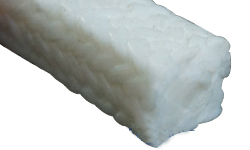
Pure PTFE Packing with Oil
Discover Kaxite Sealing's Pure PTFE Packing with Oil, engineered for unmatched sealing in industrial applications. This advanced packing combines pure PTFE with oil for superior performance, durability, and resistance to harsh conditions. Ideal for engineers and maintenance professionals operating in high-pressure environments, it prevents leaks and ensures reliable operation, saving time and costs. Unlike standard packings, it offers enhanced lubrication and longevity. Experience seamless efficiency and peace of mind—choose Kaxite Sealing for industrial sealing solutions.
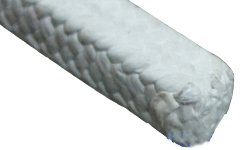
Pure PTFE Packing
Kaxite Sealing's Pure PTFE Packing delivers exceptional sealing performance for industrial applications, ideal for engineers and professionals in harsh environments. Made from premium PTFE, it offers superior chemical resistance, low friction, and durability, solving leaks and downtime. Experience reliable protection and peace of mind with this top-choice sealing solution.
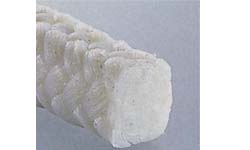
PTFE Filament Packing
Kaxite Sealing's PTFE Filament Packing delivers unmatched durability and chemical resistance, ideal for demanding industrial sealing applications. Its advanced filament design ensures superior leak-proof performance, offering reliable protection in harsh environments. For engineers and maintenance professionals, this packing reduces downtime and enhances safety, providing peace of mind with its long-lasting efficiency. Choose Kaxite Sealing for a high-performance solution that stands out in quality and reliability.
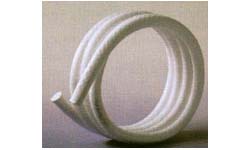
Expanded PTFE Round Cord
Kaxite Sealing's Expanded PTFE Round Cord offers superior sealing solutions with flexible, durable material ideal for industrial applications. Its chemical resistance and high-performance design ensure reliable sealing, saving time and costs for engineers and maintenance professionals. Experience unmatched reliability and efficiency—trust Kaxite Sealing for your critical sealing needs.