Graphite Packing Factory in China
The Ultimate Guide to High-Performance Graphite Packing
In the demanding world of industrial sealing, reliability isn't just a feature—it's the foundation of safety, efficiency, and profitability. For over two decades, Kaxite Sealing has been at the forefront of sealing technology, developing solutions that withstand the most extreme conditions. Among our core expertise lies in advanced graphite packing, a material that has revolutionized static and dynamic sealing across countless industries.
Graphite packing, specifically the high-purity, flexible graphite variety, is engineered from exfoliated graphite. This process creates a material with exceptional inherent properties: outstanding thermal conductivity, remarkable chemical inertness, and superior self-lubrication. Unlike traditional braided packings, graphite forms a cohesive seal that adapts to flange imperfections and gland adjustments, providing a leak-free barrier against steam, hot oils, aggressive chemicals, and corrosive gases.
At Kaxite Sealing, we don't just supply graphite packing; we engineer sealing security. Our products are manufactured under stringent quality controls, ensuring consistent density, purity, and performance batch after batch. This guide delves into the technical specifications, applications, and advantages of Kaxite Sealing's graphite packing range.
Key Product Parameters & Specifications
Understanding the specifications of graphite packing is crucial for selecting the right grade for your application. Below is a detailed breakdown of the primary parameters for Kaxite Sealing's standard flexible graphite packing.
Material Composition & Properties
- Base Material: 99.9% Pure Exfoliated/Expanded Graphite
- Reinforcement: Optional (Inconel wire, tanged foil, or foil laminate for high-pressure/dynamic service)
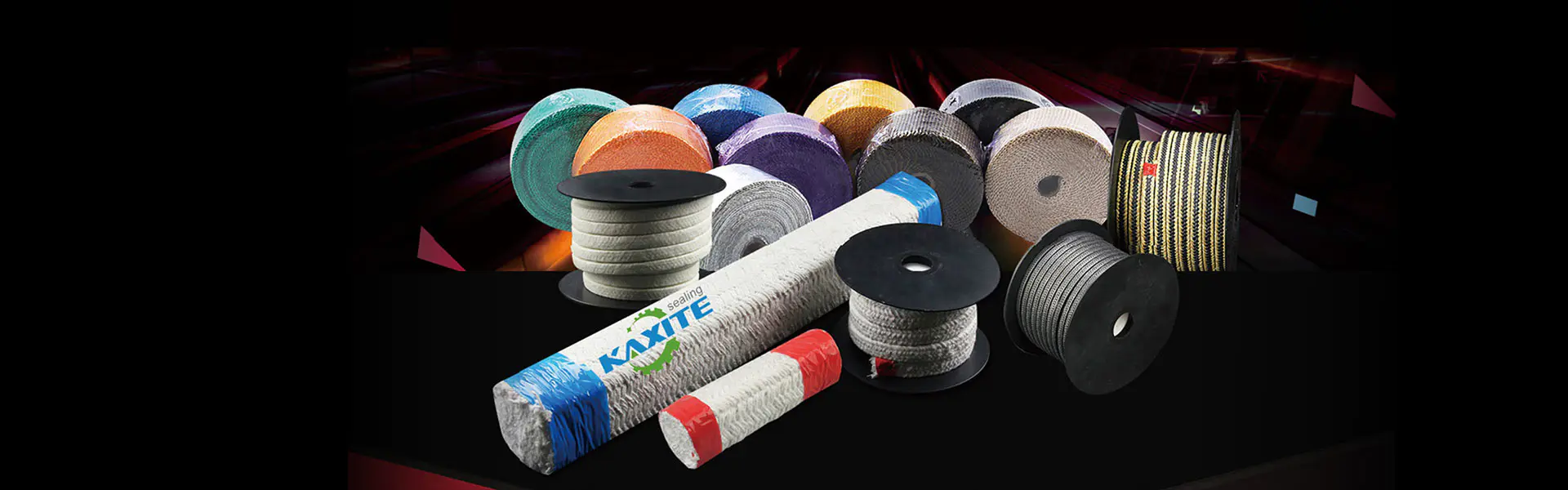
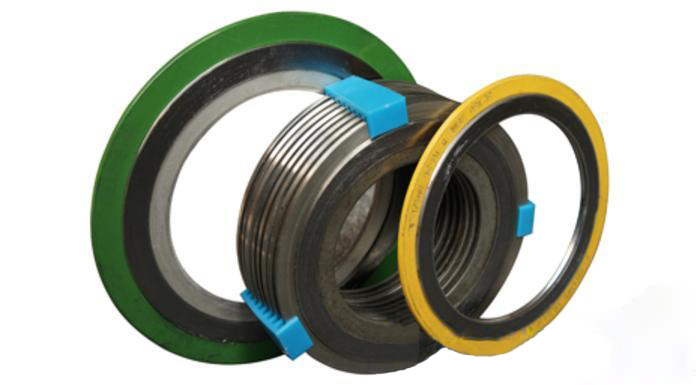
- Form: Tape, Sheet, Die-Formed Rings, Spiral-Wound Gaskets, Braided Style
- Color: Matte Dark Gray to Black
Technical Performance Data Table
| Parameter | Value / Range | Test Standard | Significance |
|---|---|---|---|
| Carbon Content | ≥ 99.9% | ASTM D5617 | Indicates purity; higher purity improves chemical resistance and thermal stability. |
| Temperature Range | -240°C to 3000°C (-400°F to 5432°F) in non-oxidizing atmospheres; up to 450°C (842°F) in oxidizing air. | ASTM E831 | Defines the operational limits for continuous service. |
| Thermal Conductivity | 10 - 150 W/m·K (in-plane) | ASTM E1461 | Excellent heat dissipation reduces thermal stress on adjacent components. |
| Pressure Range | Up to 20,000 psi (138 MPa) for reinforced styles | API 622 / 6A | Maximum sealing pressure capability. |
| Density (Typical) | 1.0 - 1.3 g/cm³ | ASTM F1315 | Affects compressibility, recovery, and sealing force. |
| Compressibility | 40 - 60% | ASTM F36 | Ability to conform to flange surface irregularities. |
| Recovery | 15 - 30% | ASTM F36 | Ability to maintain seal during thermal cycling and pressure fluctuations. |
| pH Range | 0 - 14 (for pure graphite) | N/A | Resistance to virtually all acids, alkalis, and solvents. |
| Emissions (Sealability) | < 100 ppm (TA-Luft) | EN 1593 / VDI 2440 | Measures leakage rate, critical for environmental and safety compliance. |
Standard Sizes & Forms
| Form Factor | Common Dimensions | Common Applications |
|---|---|---|
| Graphite Tape (Roll) | Width: 1mm to 100mm, Thickness: 0.15mm to 1.5mm | On-site gasket cutting, valve stem packing, general repairs. |
| Graphite Sheet | Sheet Size: 1m x 1m, 1.5m x 1.5m; Thickness: 0.2mm to 3.0mm | Fabricating large flange gaskets, heat exchangers, boiler manways. |
| Die-Formed Rings | ID: 6mm to 2000mm, Cross-Section: 1.5mm to 6.0mm | Heat exchangers, glass-lined reactors, pump seals, standard flanges (ASME B16.21). |
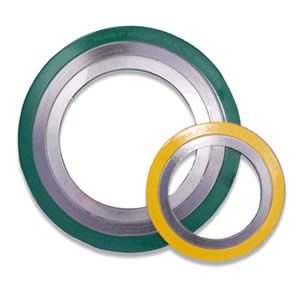
| Spiral-Wound Gaskets | All standard ASME B16.20 / EN 1514 sizes with graphite filler. | High-pressure/temperature refinery, petrochemical, and power plant flanges. |
| Braided Graphite Packing | Square Section: 3mm to 25mm, on spools or pre-formed rings. | Valve stems, agitators, expansion joints, rotary equipment. |
Graphite Packing: Frequently Asked Questions (FAQ)
Q: What are the main advantages of graphite packing over traditional asbestos or PTFE-based packings?
A: Graphite packing offers several superior advantages. It has a much wider temperature range, functioning from cryogenic to extremely high temperatures where PTFE would degrade. It exhibits excellent thermal conductivity, dissipating heat from the stuffing box and prolonging shaft and packing life. It is chemically inert to nearly all media except strong oxidizing agents. It has natural self-lubrication, reducing friction and wear on shafts or rods. Finally, it is more environmentally friendly and safe compared to historical asbestos materials.
Q: Can Kaxite Sealing graphite packing be used in highly oxidizing environments?
A: Pure flexible graphite begins to oxidize in air at temperatures above approximately 450°C (842°F). For continuous service in oxidizing atmospheres above this temperature, Kaxite Sealing offers specially treated grades. These include oxidation-inhibited graphite, which incorporates proprietary additives to slow the oxidation process, or metal-reinforced versions (like with Inconel foil) that provide a protective barrier, significantly extending service life in such demanding conditions.
Q: How do I select the correct density for my application?
A: Density is a critical selection factor. Lower density (e.g., 1.0 g/cm³) packings are softer, more compressible, and ideal for sealing uneven or damaged flange surfaces at lower pressures. Higher density (e.g., 1.3 g/cm³) packings offer greater structural integrity, higher tensile strength, and are better suited for high-pressure applications, spiral-wound gaskets, or where extrusion resistance is a concern. Our Kaxite Sealing technical team can assist in specifying the optimal density based on your pressure, temperature, and flange condition.
Q: Is graphite packing suitable for dynamic sealing (rotary, reciprocating) or just static flanges?
A: While pure graphite sheet and tape are primarily for static seals, graphite is extensively used in dynamic applications. For valve stems, pumps, and agitators, it is commonly supplied in a braided format (graphite yarn braided with or without reinforcing filaments) or as die-formed rings. These forms provide the necessary flexibility, resilience, and self-lubrication for effective dynamic sealing. Kaxite Sealing provides packing styles specifically engineered for low-friction, long-life performance in reciprocating and rotary service.
Q: What is the proper installation procedure for graphite packing rings?
A: Correct installation is key to performance. First, ensure the stuffing box, shaft, and old packing are clean and undamaged. Cut packing rings using a sharp blade and a mandrel of the correct diameter; use a 45-degree staggered butt cut—never a square cut. Install rings one at a time, staggering the joints by at least 90 degrees. Use a proper packing installation tool to seat each ring firmly and evenly. Follow the manufacturer's torque specifications for the gland follower. For pumps and valves, initial leakage is normal; a brief run-in period allows the graphite to conform and create the final seal. Always refer to the specific Kaxite Sealing installation guide provided with the product.
Q: How does Kaxite Sealing ensure the quality and consistency of its graphite packing?
A: Kaxite Sealing implements a rigorous multi-stage quality assurance protocol. We start with sourcing the highest purity natural graphite. Our proprietary exfoliation process is tightly controlled to ensure consistent flake structure. Every production batch undergoes testing for critical parameters such as carbon content, ash residue, chloride/sulfur levels (for nuclear and special applications), density, and compressibility/recovery. Our final products are traceable from raw material to finished good, guaranteeing the performance and reliability our global clients depend on for their critical operations.
Applications Across Core Industries
The versatility of Kaxite Sealing graphite packing makes it indispensable in sectors where failure is not an option.
- Chemical & Petrochemical: Reactors, columns, heat exchangers, and flange connections handling acids, alkalis, hydrocarbons, and steam. Resists sour gas (H2S) and amine services.
- Oil & Gas (Upstream, Midstream, Refining): Wellhead equipment, christmas trees, pipeline flanges, refinery furnace headers, and coker units. Meets API 6A, 6D, and other stringent standards.
- Power Generation: Steam turbine joints, boiler manways and soot blowers, condenser doors, and high-temperature valve stems in fossil fuel, nuclear, and geothermal plants.
- Pulp & Paper: Digester lids, bleach plant equipment, and black liquor recovery boiler flanges exposed to corrosive chemicals and high heat.
- Steel & Metallurgy: Annealing furnace doors, coke oven gas systems, heat treatment lines, and exhaust flanges in high-temperature ambient air.
- Pharmaceutical & Food: Hygienic vessel flanges and agitator seals requiring ultra-pure, non-contaminating, and cleanable sealing materials.
- View as
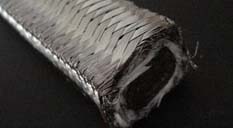
High-temperature High-pressure Valves Special Graphite Packing
Kaxite Sealing High-temperature High-pressure Valves Special Graphite Packing provides unmatched reliability for demanding industrial applications. Its advanced graphite material ensures a tight, leak-proof seal in extreme conditions, reducing downtime and maintenance costs. Ideal for engineers and facilities in chemical, power, and oil industries, it solves critical sealing challenges with a durable, high-performance design. Experience the security of consistent operation and enhanced safety with Kaxite's superior packing solution.
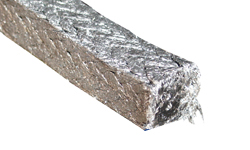
Super Graphite Valve Packing
Experience exceptional sealing performance with Kaxite Sealing's Super Graphite Valve Packing. Engineered for industrial valves, it offers superior durability and temperature resistance, keeping operations safe and efficient for engineers and maintenance professionals. Enjoy enhanced reliability and peace of mind with this innovative solution that outperforms traditional materials. Discover the difference today!
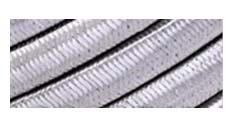
Jacketed Graphite Packing
Discover Kaxite Sealing's Jacketed Graphite Packing, a premium sealing solution for industrial applications like pumps and valves. Its advanced graphite core ensures superior heat resistance and durability, outperforming traditional options. Ideal for engineers and maintenance professionals in demanding environments, it offers reliable, leak-free performance that enhances safety and reduces downtime. Experience unmatched efficiency and peace of mind—trust Kaxite Sealing for lasting quality and innovation in every seal.
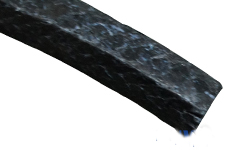
Graphite Packing With PTFE Impregnated
Discover Kaxite Sealing's Graphite Packing With PTFE Impregnated, a premium sealing solution engineered for demanding environments in industries like chemical and power generation. This product combines durable graphite with PTFE for exceptional chemical resistance, high temperatures, and minimal friction, ensuring reliable, low-maintenance performance. Ideal for engineers and facilities managers, it prevents leaks and downtime, offering peace of mind and enhanced efficiency. Unlike standard packings, its superior impregnation delivers unmatched durability and longevity. Trust Kaxite Sealing for cutting-edge quality and reliability to optimize your operations today.
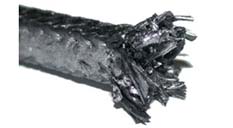
Graphite Packing with Carbon Fiber Corners
Kaxite Sealing introduces Graphite Packing with Carbon Fiber Corners, a durable sealing solution for industrial applications. This product combines flexible graphite with reinforced carbon fiber corners to prevent leaks in high-temperature environments. Ideal for engineers and maintenance teams, it ensures enhanced safety and efficiency, reducing downtime. Its unique design outperforms standard packings, delivering reliable performance and peace of mind. Experience superior sealing and upgrade your operations today.
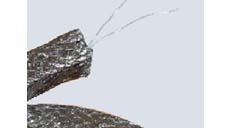
Graphite Packing Reinforced with Metal Wire
Discover Kaxite Sealing's Graphite Packing Reinforced with Metal Wire: a high-performance sealing solution for demanding industrial applications. This product excels in withstanding extreme temperatures and pressures, offering superior durability and reliability. Ideal for engineers and operators in chemical processing or power generation facilities, it ensures leak-free performance and peace of mind. Its unique metal wire reinforcement sets it apart, providing enhanced strength while maintaining flexibility. Experience fewer maintenance issues and increased operational efficiency—upgrade your sealing needs with this trusted innovation today.