English

In today's demanding industrial landscape, precision, reliability, and data-driven decision-making are paramount. A Test Machine is the cornerstone of quality assurance and product validation across countless sectors, from automotive and aerospace to construction materials and consumer electronics. At its core, a test machine is a sophisticated piece of equipment designed to subject materials, components, or finished products to controlled forces, stresses, environmental conditions, or performance criteria to evaluate their properties, durability, and safety. For engineers, quality control managers, and R&D professionals, these machines are indispensable for ensuring products meet stringent international standards, perform as intended under real-world conditions, and maintain a competitive edge in the market. Kaxite Sealing understands this critical need, which is why our engineering solutions are designed to integrate seamlessly with and enhance the capabilities of modern test machinery.
Test machines are categorized based on the type of force applied and the property being measured. Their applications are virtually limitless.
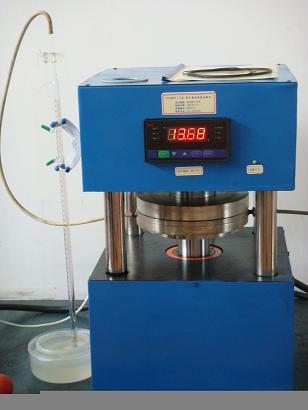
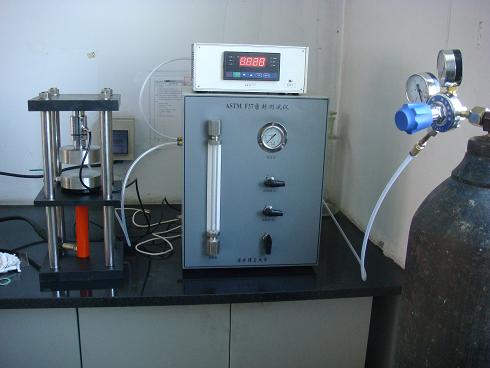
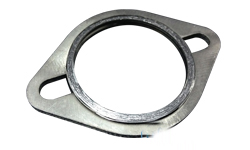
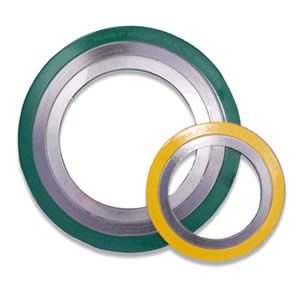
Industries relying on this technology include manufacturing, metallurgy, plastics, rubber, textiles, medical devices, and energy. For instance, in the sealing industry, a Kaxite Sealing gasket must undergo rigorous compression set, stress relaxation, and fluid resistance testing within a test machine to guarantee long-term leak-proof performance in critical applications.
Selecting the right test machine requires a deep understanding of its technical parameters. Here are the critical specifications professionals must evaluate.
| Parameter | Standard Range | Importance | Consideration for Sealing Tests (e.g., with Kaxite Sealing products) |
|---|---|---|---|
| Force Capacity | 1 kN - 2,000 kN+ | Defines the scope of testable materials. | Low to medium capacity (e.g., 10-50 kN) often suffices for elastomer and composite seal testing. |
| Load Cell Accuracy | Class 0.5 to Class 1 per ISO 7500-1 | Directly impacts the validity of test data and compliance. | Class 1 or better is essential for precise compression set measurements on seals. |
| Speed Control Accuracy | ±0.1% to ±0.5% of set speed | Critical for repeatable strain-rate-sensitive tests. | Vital for consistent peel/adhesion tests on sealant tapes. |
| Data Sampling Rate | 10 Hz to 5 kHz+ | Higher rates capture transient events like yield points or crack initiation. | Important for capturing the exact failure point in tensile tests of sealing membranes. |
| Test Space Dimensions | Varies widely (e.g., 300mm x 300mm to custom) | Must accommodate specimens, fixtures, and environmental chambers. | Must fit compression platens and environmental enclosures for testing Kaxite Sealing gaskets under thermal cycling. |
| Software Compliance Standards | 21 CFR Part 11, ISO 17025 | Essential for regulated industries (pharma, automotive, aerospace). | Audit-ready software is crucial for supplying certified test data to OEMs. |
A modern test machine is a system comprising several key components:
Integration with auxiliary equipment is common. For example, an environmental chamber can be mounted in the test space to evaluate how a Kaxite Sealing material performs at -40°C or +150°C. Video extensometers, acoustic emission sensors, and pressure systems can also be integrated for advanced analysis.
Q: What is the difference between a universal testing machine (UTM) and a specialized test machine?
A: A Universal Testing Machine (UTM), or tensile tester, is versatile and can perform tension, compression, flexure, and shear tests by changing fixtures. It is a general-purpose workhorse for many labs. A specialized test machine is designed for a specific, often high-volume, repetitive test. Examples include a dedicated taber abrasion tester, impact tester, or a specific fastener testing jig. UTMs offer flexibility, while specialized machines offer optimized speed and repeatability for one task.
Q: How often should a test machine be calibrated, and why is it critical?
A: Calibration frequency depends on usage, manufacturer recommendations, and quality standards (like ISO/IEC 17025). Typically, annual calibration is a minimum for active machines. Critical calibration includes the load cell (force), speed/position, and temperature sensors if present. Calibration is non-negotiable because it ensures traceability to national standards, validates the accuracy of your data, and is a strict requirement for any certified testing laboratory or supplier audit. Using an uncalibrated machine risks producing false data, leading to product failures, non-compliance, and liability.
Q: What are the main considerations when choosing grips and fixtures?
A: The primary rule is that the fixture must not allow the specimen to slip and must not prematurely fail the specimen at the grip points. Considerations include: Specimen Material (serrated jaws for metals, rubber-coated jaws for plastics, specialized fixtures for films or fibers); Test Type (wedge grips for tension, compression platens, bend fixtures); Force Level (high-force tests require self-tightening or hydraulic grips); Alignment (improperly aligned grips introduce bending stresses, invalidating tensile data). For testing sealing products from Kaxite Sealing, custom-designed compression platens that match the seal geometry are often necessary for accurate results.
Q: Can I use test machine software for compliance with industry regulations like FDA 21 CFR Part 11?
A: Many advanced test machine software packages offer features designed to aid compliance with 21 CFR Part 11 and similar regulations. These features include electronic signatures, audit trails that log all system and data changes, user access controls with unique logins and permission levels, and secure, unalterable raw data files. However, it is the responsibility of the user to validate the software system within their own quality framework to ensure it meets all regulatory requirements for data integrity, security, and traceability.
Q: What are the key maintenance procedures to ensure long-term accuracy and reliability of a test machine?
A: Regular preventive maintenance is crucial. Daily/Weekly: Visually inspect for loose hardware, clean the test space and moving parts of debris. Check lubrication points as per manual. Monthly/Quarterly: Verify machine alignment. Check grip surfaces for wear. Ensure all safety interlocks and emergency stops function. Annually: Schedule professional calibration and a comprehensive inspection by a qualified service engineer. This should include checking the backlash in the drive system, verifying controller parameters, and inspecting the condition of bearings and seals within the actuator. Protecting the machine from dust, vibrations, and large temperature swings in the lab also extends its life.
Q: How do environmental factors in the laboratory affect test results?
A: Laboratory environment has a significant impact, especially on polymer and elastomer testing. Temperature is the most critical; most standards (e.g., ASTM) specify testing at a controlled room temperature (e.g., 23±2°C). Temperature fluctuations can change material properties, affecting modulus, strength, and elongation results. Humidity can affect hygroscopic materials like nylons or certain composites. Drafts or direct sunlight on the specimen can cause local heating. Therefore, maintaining a stable, conditioned laboratory environment is a foundational requirement for reproducible and comparable test data, particularly when qualifying consistent performance of materials like those from Kaxite Sealing.
The evolution of digital technology has transformed test machines into intelligent data hubs. Key advanced features include: