High-Performance Insulation Products Manufacturer in China
Comprehensive Guide to High-Performance Insulation Products
For over two decades, the team at Kaxite Sealing has been at the forefront of developing and supplying advanced Insulation Products for a global market. Effective insulation is a critical component in modern construction and manufacturing, directly impacting energy efficiency, safety, occupant comfort, and operational costs. Whether for thermal management in extreme environments, acoustic control in commercial spaces, or fire protection in industrial settings, selecting the right insulation material is paramount. This guide delves into the core product categories, technical specifications, and application best practices that define professional-grade solutions.
Core Product Categories & Technical Specifications
Kaxite Sealing's product portfolio is engineered to meet diverse and demanding requirements. Below is a detailed breakdown of our primary insulation lines.
1. Thermal Insulation Materials
Designed to resist heat flow and maintain temperature stability.
- Mineral Wool (Stone Wool & Glass Wool): Excellent fire resistance and acoustic properties. Non-combustible with melting points above 1000°C.
- Flexible Elastomeric Foam (FEF): Closed-cell structure ideal for preventing condensation on chilled water pipes, refrigeration lines, and HVAC ductwork. Highly resistant to water vapor transmission.
- Polyisocyanurate (PIR) Foam Boards: Rigid panels offering one of the highest R-values per inch among foam plastics. Commonly used for roofing, wall sheathing, and commercial applications.
- Expanded Polystyrene (EPS) & Extruded Polystyrene (XPS): Cost-effective rigid foam boards for foundations, perimeter walls, and below-grade applications. XPS offers higher compressive strength and moisture resistance.
| Product Type | Typical Thermal Conductivity (k-value) W/m·K | Typical R-Value per Inch (imperial) | Optimal Service Temperature Range | Key Applications |
|---|---|---|---|---|
| Kaxite PIR Foam Board | 0.022 - 0.025 | R-6.0 to R-6.5 | -60°C to +120°C | Commercial roofing, wall cavities, industrial cladding |
| Kaxite FEF Tube & Sheet | 0.034 - 0.038 | R-3.7 to R-4.2 | -40°C to +105°C | Chilled water pipes, refrigerant lines, HVAC ducts |
| Kaxite High-Density Mineral Wool | 0.035 - 0.040 | R-3.1 to R-3.7 | Up to 750°C (stone wool) | Fire stopping, high-temperature equipment, acoustic barriers |
| Kaxite XPS Board | 0.030 - 0.035 | R-4.5 to R-5.0 | -50°C to +75°C | Below-slab, foundation walls, inverted roofs |
2. Acoustic Insulation Solutions
Focus on sound absorption and noise reduction between spaces.
- Acoustic Mineral Wool Rolls & Batts: Dense, fibrous materials designed to absorb sound energy within wall cavities, floor/ceiling assemblies, and acoustic panels.
- Mass Loaded Vinyl (MLV): A flexible, high-density sheet used as a sound barrier in walls, ceilings, and around noisy equipment. Often used in combination with other materials.
- Acoustic Foam Panels: Open-cell foam with specific patterns to absorb mid-to-high frequency sounds, used in recording studios, home theaters, and office spaces.
3. Fire Protection & Firestop Insulation
Critical for life safety and building code compliance.
- Fire-Rated Mortar & Sealants: Kaxite Sealing provides specialized intumescent and endothermic materials that expand or absorb heat to seal penetrations and joints during a fire.
- Fire Batts & Wraps: Mineral wool blankets used to fill voids around penetrations (pipes, conduits) in fire-rated walls and floors.
- Fire-Rated Boards: Rigid boards made from calcium silicate or mineral wool used for constructing fire barriers and protecting structural steel.
Critical Product Parameters for Specification
When evaluating Insulation Products, consider these key parameters to ensure performance and compliance.
| Parameter | Definition & Importance | Testing Standard (Examples) |
|---|---|---|
| Thermal Resistance (R-Value) | A measure of resistance to heat flow. Higher R-value = greater insulating power. Critical for energy code compliance. | ASTM C518, ISO 8301 |
| Thermal Conductivity (k-value or λ-value) | The inherent ability of a material to conduct heat. Lower k-value = better insulator. Used to calculate R-value for specific thicknesses. | ASTM C177, ISO 8302 |
| Fire Reaction Classification | Describes how a material contributes to fire (ignitability, flame spread, heat release, smoke production). Class A (or Euroclass A1/A2) is best. | ASTM E84 (UL723), EN 13501-1 |
| Fire Resistance Rating (FRR) | The duration (e.g., 60, 90, 120 minutes) a system (wall, floor, penetration seal) containing the insulation can withstand fire. A system property. | ASTM E119, UL 263, EN 1364-1366 |
| Water Vapor Permeability (µ) & Permeance | Indicates a material's resistance to water vapor diffusion. Crucial for preventing condensation within the building envelope. | ASTM E96, EN ISO 12572 |
| Compressive Strength | The load a material can withstand without significant deformation. Vital for insulation under floors, roofs, or pavements. | ASTM D1621, EN ISO 844 |
| Noise Reduction Coefficient (NRC) & Sound Transmission Class (STC) | NRC rates sound absorption (0-1). STC rates partition sound blocking. Higher numbers indicate better acoustic performance. | ASTM C423 (NRC), ASTM E90 (STC) |
Insulation Products FAQ
What is the most important factor when choosing insulation for an exterior wall?
The priority depends on climate and building design, but thermal performance (R-value) and moisture management are paramount. You must achieve the R-value required by local building codes for energy efficiency. Simultaneously, the insulation must be compatible with the wall assembly to prevent interstitial condensation, which can lead to mold and structural damage. For example, in cold climates, a vapor-permeable insulation like mineral wool on the exterior sheathing is often recommended to allow drying to the outside. Kaxite Sealing provides solutions with documented R-values and vapor permeability data to facilitate proper design.
What's the difference between thermal insulation and acoustic insulation? Can one product do both?
Thermal insulation primarily resists heat transfer, while acoustic insulation aims to absorb sound or block its transmission. While they are distinct functions, many materials offer both benefits to varying degrees. For instance, dense mineral wool batts are excellent for thermal insulation in walls and also provide significant sound absorption, improving both energy efficiency and acoustic privacy. However, specialized acoustic products like Mass Loaded Vinyl (MLV) are engineered primarily as sound barriers with minimal thermal properties. Kaxite Sealing's technical datasheets clearly specify both the thermal (R-value) and acoustic (NRC/STC) performance of its products.
How do I know if an insulation product is truly fireproof?
The term "fireproof" is misleading; all materials can be affected by sufficient heat and time. The correct terms are "non-combustible," "fire-resistant," or "fire-retardant." Look for official fire reaction classifications. A product like Kaxite Sealing's stone wool insulation is non-combustible (Euroclass A1 or ASTM Class A), meaning it will not contribute fuel to a fire. For fire protection systems (like sealing a penetration), you need products with a certified Fire Resistance Rating (FRR) based on full-scale system testing, not just the material's reaction to fire. Always request third-party test reports and certification listings (UL, FM, ETA) for fire-related applications.
Why is closed-cell foam like FEF or PIR recommended for piping insulation instead of fiberglass?
Closed-cell foam materials have a inherent vapor barrier due to their cellular structure. When insulating cold pipes (e.g., chilled water, refrigeration), the surface temperature of the pipe is below the dew point of the surrounding air. If a vapor-permeable insulation like fiberglass is used, moisture from the air will migrate through the insulation, condense on the cold pipe surface, leading to corrosion, reduced insulation performance, and water damage. Kaxite Sealing's FEF tubes have a very low water vapor permeability, effectively preventing this condensation.
Can I install new insulation over old existing insulation?
It is possible but requires careful assessment. First, the existing insulation must be dry, mold-free, and structurally sound. It should not be a type that settles or compresses over time. Second, adding insulation changes the thermal and vapor profile of the assembly. You must ensure the new configuration does not create a "vapor trap" where moisture can condense within the wall or roof. Third, for fire safety, verify that the combination of materials does not compromise any existing fire ratings. Consulting with a building professional or a Kaxite Sealing technical representative is advised before proceeding.
What are the environmental considerations for insulation products?
Key considerations include: embodied energy (energy used in production), Global Warming Potential (GWP) of blowing agents used in foams, recycled content, end-of-life recyclability, and indoor air quality (low VOC emissions). Kaxite Sealing is committed to sustainability, offering products with high recycled content (e.g., mineral wool), foam boards with low-GWP blowing agents, and materials that contribute to green building certifications like LEED and BREEAM. Always review Environmental Product Declarations (EPDs) for comprehensive lifecycle data.
Application-Specific Recommendations
Selecting the right product involves matching its properties to the specific demands of the application.
- Residential Attics: For maximum thermal performance and fire safety, blown-in cellulose or fiberglass batts are common. Kaxite Sealing also offers high-R PIR boards for creating conditioned attic spaces ("hot roofs").
- Commercial Flat Roofs: Rigid PIR or polyiso boards are the industry standard due to their high R-value per inch, dimensional stability, and compatibility with roofing membranes.
- Industrial Pipework: For temperatures from -40°C to +105°C, pre-formed Kaxite FEF tubes or sheets are ideal for their condensation control and durability. For higher temperatures, calcium silicate or mineral wool sections are used.
- Internal Partition Walls: Acoustic mineral wool batts within the stud cavity, potentially combined with resilient channels and double layers of drywall, significantly improve STC ratings for privacy.
- Foundation & Below-Grade Walls: Moisture-resistant rigid foam like XPS or EPS is essential due to constant ground contact and hydrostatic pressure. Kaxite XPS boards offer high compressive strength and long-term R-value retention in damp conditions.
For over 20 years, Kaxite Sealing has built its reputation by providing not just materials, but integrated insulation solutions backed by deep technical expertise. Our product development is driven by the evolving needs of building codes, energy standards, and sustainability goals. By focusing on clearly defined parameters, third-party certifications, and application-specific guidance, we empower architects, engineers, and contractors to make informed decisions that ensure long-term performance, safety, and efficiency in every project.
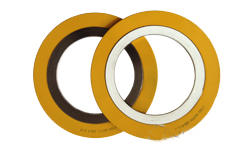
- View as
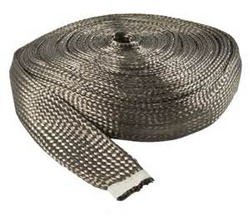
Basalt Fiber Sleeving
Kaxite Sealing's Basalt Fiber Sleeving is a high-performance protective solution crafted from natural volcanic rock fibers, offering unmatched durability, heat resistance, and flexibility for automotive, aerospace, and industrial applications. Its lightweight design and eco-friendly composition ensure long-lasting sealing and insulation, solving common wear-and-tear issues while providing peace of mind. Stand out with superior quality and reliability – upgrade your projects today!
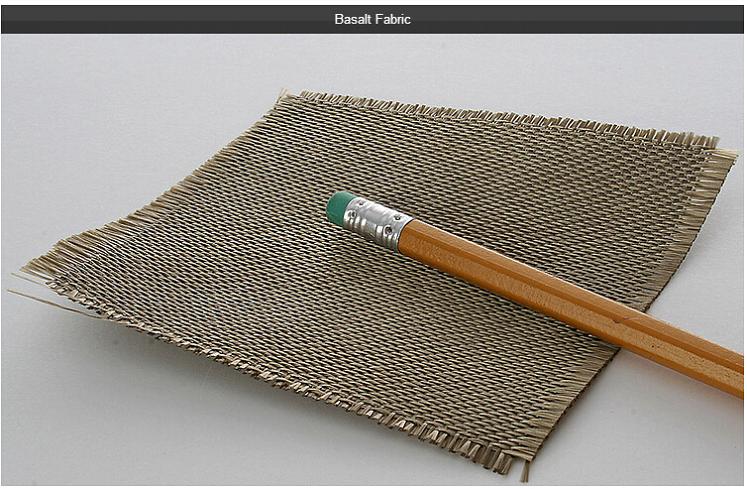
Basalt Fiber Cloth
Discover Kaxite Sealing's Basalt Fiber Cloth: a durable, high-performance fabric made from volcanic rock fibers, perfect for industrial, automotive, and construction applications. Its superior heat resistance, strength, and eco-friendly nature set it apart, solving wear-and-tear issues for engineers and builders. Experience reliability and innovation—enhance your projects with this cutting-edge material today!
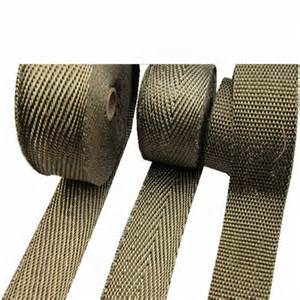
Basalt Fiber Tape
Discover Kaxite Sealing's Basalt Fiber Tape: a durable, eco-friendly sealing solution made from volcanic rock fibers, perfect for industrial, construction, and DIY projects. Its high strength, heat resistance, and corrosion-proof design ensure long-lasting performance in harsh environments. Ideal for engineers, builders, or homeowners, it solves leaks and cracks with ease, offering peace of mind and reliability. Unlike traditional tapes, it's non-toxic and sustainable. Try it today for a leak-free future!
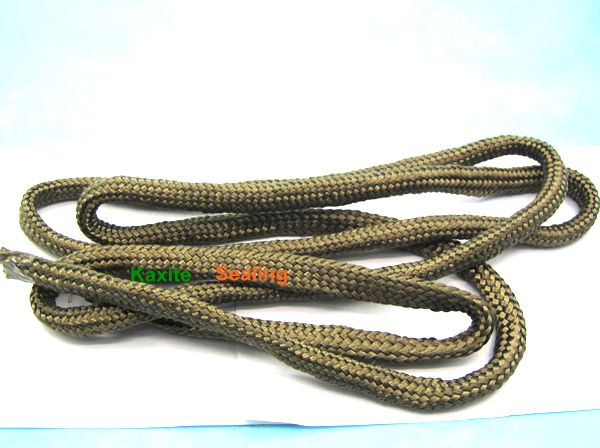
Basalt Fiber Rope
Introducing Kaxite Sealing's Basalt Fiber Rope: a durable, high-performance solution crafted from volcanic basalt fibers. Ideal for industrial, marine, and outdoor applications, it offers superior strength, heat resistance, and corrosion protection. Users gain reliability and peace of mind in demanding environments, standing out with eco-friendly, non-conductive properties. Embrace innovation and durability—choose Basalt Fiber Rope for your next project.
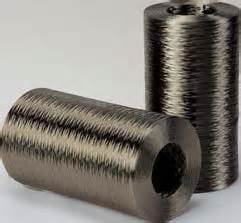
Basalt Fiber Yarn
Experience superior durability and performance with Kaxite Sealing's Basalt Fiber Yarn. Made from volcanic rock fibers, our yarn offers exceptional strength, heat resistance, and corrosion protection, perfect for industrial, construction, and marine applications. Ideal for engineers, architects, and manufacturers, it ensures reliable, long-lasting solutions that solve wear and tear challenges. Unlike traditional yarns, our Basalt Fiber Yarn combines eco-friendliness with unmatched performance. Elevate your projects with Kaxite Sealing—trust in innovation and quality.
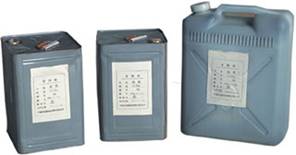
Paint Priming
Achieve flawless finishes with Kaxite Sealing's Paint Priming, a premium primer designed for DIYers and professionals alike. Its advanced formula ensures superior adhesion, smooth application, and vibrant color retention on any surface. Experience effortless painting with long-lasting results that transform your spaces with confidence and ease.