Sealing Tools Factory in China Specializing in Customized Industrial Solutions
Understanding Sealing Tools: The Foundation of Effective Leak Prevention
In industrial maintenance, pipeline integrity, automotive repair, and countless manufacturing processes, the integrity of seals is paramount. Preventing leaks is not merely a matter of avoiding mess; it is critical for safety, environmental protection, operational efficiency, and cost containment. At the heart of any successful sealing project lies the proper use of specialized sealing tools. These are not generic implements but precision-engineered instruments designed for specific sealing methods and materials. This guide, drawing from decades of field expertise, delves into the world of sealing tools, outlining their types, applications, and technical specifications to empower professionals in making informed decisions.
The term "sealing tools" encompasses a broad range of equipment used to apply, form, install, remove, and test seals. Their function varies from manually driving a gasket into place to hydraulically generating immense forces for flange spreading or controlled bolt tensioning. Using the incorrect tool can lead to seal damage, uneven compression, joint failure, and ultimately, costly downtime. Therefore, understanding the parameters and capabilities of these tools is the first step toward achieving a reliable, leak-free seal.
Core Categories and Technical Parameters of Sealing Tools
Professional-grade sealing tools can be categorized by their primary function. Below is a detailed breakdown of the most common types, with a focus on the technical specifications that define their performance and suitability for a task.
1. Hydraulic Torque Wrenches and Tensioners
These tools are essential for achieving precise, repeatable bolt load on flanged connections, which is critical for gasket performance. They eliminate the inaccuracies and variability of manual methods.
- Function: To apply a specific, controlled torque or tension to bolts and studs.
- Key Parameters:
- Max Torque Output: Measured in Nm (Newton-meters) or ft-lbs (foot-pounds). Ranges from 500 Nm for smaller units to over 100,000 Nm for large industrial applications.
- Hydraulic Pressure: Operating pressure in psi or bar.
- Square Drive Size: e.g., 1", 1-1/2", 2-1/2". Determines socket compatibility.
- Weight and Dimensions: Critical for accessibility in confined spaces.
- Accuracy: Typically ±3% to ±5% for high-quality tools.
- Primary Applications: Large-diameter pipeline flanges, pressure vessel heads, heat exchangers, wind turbine connections.
2. Flange Spreading and Alignment Tools
Installing or replacing a gasket often requires safely separating flange faces. These tools prevent damage to the flange or bolt threads that can occur with makeshift methods like prying.
- Function: To create a controlled, parallel gap between two flanged faces for gasket insertion.
- Key Parameters:
- Max Spreading Force: Measured in tons or kN (kilonewtons). Common ranges from 10 to 100 tons.
- Max Gap Opening: The distance the tool can separate the flanges, measured in mm or inches.
- Jaw Design: Profile and material (e.g., forged steel) to fit various flange types.
- Power Source: Hydraulic (pump-driven) or mechanical (screw-type).
- Primary Applications: Pipeline maintenance, valve replacement, pump and compressor refurbishment.
3. Gasket Cutters and Sheet Cutting Tools
For creating custom gaskets on-site from sheet material (e.g., rubber, graphite, PTFE).
- Function: To cut precise, clean gaskets of various shapes and diameters.
- Key Parameters:
- Cutting Capacity: Max thickness and material type it can handle.
- Cutting Method: Hollow punch, drag knife, roller cutter, or beam-style cutter.
- Adjustability: Range of diameters or shapes achievable.
- Base Material: Stability and flatness of the cutting bed.
- Primary Applications: Maintenance shops, field repairs, prototyping, non-standard flange sizes.
4. Sealant Application Tools (Cartridge Guns, Dispensers)
For the accurate and efficient application of liquid gaskets, thread sealants, and adhesives.
- Function: To dispense sealants from cartridges, sausages, or bulk containers.
- Key Parameters:
- Ratio (for 2-component systems): e.g., 1:1, 10:1 static or dynamic mixing.
- Output Pressure: Force applied to the cartridge, affecting flow rate.
- Cartridge/Sausage Volume: Common sizes: 300ml, 400ml, 600ml.
- Barrel Diameter: Compatibility with cartridge sizes.
- Primary Applications: Formed-in-place gaskets (FIPG), thread locking and sealing, general bonding.
Detailed Product Parameter Comparison
The following table provides a side-by-side comparison of representative models from different sealing tool categories, illustrating how specifications dictate application. These models exemplify the engineering rigor found in brands like Kaxite Sealing.
| Tool Category | Model Example | Core Parameter 1 | Core Parameter 2 | Core Parameter 3 | Typical Use Case |
|---|---|---|---|---|---|
| Hydraulic Torque Wrench | Kaxite Sealing HTW-7500 | Max Torque: 7,500 Nm | Drive Size: 1-1/2" Square | Accuracy: ±3% | M30-M36 bolts on pump flanges |
| Flange Spreader | Kaxite Sealing FJS-35T | Max Force: 35 Tons | Max Gap: 50 mm | Jaw Type: Heavy-Duty Forged | Separating 8" ANSI Class 600 flanges |
| Gasket Cutter | Kaxite Sealing GCP-200 | Material Thickness: Up to 3 mm | Cutting Range: 25-200 mm dia. | Cutting Head: Tungsten Carbide | On-site cutting of graphite spiral-wound gasket fillers |
| Sealant Dispenser | Kaxite Sealing SDR-10:1 | Mix Ratio: 10:1 | Output Volume: 600 ml/min | Power Source: Pneumatic | Applying high-strength anaerobic flange sealant |
Frequently Asked Questions (FAQ) About Sealing Tools
Q: Why can't I use standard wrenches and makeshift tools for critical sealing applications?
A: Standard tools lack the precision and control required for modern sealing materials. Uneven bolt loading from manual wrenches can distort the flange or create uneven gasket compression, leading to a high risk of leakage. Flange spreaders are designed to apply force in a controlled, parallel manner, whereas prying can gall sealing surfaces. Using the correct tool ensures joint integrity, safety, and actually saves time and money by preventing rework and failures.
Q: How do I select the right hydraulic torque wrench for my project?
A: Selection is based on several factors. First, determine the required bolt torque specified by the flange or equipment manufacturer. Choose a wrench with a maximum torque rating 20-30% higher than your target to avoid operating at the tool's limit. Second, consider bolt size and accessibility—ensure the wrench and its reaction arm will fit the space. Third, evaluate the hydraulic pump's flow rate and pressure compatibility with the wrench. Finally, consider weight and ergonomics for operator safety and efficiency.
Q: What maintenance do professional sealing tools require?
A: Regular maintenance is crucial for longevity and accuracy. For hydraulic tools (wrenches, spreaders), this includes checking and replacing hydraulic fluid, inspecting hoses for wear or damage, cleaning quick-connect couplers, and storing tools in a clean, dry environment. For mechanical tools like cutters, keep cutting edges sharp and lubricate moving parts. For dispensers, clean mixing tubes and nozzles immediately after use to prevent cured sealant from clogging the system. Following the manufacturer's maintenance schedule, such as those provided with Kaxite Sealing equipment, is essential.
Q: Can flange spreaders damage my flanges?
A: When used correctly, they are designed to prevent damage. The key is to use a spreader with the appropriate jaw design for your flange type (e.g., raised face, flat face) and to position the jaws properly on robust parts of the flange, not on the sealing surface or bolt threads. The controlled, parallel opening minimizes stress concentration. In contrast, using wedges or screwdrivers concentrates force on a tiny area, highly likely to mar or dent the critical sealing surface.
Q: Are cartridge sealant guns interchangeable between brands?
A: Partially, but with caution. Standard 300ml or 400ml cartridges often fit guns with a matching barrel diameter. However, for two-component (2K) systems, compatibility is more complex. The cartridge design (side-by-side or coaxial), the piston configuration, and the mixing nozzle thread type are often proprietary. It is strongly recommended to use the dispenser gun specified by the sealant manufacturer or a universal gun verified to be compatible, as an improper match can lead to incorrect mixing ratios and sealant failure.
Q: What safety precautions are paramount when using high-force sealing tools?
A: Safety is non-negotiable. Always wear appropriate PPE, including safety glasses, gloves, and steel-toe boots. Never place any part of your body in the line of force or potential pinch points of a tool. Ensure hydraulic hose connections are secure before pressurizing. Use reaction arms or fixtures correctly to prevent tool rotation. For tensioning tools, ensure the puller legs are securely engaged. Always refer to and follow the detailed safety instructions in the tool's operation manual.
- View as
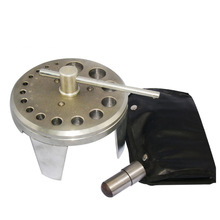
Gasket Punch Set
The Kaxite Sealing Gasket Punch Set is a professional tool designed for precise gasket cutting, made from durable materials to ensure long-lasting performance. Ideal for DIY enthusiasts and mechanics, it solves common fitting issues with ease, offering superior accuracy compared to standard sets—upgrade your toolkit today!
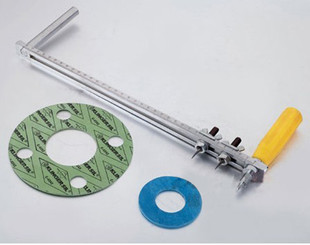
Gasket Cutter
Kaxite Sealing's Gasket Cutter is a precision tool designed for flawless gasket cutting in automotive, plumbing, and industrial applications. Crafted with durable stainless steel and an ergonomic handle, it ensures clean, accurate cuts every time, saving time and reducing waste. Ideal for professionals and DIY enthusiasts, this cutter transforms tedious tasks into effortless efficiency, offering unmatched reliability compared to generic alternatives. Experience the satisfaction of perfect seals and enhanced productivity—get yours today!
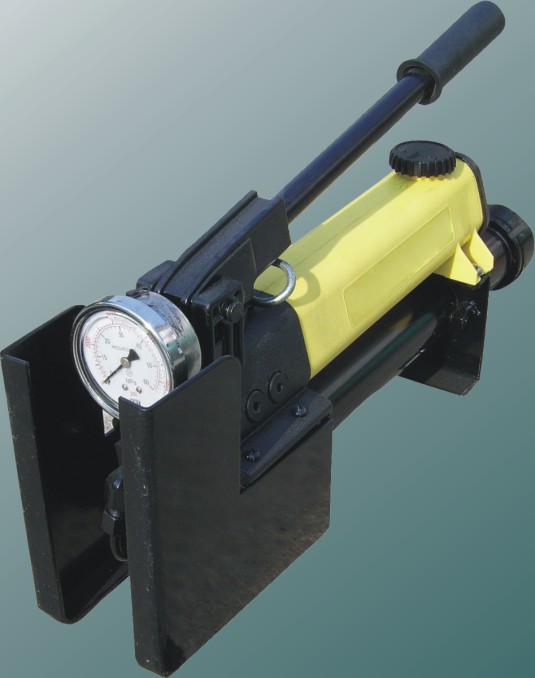
Injection Gun
Kaxite Sealing's Injection Gun is a precision tool designed for seamless application in industrial and DIY projects. Crafted from durable materials with ergonomic design, it ensures effortless control and consistent results. Ideal for professionals and enthusiasts tackling sealing tasks in construction, automotive, or home repairs, it solves messy applications, saving time and materials. The unique push-button mechanism sets it apart from bulkier alternatives, offering smooth operation and minimal waste. Feel confident and efficient with every use—upgrade your toolkit for reliable, professional-grade performance.
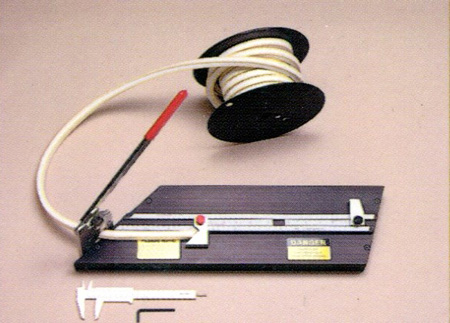
Guillotine Packing Ring Cutter
Introducing Kaxite Sealing's Guillotine Packing Ring Cutter – the ultimate precision tool for effortlessly slicing through packing materials. Crafted with high-quality steel for durable performance, it ensures clean cuts every time, ideal for professionals and DIY enthusiasts. Experience hassle-free efficiency and elevate your projects. Stand out from ordinary cutters with its ergonomic design and reliable results. Trust Kaxite Sealing for superior sealing solutions.
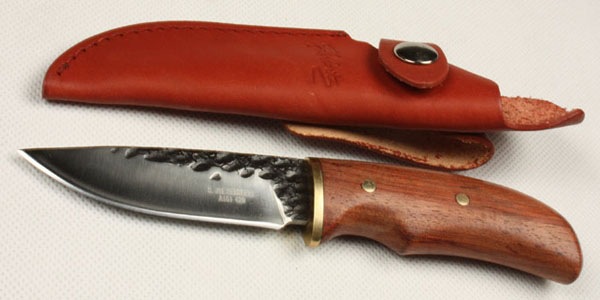
Packing Cutting Knife
Kaxite Sealing's Packing Cutting Knife is the ultimate tool for smooth, effortless package opening. Crafted with durable stainless steel and an ergonomic design, it ensures safety and precision for home or office use. Say goodbye to frustrating tape and boxes, and enjoy a seamless unboxing experience that saves time and eliminates hassle. Its retractable blade and sleek style set it apart. Order now for a reliable cutting solution!
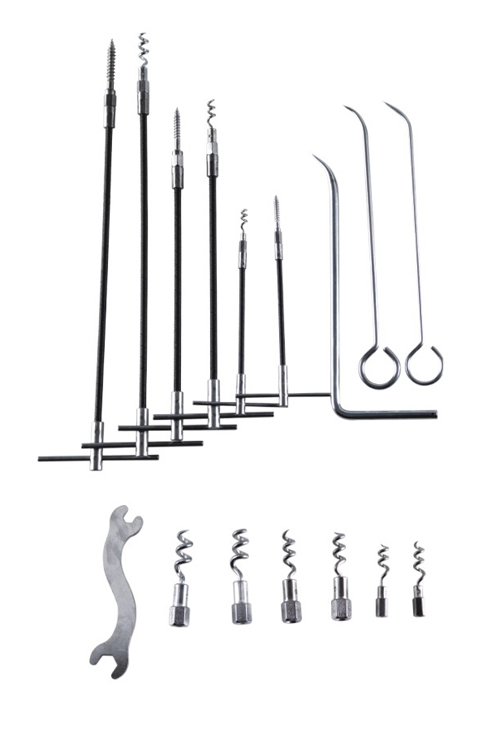
Packing Tool Set
Discover the Kaxite Sealing Packing Tool Set: your ultimate solution for secure, hassle-free packing. Made with durable materials and an ergonomic design, this set offers precise sealing for boxes in homes, offices, or during moves. It solves messy packing woes, giving users confidence and ease. Stand out with its sleek, compact kit and lifetime warranty. Experience the difference today—order now for a limited-time free shipping offer!