
Blog
 06 2026-08
 How do I remove old sealing materials from surfaces?
A practical guide to scraping off and dissolving old caulk, silicone, and adhesive sealants from tiles, glass, and other surfaces to create a clean foundation for new seals.
 29 2026-07
 What is the most cost-effective insulation product?
Discover the best insulation options that balance performance and price. Learn which materials offer the highest energy savings per dollar spent.
 21 2026-07
 Which sealing machine is best for food packaging?
Discover the best sealing machines for food packaging. Compare types, features, and key factors to find the right solution for keeping your products fresh and secure.
 13 2026-07
 What is the cost range for commercial sealing tools?
This article provides an overview of the typical price range for commercial sealing tools, from basic handheld models to advanced industrial systems, along with key factors that influence overall cost.
 03 2026-07
 How do PTFE seals perform in high-temperature applications?
PTFE seals perform exceptionally well in high-temperature conditions, typically handling continuous service up to 260°C and intermittent spikes beyond. They maintain low friction, chemical resistance, and flexibility at elevated temperatures, but their mechanical strength can decrease, requiring careful design or filler reinforcement to prevent creep and ensure long-term reliability.
 25 2026-06
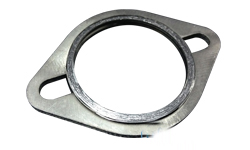
 What are the advantages of inner and outer rings on spiral wound gaskets?
Spiral wound gaskets with inner and outer rings provide enhanced structural integrity, precise centering, blowout resistance, and controlled compression, making them ideal for high-pressure and high-temperature sealing applications.