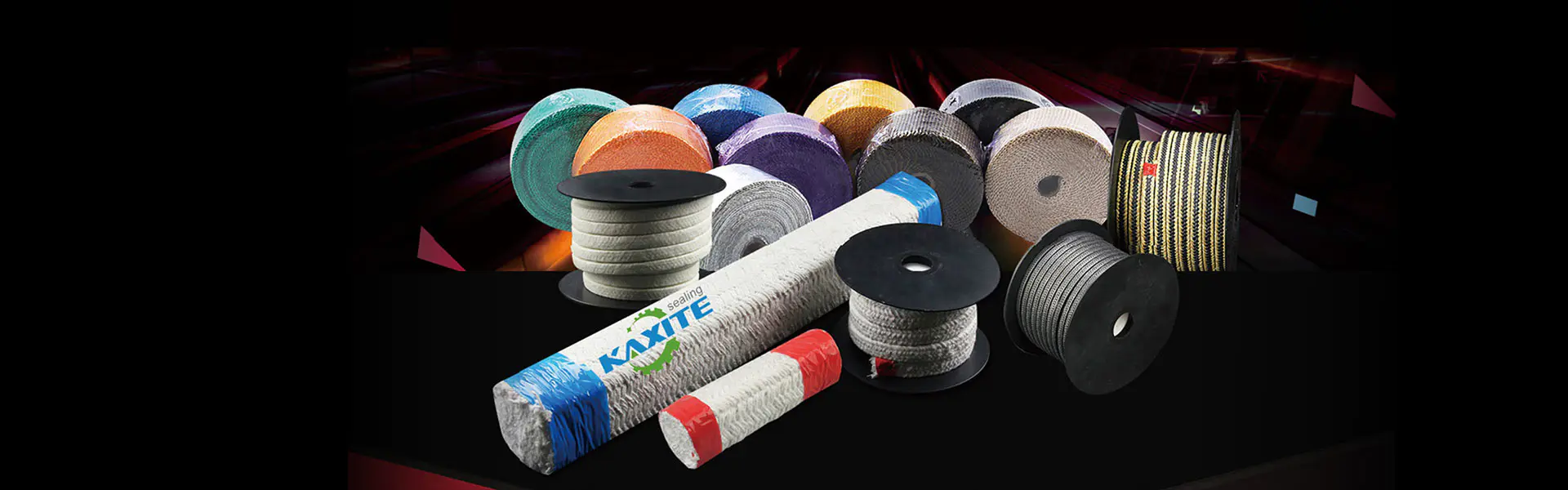
Premium PTFE Parts Manufacturer in China for Industrial Applications
Unmatched Performance with Kaxite Sealing PTFE Parts
In demanding industrial environments where failure is not an option, the selection of sealing and component materials is critical. For over two decades, Kaxite Sealing has been at the forefront of engineering high-performance fluoropolymer solutions. Among these, our PTFE Parts stand as a cornerstone of reliability, offering an exceptional blend of chemical resistance, thermal stability, and low friction that is simply unmatched by conventional materials. Engineered to exacting standards, these components are designed to enhance efficiency, reduce maintenance costs, and ensure long-term operational integrity in the most challenging applications.
Polytetrafluoroethylene, or PTFE, is a synthetic fluoropolymer renowned for its incredible versatility. Its unique molecular structure grants it a set of properties that make it indispensable across aerospace, chemical processing, pharmaceutical, food and beverage, and semiconductor industries. At Kaxite Sealing, we don't just supply raw material; we provide precision-engineered parts—from simple gaskets and seals to complex machined components—that are tailored to meet specific operational challenges and dimensional specifications.
Core Characteristics & Advantages of Our PTFE Components
The superiority of PTFE parts lies in their intrinsic material properties. When you specify Kaxite Sealing PTFE components, you are investing in a solution defined by:
- Exceptional Chemical Inertness: PTFE is virtually unaffected by almost all industrial chemicals, solvents, and aggressive agents, making it ideal for seals and linings in chemical processing equipment.
- Wide Temperature Range: Our parts maintain functionality from cryogenic temperatures as low as -200°C (-328°F) up to a continuous +260°C (+500°F), with short-term peaks even higher.
- Outstanding Non-Stick Properties: The low surface energy of PTFE prevents adhesion of most materials, ensuring clean release and minimizing product buildup, which is crucial in food processing and packaging.
- Remarkably Low Coefficient of Friction: PTFE has the lowest friction coefficient of any known solid, making it perfect for bearings, slide plates, and seals where smooth, unlubricated motion is required.
- Excellent Dielectric Properties: It is a superb electrical insulator across a wide frequency range, even in harsh environments, suitable for wire insulation and electronic components.
- High Purity & Compliance: Our medical and food-grade PTFE compounds meet stringent standards like USP Class VI, FDA CFR 21, and EU 10/2011, ensuring safety in sensitive applications.
Technical Specifications & Product Data
Understanding the precise capabilities of our material is key to proper component selection. Below are the detailed physical, thermal, and mechanical properties of standard Kaxite Sealing virgin PTFE material used in our parts manufacturing.
| Property | Test Method | Typical Value | Units |
|---|---|---|---|
| Density | ASTM D792 | 2.15 - 2.20 | g/cm³ |
| Tensile Strength | ASTM D638 | 25 - 35 | MPa |
| Elongation at Break | ASTM D638 | 300 - 500 | % |
| Compressive Strength | ASTM D695 | 12 | MPa |
| Coefficient of Friction (Dynamic) | ASTM D1894 | 0.04 - 0.10 | - |
| Continuous Service Temperature | - | -200 to +260 | °C |
| Melting Point | - | 327 | °C |
| Dielectric Strength | ASTM D149 | >60 | kV/mm |
| Water Absorption | ASTM D570 | < 0.01 | % |
Our Standard PTFE Parts Product Range
Kaxite Sealing manufactures a comprehensive portfolio of PTFE components. Below is a list of our most commonly supplied parts, all available in various grades (virgin, glass-filled, carbon-filled, bronze-filled, etc.) to enhance specific properties like wear resistance, creep resistance, or thermal conductivity.
- Gaskets & Seals: Sheet-cut gaskets, envelope gaskets, spiral wound gasket filler, O-rings, V-rings, and custom flange seals.
- Bushings & Bearings: Sleeve bushings, flanged bushings, thrust washers, and plain bearings for low-friction rotary or linear motion.
- Machined Components: Precision CNC-machined parts including piston rings, valve seats, bellows, diaphragms, insulators, and custom geometries.
- Sheet, Rod & Tube Stock: Raw semi-finished forms for in-house fabrication or prototyping.
- Expansion Joints & Linings: Fabricated to protect vessels and piping from corrosive media.
Frequently Asked Questions (FAQ) About PTFE Parts
What are the main limitations of PTFE that I should consider in my design?
While PTFE has outstanding chemical and thermal properties, it has a relatively high coefficient of thermal expansion and can be susceptible to creep (cold flow) under sustained heavy loads. For applications with high mechanical stress, we often recommend using filled PTFE compounds from Kaxite Sealing, such as glass or carbon-filled grades, which significantly improve creep resistance and dimensional stability while retaining most of the beneficial properties.
Can Kaxite Sealing PTFE parts be used in applications involving strong oxidizers or alkali metals?
PTFE is highly resistant to most chemicals, but there are exceptions. It can react with certain strong oxidizing agents (e.g., elemental fluorine, chlorine trifluoride) and alkali metals (e.g., molten sodium) at high temperatures. It is crucial to consult with our engineering team about your specific chemical environment. We can also supply PFA or FEP parts for applications requiring slightly different chemical compatibility or melt-processability.
How does filled PTFE differ from virgin PTFE, and how do I choose?
Virgin PTFE offers the highest purity and best overall chemical resistance. Filled PTFE incorporates materials like glass fibers, carbon, graphite, or bronze to enhance specific mechanical properties. For instance, glass filling improves wear resistance and reduces creep; carbon/graphite filling enhances conductivity and further improves wear; bronze filling greatly improves thermal conductivity and load-bearing capacity. The choice depends on whether your priority is wear, load, thermal dissipation, or purity. Kaxite Sealing provides detailed guidance for grade selection.
Are your PTFE parts suitable for food contact and ultra-high purity applications?
Absolutely. Kaxite Sealing offers specific grades of PTFE that are compliant with FDA (CFR Title 21), EU Regulation 10/2011, and are certified to USP Class VI for medical devices. These materials are produced and machined in controlled environments to prevent contamination, making them ideal for pharmaceutical processing, food and beverage equipment, and semiconductor manufacturing where purity is paramount.
What manufacturing processes do you use for custom PTFE parts?
We employ a variety of processes based on the part geometry, quantity, and required properties. These include compression molding and sintering for basic shapes, isostatic molding for complex near-net shapes, and, most commonly for precision parts, CNC machining from molded billets, rods, or sheets. For high-volume components, we also utilize automatic molding techniques. Our engineering team selects the optimal process to ensure cost-effectiveness and performance.
How do I properly install and maintain PTFE seals and gaskets?
PTFE is a soft material. While it has excellent recovery, proper installation is key. Ensure flange faces are clean, smooth, and free of scratches. Use a calibrated torque wrench to achieve the recommended bolt load, avoiding over-tightening which can cause excessive creep and seal failure. For dynamic seals, ensure adequate surface finish on the mating metal parts (typically 0.4 µm Ra or better). PTFE requires minimal maintenance but should be inspected periodically for signs of excessive wear, extrusion, or cold flow, especially in high-pressure cyclic services.
Material Grades & Customization at Kaxite Sealing
Beyond standard virgin PTFE, Kaxite Sealing specializes in engineered compounds to solve specific application challenges. Our expertise allows us to formulate and machine parts from a variety of specialized grades. The following table outlines some of our key filled-PTFE offerings.
| Grade Designation | Primary Filler(s) | Key Enhanced Properties | Typical Applications |
|---|---|---|---|
| KX-PTFE-G25 | 25% Glass Fiber | Wear Resistance, Creep Resistance, Stiffness | Wear pads, bushings, thrust washers, bearing cages |
| KX-PTFE-C20 | 20% Carbon / Graphite | Wear Resistance, Low Friction, Electrical Conductivity | Compressor rings, dynamic seals, conductive components |
| KX-PTFE-B40 | 40% Bronze | Thermal Conductivity, Load Capacity, Creep Resistance | Heavy-duty bearings, heat exchanger components |
| KX-PTFE-MoS2 | 5% Molybdenum Disulfide | Lower Friction, Improved Compression Resistance | Gaskets for high bolt load, static seals |
| KX-PTFE-VIR (Medical) | Virgin, USP Class VI Compliant | Ultra-High Purity, Biocompatibility | Medical device seals, pharmaceutical valves, lab equipment |
Our engineering support team works directly with clients to analyze application requirements, including temperature extremes, pressure cycles, chemical exposure, and regulatory needs. This collaborative approach ensures that every PTFE part from Kaxite Sealing is not just a commodity, but a precision-engineered solution designed for optimal performance and longevity.
- View as

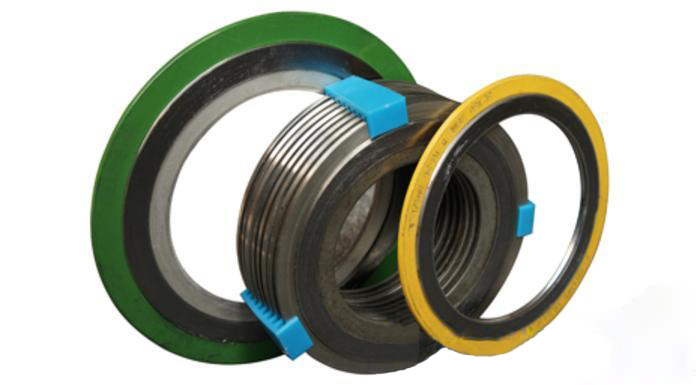
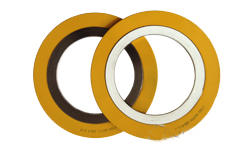
PTFE O-Ring
Kaxite Sealing PTFE O-Ring: the ultimate sealing solution for demanding applications. Its superior chemical resistance, extreme temperature tolerance, and low friction ensure reliable performance in industrial, automotive, and aerospace settings. Unlike standard rubber seals, PTFE offers unmatched durability and minimal maintenance. Experience leak-free confidence and long-lasting efficiency—upgrade your sealing systems today.
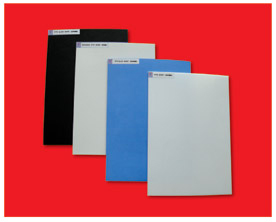
PTFE Modified Material
Kaxite Sealing presents PTFE Modified Material, a high-performance solution for sealing applications. Enhanced with advanced modifications, this material offers superior chemical resistance, durability, and low friction, ensuring reliable performance in demanding environments like industrial machinery and automotive systems. Ideal for engineers and manufacturers seeking long-lasting, cost-effective seals, it reduces maintenance issues and boosts efficiency. Experience peace of mind with its unique blend of toughness and flexibility, setting it apart from standard PTFE. Discover how Kaxite Sealing can transform your operations with quality you can trust.
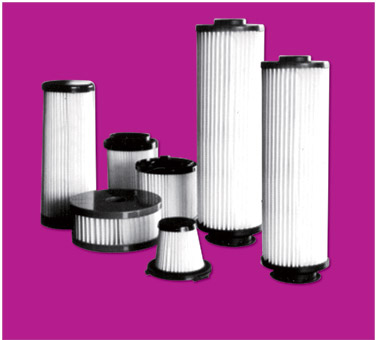
PTFE Micropore Membrance
Discover Kaxite Sealing's PTFE Micropore Membrane: a breathable, durable solution for filtration and separation. Its superior hydrophobicity and chemical resistance make it ideal for industrial and medical uses, offering unmatched efficiency. Experience peace of mind with reduced maintenance. Elevate your projects with our advanced technology today!
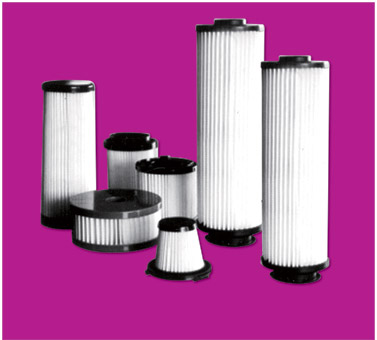
PTFE Micropore Gas
Kaxite Sealing's PTFE Micropore Gas offers superior sealing performance with advanced microporous technology, ideal for demanding industrial applications. This product ensures exceptional durability and chemical resistance, solving leaks and enhancing operational efficiency for engineers and professionals. Its unique design combines reliability with ease of use, delivering peace of mind and lasting performance. Experience the Kaxite Sealing difference today!
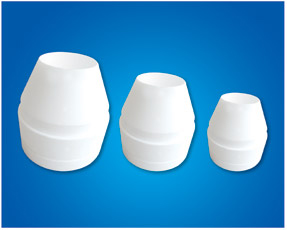
PTFE Accessories For Printing And Dyeing Mechanical Equipments
Enhance your printing and dyeing efficiency with Kaxite Sealing's PTFE accessories for printing and dyeing mechanical equipment. Made from high-quality polytetrafluoroethylene, these durable, non-stick, and corrosion-resistant components reduce downtime and maintenance costs. Ideal for industrial manufacturers seeking reliable, long-lasting solutions that ensure smoother operations and improved productivity, setting them apart with superior performance in harsh conditions.
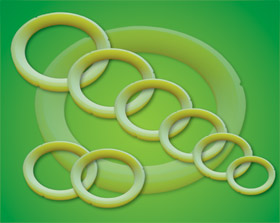
Devlon Ball Valve Seat
Experience superior sealing performance with the Devlon Ball Valve Seat from Kaxite Sealing, designed for durability and efficiency in fluid control systems. Its innovative design and reliable materials ensure long-lasting operation, ideal for industrial professionals seeking enhanced reliability and minimal maintenance.