Factory in China specializing in high-quality glass fiber for industrial applications
What is Glass Fiber and Why Choose Kaxite Sealing Solutions?
In the world of industrial sealing and insulation, Glass Fiber stands as a cornerstone material, renowned for its exceptional thermal, acoustic, and mechanical properties. At Kaxite Sealing, we have harnessed the power of advanced glass fiber technology to engineer sealing solutions that meet the most demanding challenges across diverse industries. Our products are not just materials; they are precisely formulated systems designed for longevity, reliability, and peak performance under extreme conditions. From high-temperature gaskets and seals to robust insulation blankets, Kaxite Sealing's glass fiber composites offer an unparalleled blend of strength, flexibility, and resistance.
Choosing Kaxite Sealing means opting for precision engineering. Our rigorous quality control, from raw material selection to final product testing, ensures every sheet, rope, or custom-formed part delivers consistent, dependable performance. We understand that downtime is costly, which is why our glass fiber products are engineered for durability and stability, providing a sealing solution you can trust for the long haul.
Core Technical Parameters of Kaxite Sealing Glass Fiber Products
Our glass fiber materials are engineered with specific grades to suit various applications. Below are the key parameters that define our premium product range.
Standard Material Grades & Properties
- KX-GF-HT Series: High-temperature grade designed for continuous operation up to 550°C (1022°F). Features low thermal conductivity and excellent thermal shock resistance.
- KX-GF-CS Series: Chemical-resistant grade. Treated with proprietary coatings to withstand exposure to oils, solvents, and most mild acids and alkalis.
- KX-GF-HD Series: High-density, high-compression grade. Ideal for gasketing in flanged connections requiring superior sealing force and load-bearing capability.
- KX-GF-FR Series: Fire-retardant grade. Meets stringent international standards for flame spread and smoke density, essential for maritime and building applications.
Detailed Product Specification Table
| Parameter | KX-GF-HT | KX-GF-CS | KX-GF-HD | KX-GF-FR | Test Standard |
|---|---|---|---|---|---|
| Max Continuous Service Temperature | 550°C / 1022°F | 480°C / 896°F | 500°C / 932°F | 540°C / 1004°F | ASTM C411 |
| Density (Nominal) | 120 kg/m³ | 110 kg/m³ | 180 kg/m³ | 125 kg/m³ | ASTM C167 |
| Tensile Strength | ≥ 85 kPa | ASTM C113 | |||
| Thermal Conductivity @ 200°C | 0.045 W/m·K | 0.048 W/m·K | 0.052 W/m·K | 0.046 W/m·K | ASTM C177 |
| pH Value | 7.5 - 8.5 | 7.0 - 8.0 | 7.5 - 8.5 | 7.0 - 8.0 | ASTM C871 |
| Organic Content | < 5% | < 4% | < 6% | < 3% | ASTM C1184 |
Available Forms & Dimensions
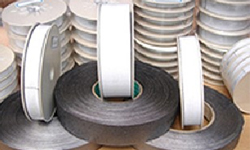
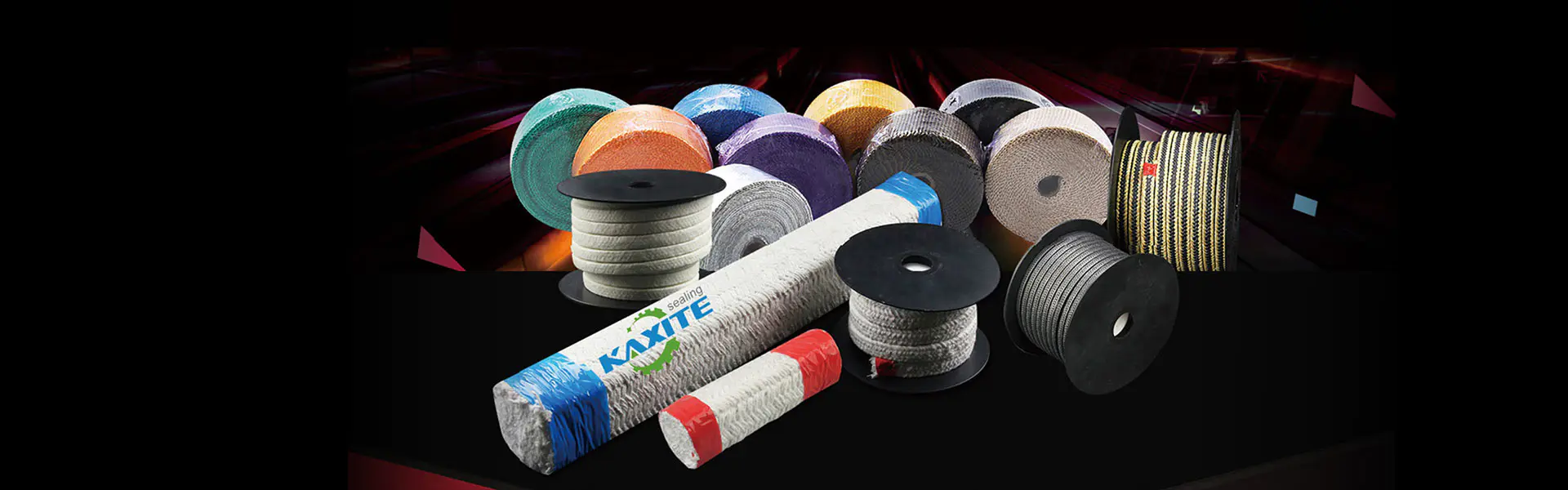
- Sheets & Rolls: Standard thickness from 3mm to 50mm. Widths up to 1200mm. Custom slitting and die-cutting available.
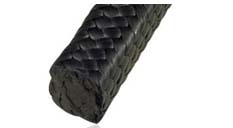
- Ropes & Cords: Diameters ranging from 3mm to 50mm, supplied in continuous lengths or pre-cut packs. Often used for packing and caulking.
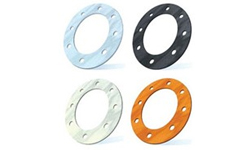
- Custom Molded Parts: Gaskets, washers, and complex shapes manufactured to precise customer drawings and specifications.
- Blankets & Felts: Needled or woven blankets for large-scale insulation projects, available with or without wire mesh or foil facings.
Kaxite Sealing Glass Fiber: Frequently Asked Questions (FAQ)
Material Properties & Selection
Q: What is the primary difference between your KX-GF-HT and KX-GF-FR series?
A: While both are designed for high-temperature environments, the key distinction lies in their certification and reaction to fire. The KX-GF-HT series is optimized for maximum thermal endurance and low conductivity in industrial settings like furnaces and boilers. The KX-GF-FR series incorporates specific fire-retardant additives and binders that allow it to pass stringent flame spread (e.g., ASTM E84) and smoke development tests, making it mandatory for applications in ships, offshore platforms, and commercial buildings where fire safety codes are critical.
Q: Can Kaxite Sealing glass fiber be used for sealing in chemical processing environments?
A: Yes, specifically our KX-GF-CS series. This grade is manufactured with a carefully selected binder system and, in many cases, an additional surface treatment that provides enhanced resistance to a wide range of chemicals, including hydrocarbons, glycols, and mild acidic/alkaline solutions. It is crucial, however, to consult our technical datasheets or contact our engineering team with the specific chemical media, concentration, and temperature to confirm compatibility and long-term performance.
Q: How does the density of the glass fiber affect its performance as a gasket material?
A: Density is a critical factor influencing sealing performance, compressibility, and recovery. Lower-density materials (like our KX-GF-HT) are more compressible and excellent for filling irregular gaps and providing thermal insulation. Higher-density materials (like our KX-GF-HD) offer greater structural integrity, higher compressive strength, and better resistance to blow-out under high internal pressure in flanged connections. They provide a more robust, load-bearing seal but may require higher bolt torque.
Installation & Handling
Q: What precautions should be taken when handling and installing glass fiber materials?
A: Standard industrial hygiene practices are recommended. While our glass fiber is bonded with resins that minimize fiber release, we advise wearing appropriate PPE such as gloves and long sleeves to prevent temporary skin irritation. In confined spaces or during cutting/sanding operations that may generate dust, using a NIOSH-approved dust mask (N95) and safety glasses is recommended. Ensure good ventilation. The material itself is non-toxic and does not contain asbestos.
Q: Can I cut and fabricate Kaxite Sealing glass fiber sheets on-site?
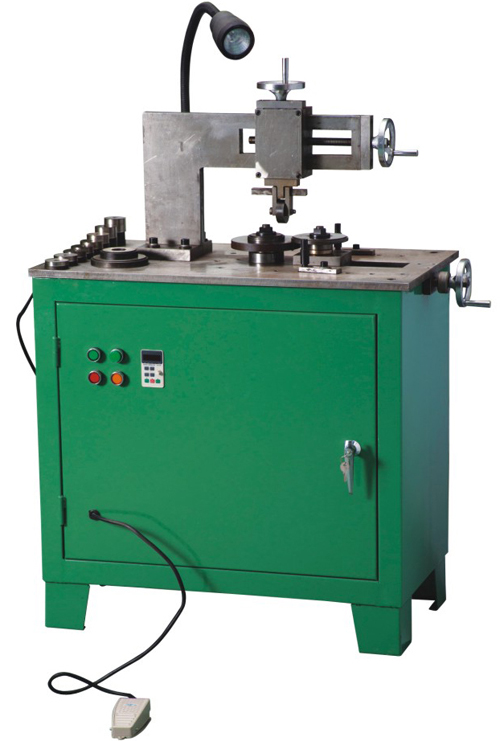
A: Absolutely. Our materials are designed for easy fabrication. Sheets can be cleanly cut with sharp knives, utility blades, or scissors. For thicker sheets or production runs, band saws or die-cutting presses yield excellent results. For precise, complex shapes, we highly recommend utilizing our custom fabrication service to ensure dimensional accuracy and edge integrity, which is vital for optimal sealing performance.
Q: How should glass fiber gaskets be stored before use?
A: Store in a cool, dry, and clean environment away from direct sunlight, moisture, and excessive heat. Keep the material in its original packaging until ready for use to prevent contamination from dust, oils, or other substances that could compromise the sealing surface. Do not place heavy objects on top of stored sheets to prevent permanent compression.
Performance & Applications
Q: What is the expected service life of a Kaxite glass fiber gasket?
A: Service life is highly application-dependent, influenced by temperature cycles, media, compressive load, and flange condition. Under standard conditions within its rated temperature and chemical compatibility range, a Kaxite Sealing glass fiber gasket can provide reliable service for multiple years. Its inorganic glass composition ensures it does not dry out, harden, or become brittle like some organic materials, leading to longer maintenance intervals.
Q: In which industries are Kaxite Sealing glass fiber products most commonly applied?
A: Our products serve a vast array of sectors. Key industries include: Power Generation (turbine insulation, boiler seals), Petrochemical & Refining (flange gaskets, heat exchanger insulation), Marine & Offshore (engine room insulation, fireproof sealing), Industrial Manufacturing (furnace doors, oven seals, expansion joints), and HVAC (duct insulation, acoustic lining).
Q: Can glass fiber be combined with other materials, such as metal wire or foil, for enhanced performance?
A: Yes, at Kaxite Sealing, we offer numerous composite solutions. Common combinations include laminating glass fiber with stainless steel wire mesh for added tear resistance and handling strength, or with aluminum foil for enhanced moisture barrier and reflective insulation properties. We can also combine different densities or grades of glass fiber within a single product to create a multi-functional sealing element.
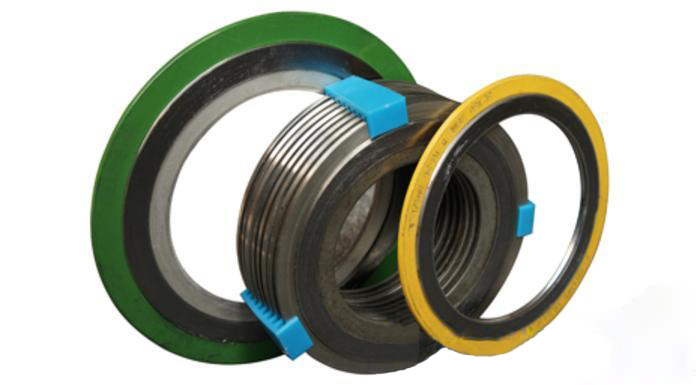
- View as
Glass Fiber Yarn
Discover Kaxite Sealing's Glass Fiber Yarn—a premium, durable yarn ideal for industrial sealing and insulation. Its superior strength, heat resistance, and consistent quality ensure reliability in demanding applications like automotive and construction. Perfect for engineers seeking enhanced performance, it offers peace of mind through efficient solutions. Stand out with Kaxite Sealing's innovation and trust in long-lasting results.
Glass Fiber Tapes
Discover Kaxite Sealing's Glass Fiber Tapes: Durable, high-strength tapes for seamless sealing and reinforcement in construction and DIY projects. Our tapes offer superior adhesion, flexibility, and resistance to extreme conditions, making them ideal for professionals and homeowners tackling repairs or installations. Experience lasting reliability that solves common leakage and bonding issues—unique in their advanced fiber composition. Trust Kaxite Sealing for quality you can count on.
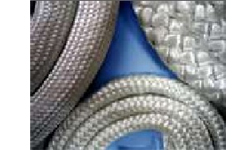
Glass Fiber Rope
Kaxite Sealing's Glass Fiber Rope is a premium, high-strength sealant designed for industrial and home use, ensuring durable leak protection. Its glass fiber core offers superior heat and chemical resistance, outperforming alternatives, ideal for DIYers and professionals in tough sealing tasks. Experience worry-free durability and efficiency—trust Kaxite Sealing for reliable, long-lasting solutions.
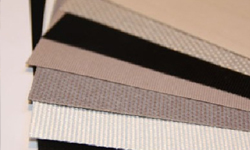
Glass Fiber Cloth
Kaxite Sealing's Glass Fiber Cloth is a durable, high-performance material perfect for sealing and reinforcement in industrial and DIY projects. Made from premium glass fibers, it offers superior strength, heat resistance, and easy application, ideal for professionals and DIY enthusiasts tackling demanding tasks. Experience reliable protection and peace of mind with this unique, cost-effective solution that sets new standards in durability and efficiency—trust Kaxite Sealing for quality you can count on.
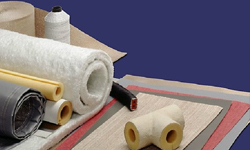
Glass Fiber Blankets
Kaxite Sealing Glass Fiber Blankets provide outstanding insulation and durability for industrial and residential applications. Made from high-quality materials, they offer superior heat resistance, energy efficiency, and easy installation. Ideal for HVAC systems, construction projects, and home improvements. Experience enhanced comfort, safety, and cost savings.
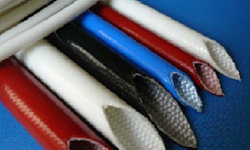
Glass Fiber Sleeving
Kaxite Sealing's Glass Fiber Sleeving is the ultimate solution for high-temperature insulation and wear resistance in demanding industrial and automotive applications. Made from premium glass fibers, it offers superior durability, flexibility, and heat protection, ensuring your equipment operates safely and efficiently. Ideal for engineers, DIY enthusiasts, and anyone needing reliable shielding—it transforms complex wiring and tubing into sleek, secure setups. Experience peace of mind with unmatched quality and performance, setting a new standard in the market. Upgrade today for lasting reliability!