High-Quality Ring Joint Gaskets Factory in China for Industrial Equipment Suppliers
Ring Joint Gaskets(RTJ Gaskets): The Ultimate Sealing Solution for Critical Applications
In the demanding world of high-pressure and high-temperature industrial sealing, few components are as critical and reliable as the Ring Joint Gaskets (RJGs). For over two decades, Kaxite Sealing has been at the forefront of engineering and manufacturing these precision seals, providing unmatched safety and performance for industries where failure is not an option. Unlike flat gaskets or spiral wounds, a ring joint gasket is a solid, metallic ring designed to be compressed into a matching groove in flanges, creating a tight, pressure-energized seal. This article delves deep into the specifications, selection, and application of these vital components, showcasing why Kaxite Sealing is the trusted partner for engineers worldwide.
Understanding Ring Joint Gasket Design and Function
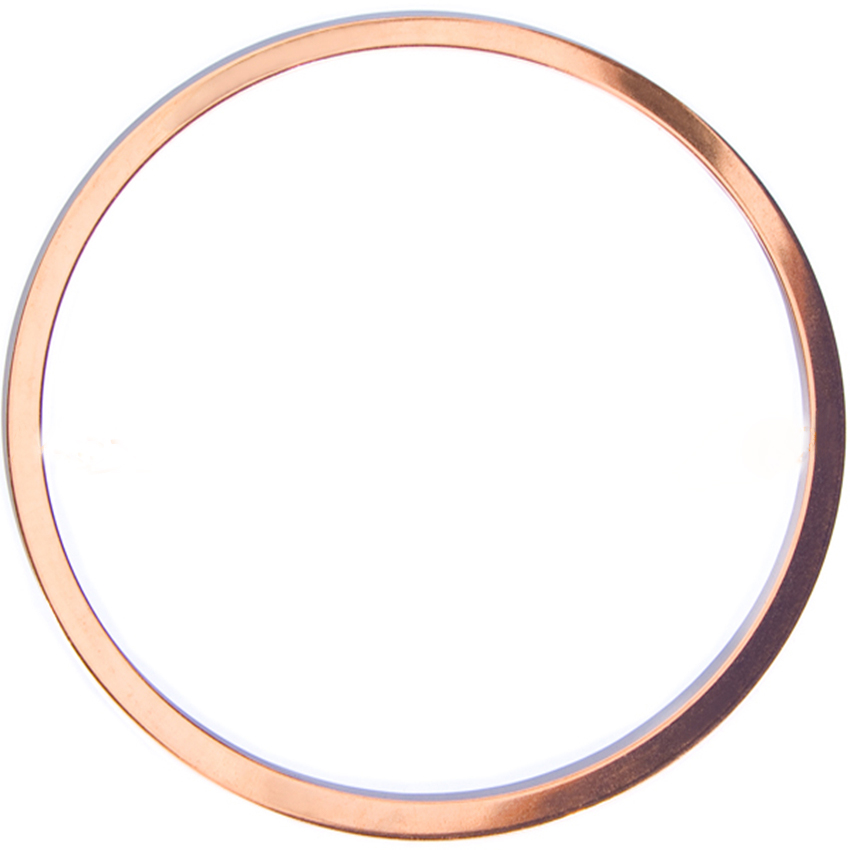
The effectiveness of a ring joint gasket lies in its simple yet robust principle. The gasket, typically with an oval or octagonal cross-section, sits in a machined groove on the flange faces. When the flanges are bolted together, the gasket is compressed, causing the soft metal to flow and fill any imperfections in the groove, creating a leak-proof, metal-to-metal seal. This design makes them ideal for:
- Extremely high-pressure piping and vessel systems (ASME B16.5, B16.47).
- High-temperature applications where non-metallic gaskets would degrade.
- Critical service involving flammable, toxic, or expensive fluids.
- Subsea and offshore oil & gas equipment.
- Refinery, petrochemical, and power generation processes.
Kaxite Sealing manufactures ring joint gaskets to exacting international standards, ensuring compatibility and reliability in global projects.
Detailed Product Parameters and Specifications
Selecting the correct ring joint gasket requires careful attention to its parameters. Kaxite Sealing provides a comprehensive range tailored to meet specific pressure classes, temperatures, and media compatibility.
1. Standard Types and Profiles
Kaxite Sealing produces gaskets in two primary profiles as per API 6A and ASME B16.20:
- R (Oval): The original style with an oval cross-section. Effective but requires higher bolt load for initial sealing.
- RX: A pressure-energized version of the oval ring. Its modified shape provides better sealing at lower bolt loads and can accommodate some flange rotation.
- BX: An octagonal cross-section ring. It provides superior sealing performance for the most extreme pressures and is standard for API 6BX wellhead and christmas tree equipment.
2. Material Grades and Specifications
The material selection is paramount for corrosion resistance and performance. Kaxite Sealing offers a wide array of materials compliant with ASTM/ASME standards.
| Material Grade (ASTM) | Common Name | Hardness (Brinell Typical) | Temperature Range | Primary Application & Resistance |
|---|---|---|---|---|
| Soft Iron (AISI 1000 series) | Soft Iron | 90 Max | -20°F to 800°F (-29°C to 427°C) | Standard for oil, gas, steam. Good deformability. |
| 304 / 304L | Stainless Steel 304 | 160-190 | -425°F to 1500°F (-254°C to 816°C) | General corrosion resistance, chemical processes. |
| 316 / 316L | Stainless Steel 316 | 160-190 | -425°F to 1500°F (-254°C to 816°C) | Superior chloride and acid resistance. |
| Alloy 20 | Carpenter 20 | 150-190 | -325°F to 1000°F (-198°C to 538°C) | Excellent sulfuric acid resistance. |
| Monel 400 | Monel | 120-180 | -325°F to 1000°F (-198°C to 538°C) | Marine, hydrofluoric acid, caustic solutions. |
| Inconel 600 / 625 | Inconel | 150-220 | -425°F to 2000°F (-254°C to 1093°C) | High-temperature oxidation, chlorine environments. |
| Titanium Gr.2 | Titanium | 120-200 | -320°F to 600°F (-196°C to 316°C) | Severe corrosive services, seawater. |
Note: Kaxite Sealing can supply gaskets in other specialized alloys like Hastelloy, Duplex, and 6% Moly steels upon request.
3. Pressure Class and Size Range
Kaxite Ring Joint Gaskets are manufactured for standard flange pressure classes and nominal pipe sizes (NPS).
| Flange Standard | Pressure Class (ASME/API) | Available NPS Range | Corresponding Ring Number (Example) |
|---|---|---|---|
| ASME B16.5 / B16.47 | 150, 300, 400, 600, 900, 1500, 2500 | 1/2" to 60" | R21, R23, R25, etc. |
| API 6A / 6BX | 2000, 3000, 5000, 10000, 15000, 20000 psi | 1-13/16" to 21-1/4" (Nominal Bore) | BXR-101, BX-151, etc. |
| MSS SP-44 / API 605 | 150, 300, 400, 600, 900 | 12" to 60" | R71, R72, etc. |
Each ring number corresponds to precise dimensions (Pitch Diameter, Width, Height) defined by the standard. Kaxite Sealing maintains CNC machining to ensure every gasket meets these dimensional tolerances perfectly.
Kaxite Sealing's Manufacturing and Quality Assurance
Our reputation is built on precision and reliability. Every Kaxite ring joint gasket undergoes a rigorous process:
- Material Certification: All raw materials come with full Material Test Reports (MTRs) traceable to the melt.
- Precision Machining: State-of-the-art CNC lathes and machining centers ensure dimensional accuracy per API/ASME standards.
- Surface Finish: Critical sealing surfaces are finely machined to a smooth finish (typically 63 µ-in or better) to facilitate proper metal flow and sealing.
- Heat Treatment: Applied where necessary to achieve specified hardness and material properties.
- 100% Dimensional Inspection: Every gasket is inspected using calibrated micrometers, gauges, and optical comparators.
- Traceability: Each gasket is marked with material grade, size, and a unique heat number for full traceability.
- Certification: We provide certified test reports and can supply gaskets meeting NACE MR0175/ISO 15156 for sour service.
Ring Joint Gaskets: Frequently Asked Questions (FAQ)
Q: Can a ring joint gasket be reused?
A: It is generally not recommended to reuse a ring joint gasket. During initial bolting, the soft metal deforms ("flows") to conform to the flange groove, creating a custom seal. Removing it disturbs this formed shape. Reusing it may not allow the metal to flow correctly a second time, significantly increasing the risk of a leak. Kaxite Sealing always advises using a new, unused gasket for critical joint integrity.
Q: How do I identify the correct ring joint gasket for my flange?
A: Identification requires three key pieces of information: 1) The flange standard (e.g., ASME B16.5, API 6A). 2) The flange's nominal pipe size (NPS) and pressure class (e.g., 10" Class 600). 3) The ring groove number, which is often stamped on the flange face (e.g., R45). This number corresponds to a specific set of dimensions. Our technical team at Kaxite Sealing can assist with identification if this information is available from your flange.
Q: What is the difference between an R-style and an RX-style ring joint gasket?
A: The R-style (oval) is the basic form. The RX-style is a pressure-energized modification of the oval ring. Its geometry allows it to seal more effectively with lower initial bolt torque and provides some resilience against flange rotation or separation under internal pressure. For new installations, RX rings are often preferred where specifications allow. However, they are not interchangeable with standard R grooves without modifying the flange.
Q: What causes a ring joint gasket to leak?
A: Leaks can occur due to several reasons: Incorrect gasket material selection for the service (causing corrosion or embrittlement); improper installation (under or over-torquing bolts); damage to the gasket sealing surfaces (nicks, scratches) or the flange groove; using the wrong ring type/size; reusing a gasket; or excessive flange misalignment. Using a precision-manufactured gasket from Kaxite Sealing and following proper installation procedures are the best ways to prevent leaks.
Q: How do I properly install a ring joint gasket?
A: Proper installation is critical. Clean the flange groove and gasket thoroughly with a non-metallic brush and solvent. Apply a thin film of anti-seize or moly-based lubricant to the gasket and bolt threads to ensure even loading. Carefully position the gasket in the groove. Install and hand-tighten bolts. Follow a cross-pattern bolting sequence, tightening in multiple incremental steps (e.g., 30%, 60%, 100%) to the specified torque value to ensure uniform compression. Always refer to the equipment manufacturer's or engineering procedure for the final torque specification.
Q: Why choose Kaxite Sealing for ring joint gaskets?
A: Kaxite Sealing combines two decades of metallurgical expertise with precision manufacturing. We don't just supply a commodity; we provide a certified, high-integrity sealing component backed by full material traceability and rigorous quality control. Our technical support team helps in material selection and troubleshooting. We offer a broad inventory of standard sizes and materials, along with the capability to produce custom or non-standard rings quickly, ensuring you get the right seal for your critical application without compromise.
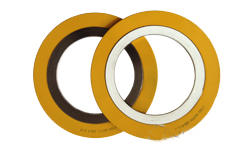
- View as
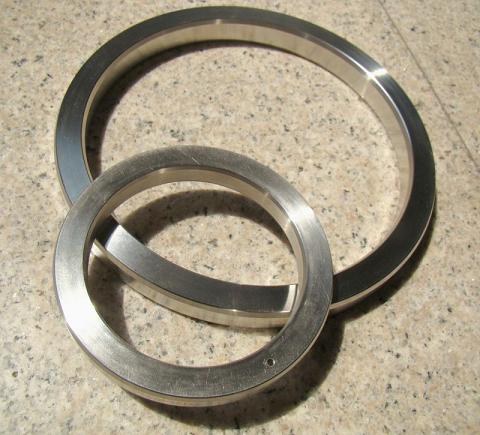
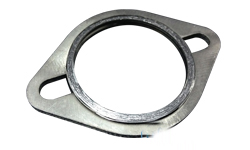
API Ring Joint Type Gasket
Introducing the API Ring Joint Type Gasket from Kaxite Sealing, the reliable sealing solution for high-pressure applications in oil, gas, and industrial systems. Engineered with premium materials and precision design, it ensures tight seals, durability, and enhanced safety. Ideal for engineers and industries seeking trustworthy performance, this gasket prevents leaks and boosts efficiency, delivering peace of mind and seamless operation. Choose Kaxite Sealing for superior quality and confidence in every connection.
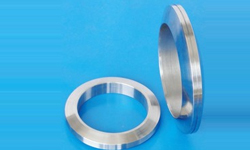
Lens Ring Joint Gasket
Discover the ultimate sealing solution with Kaxite Sealing's Lens Ring Joint Gasket. This high-performance gasket ensures a perfect seal in demanding applications, featuring durable materials and innovative design for superior reliability. Ideal for industrial and mechanical setups, it prevents leaks and enhances system efficiency, giving users peace of mind and long-term cost savings. Stand out with its exceptional precision and resilience over competitors, making it the smart choice for professionals who value quality and performance.
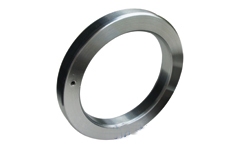
BX Ring Joint Gasket
Kaxite Sealing's BX Ring Joint Gasket is a premium sealing solution, expertly crafted to ensure unmatched durability and leak-proof performance in high-pressure industrial applications. Ideal for energy and chemical sectors, it delivers reliable protection, reducing downtime and enhancing safety, while its superior design outlasts competitors, giving you peace of mind and operational efficiency.
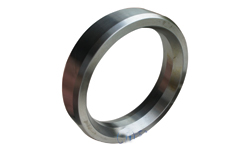
RX Ring Joint Gasket
Discover the RX Ring Joint Gasket from Kaxite Sealing, crafted for superior sealing in high-pressure industrial applications. Its innovative design ensures leak-proof performance, enhancing safety and efficiency—ideal for engineers and professionals in oil, gas, and manufacturing. Experience unmatched reliability and peace of mind, setting it apart from competitors. Upgrade your systems today for lasting protection and confidence in every connection.
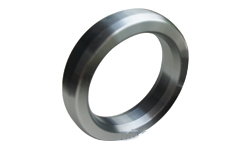
Octagonal Ring Joint Gasket
Kaxite Sealing's Octagonal Ring Joint Gasket offers superior leak prevention for high-pressure systems, crafted from durable materials that withstand extreme conditions. Its unique octagonal design ensures a secure fit, ideal for industrial and automotive applications where reliability is paramount. Experience peace of mind with this innovative solution that outshines competitors, delivering unmatched performance and long-term cost savings. Trust Kaxite Sealing for your sealing needs.
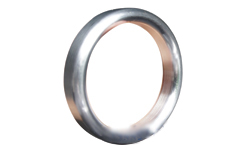
Oval Ring Joint Gasket
The Oval Ring Joint Gasket from Kaxite Sealing is a high-performance sealing solution designed for critical industrial applications, ensuring leak-free connections in high-pressure systems. Its oval shape provides superior sealing capability, made from durable materials that resist extreme temperatures and corrosion. Ideal for engineers and maintenance professionals in oil, gas, and chemical industries, this gasket enhances safety and efficiency, reducing downtime and operational risks. Unlike standard gaskets, its unique design allows for better fit and longer lifespan, offering peace of mind through reliable performance. Trust Kaxite Sealing for premium quality that boosts productivity and protects your assets.