Top Quality PTFE Gaskets Supplier in China for Industrial Applications
Understanding PTFE Gaskets: The Ultimate Sealing Solution
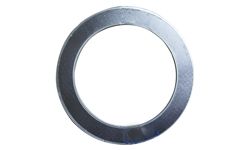
In the demanding world of industrial sealing, reliability and chemical resistance are paramount. PTFE Gaskets stand at the forefront, offering unparalleled performance in the most challenging environments. As a material, Polytetrafluoroethylene (PTFE) is renowned for its exceptional properties, making it the go-to choice for critical applications across numerous sectors, from pharmaceuticals and chemical processing to food & beverage and semiconductor manufacturing. Kaxite Sealing has dedicated decades to mastering the formulation and fabrication of high-performance PTFE gaskets, providing engineers and maintenance professionals with sealing solutions they can trust implicitly.
The core advantage of PTFE lies in its inertness. It is virtually unaffected by aggressive chemicals, solvents, and acids, ensuring long-term integrity where other materials would rapidly degrade. Furthermore, its wide operational temperature range, excellent electrical insulation properties, and natural anti-stick characteristics make it incredibly versatile. At Kaxite Sealing, we don't just supply generic PTFE gaskets; we engineer them. Our process begins with selecting premium, high-purity PTFE resins and employs advanced machining and molding techniques to produce gaskets with precise dimensional tolerances and consistent, reliable sealing faces.
Key Specifications and Material Properties of Kaxite Sealing PTFE Gaskets
Selecting the correct gasket requires a deep understanding of its technical capabilities. Below are the critical parameters that define the performance envelope of our PTFE Gaskets.
- Chemical Resistance: Excellent resistance to virtually all industrial chemicals, strong acids, bases, and solvents. Exceptionally resistant to corrosive media like chlorine, hydrogen peroxide, and aqua regia.
- Temperature Range: Suitable for continuous service from -200°C (-328°F) to +260°C (+500°F). Short-term peaks can be tolerated up to 300°C (572°F) depending on pressure and media.
- Pressure Rating: Performance is temperature-dependent. Recommended for sealing pressures up to 200 bar (2900 psi) at ambient temperatures, with reduced ratings at elevated temperatures.
- FDA & USP Class VI Compliance: Specific grades of our PTFE are compliant with FDA regulations and USP Class VI standards, making them ideal for pharmaceutical, food, and beverage applications.
- Thermal Conductivity: Low thermal conductivity, providing good insulation properties.
- Coefficient of Friction: Extremely low, providing natural lubricity and anti-stick properties, which prevents gasket adhesion to flanges.
- Dielectric Strength: High dielectric strength, making it an excellent electrical insulator.
Detailed Product Data Sheet: Kaxite Sealing Standard PTFE Gasket Formulations
To aid in precise material selection, the following table compares the properties of our standard virgin PTFE with two of our most popular enhanced formulations.
| Property | Test Method | Virgin PTFE (KX-PTFE-V) | Glass-Filled PTFE (KX-PTFE-G25) | Carbon-Filled PTFE (KX-PTFE-C20) |
|---|---|---|---|---|
| Tensile Strength | ASTM D638 | 25 MPa (3625 psi) | 17 MPa (2465 psi) | 16 MPa (2320 psi) |
| Elongation at Break | ASTM D638 | 300% | 200% | 150% |
| Compressive Strength | ASTM D695 | 12 MPa (1740 psi) | 45 MPa (6525 psi) | 40 MPa (5800 psi) |
| Coefficient of Linear Thermal Expansion | ASTM D696 | 12 x 10-5/°C | 5 x 10⁻⁵/°C | 4 x 10⁻⁵/°C |
| Thermal Conductivity | ASTM C177 | 0.25 W/m·K | 0.35 W/m·K | 0.40 W/m·K |
| Specific Gravity | ASTM D792 | 2.15 - 2.20 | 2.20 - 2.30 | 1.95 - 2.05 |
| Primary Advantage | - | Ultimate chemical purity, flexibility | Improved creep resistance, wear resistance | Superior thermal conductivity, reduced deformation under load |
| Typical Application | - | Ultra-pure systems, severe corrosion | Heat exchangers, pumps, compressors | Chemical reactors, high-load static seals |
PTFE Gaskets: Frequently Asked Questions (FAQ)
Q: What are the main limitations of standard virgin PTFE gaskets?
A: While virgin PTFE offers excellent chemical resistance, it has a tendency to cold flow or creep under sustained pressure and at elevated temperatures. This can lead to a reduction in sealing stress over time, potentially causing leaks. For applications with high bolt load or temperatures above 150°C (302°F), Kaxite Sealing often recommends filled PTFE grades (like glass or carbon) which exhibit significantly improved creep resistance and dimensional stability.
Q: Can PTFE gaskets be used for steam service?
A: Yes, PTFE gaskets are suitable for saturated steam service within their temperature rating. For low-pressure steam lines, virgin PTFE performs well. For higher-pressure steam applications, a filled PTFE compound from Kaxite Sealing is recommended due to its better resistance to deformation. It is crucial to ensure the operating temperature does not exceed the continuous service limit of the specific PTFE grade selected.
Q: How do I choose between Virgin, Glass-Filled, and Carbon-Filled PTFE?
A: The choice depends on your application's priority. Choose Virgin PTFE (KX-PTFE-V) for maximum chemical purity and flexibility in highly corrosive, contaminant-sensitive processes. Opt for Glass-Filled PTFE (KX-PTFE-G25) when you need enhanced resistance to deformation (creep), better wear characteristics, and higher compressive strength for dynamic or high-load static seals. Select Carbon-Filled PTFE (KX-PTFE-C20) for superior thermal conductivity, excellent creep resistance, and added lubrication in applications involving heat transfer or where galvanic corrosion is a concern.
Q: Are PTFE gaskets reusable?
A: PTFE gaskets are generally not designed to be reusable in critical sealing applications. Once compressed during installation, the material undergoes permanent deformation to conform to the flange surface. Reusing a gasket can compromise the seal integrity because the material may not be able to rebound to create an effective seal a second time. Kaxite Sealing always recommends using a new gasket during any flange reassembly to ensure leak-free performance.
Q: What flange surface finish is recommended for PTFE gaskets?
A: A smooth flange surface finish is ideal for PTFE gaskets. A finish between 125 and 250 microinches Ra (3.2 to 6.3 µm Ra) is typically recommended. Excessively rough finishes can accelerate wear and cause difficulty in sealing, while mirror-finish surfaces may not provide enough "bite" for the gasket to grip. Proper flange alignment and flatness are equally critical to prevent localized over-stress and potential gasket failure.
Q: How does Kaxite Sealing ensure the quality of its PTFE gaskets?
A> Kaxite Sealing implements a rigorous quality management system. We start with certified, traceable raw materials. Our manufacturing processes, including CNC machining, skiving, and molding, are performed in controlled environments with state-of-the-art equipment. Every production batch undergoes stringent quality checks, including dimensional verification per ASME B16.21 or customer drawings, visual inspection for flaws, and material certification. For critical applications, we can provide material test reports and sample testing to meet specific customer requirements.
Installation Guidelines for Optimal Performance
Proper installation is as crucial as selecting the right gasket material. Incorrect installation is a leading cause of seal failure. Follow these key steps for installing Kaxite Sealing PTFE Gaskets:
- Inspection: Thoroughly clean both flange faces, removing all old gasket material, rust, and debris. Inspect flanges for scratches, gouges, or warpage. Ensure the new PTFE gasket is clean, undamaged, and the correct size and type for the application.
- Alignment: Carefully align the pipe flanges without using excessive force. Misalignment creates uneven loading on the gasket, leading to leaks.
- Positioning: Place the gasket centered on the flange face. For raised face flanges, ensure the gasket sits within the inner diameter of the bolts.
- Bolting: Use clean, lubricated bolts and nuts of the correct grade. Follow a cross-pattern tightening sequence (e.g., star pattern) in multiple stages (typically 30%, 60%, and 100% of the final torque value) to apply even compression across the entire gasket face. Never use impact wrenches for the final tightening stage.
- Torque: Adhere strictly to the recommended bolt torque values provided by the equipment manufacturer or based on ASME guidelines. Over-torquing can cause PTFE to cold flow excessively or crack, while under-torquing will not develop sufficient sealing stress.
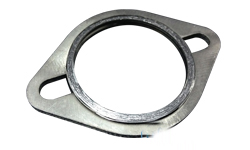
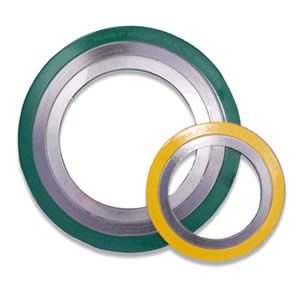
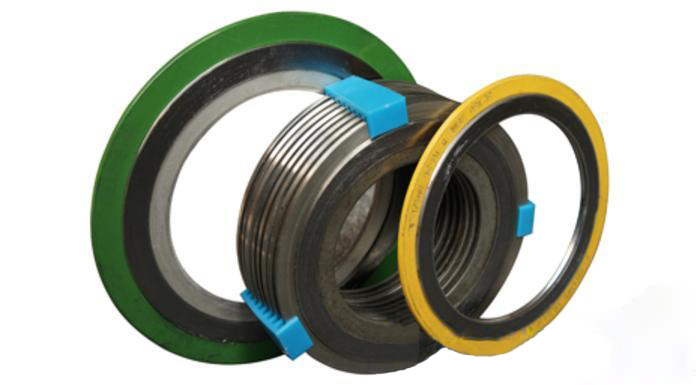
- View as

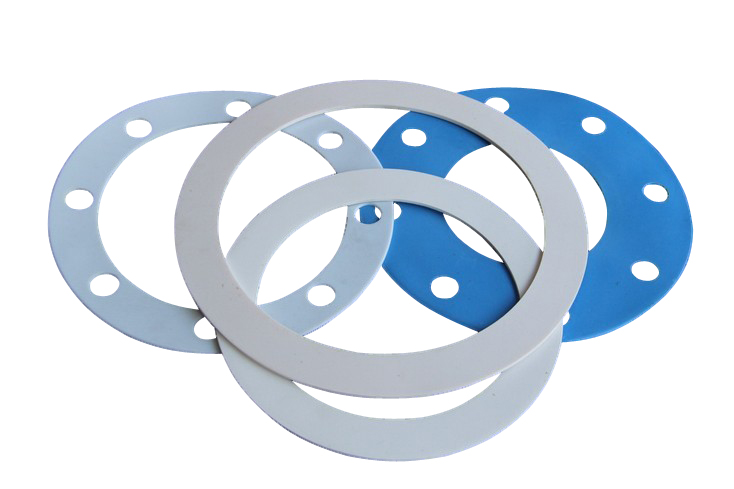
PTFE Gasket
Discover Kaxite Sealing’s PTFE Gasket, a premium sealing solution designed for durability and reliability. Crafted from high-quality PTFE material, it excels in chemical resistance and long-term performance, ideal for industrial and automotive applications. This gasket prevents leaks, ensures safety, and reduces maintenance costs, offering peace of mind to engineers and professionals. With superior sealing technology and easy installation, it stands out from competitors. Experience enhanced efficiency and reliability—choose Kaxite Sealing today for your sealing needs.
Modified PTFE Gasket
Discover Kaxite Sealing's Modified PTFE Gasket, a durable sealing solution ideal for industrial and chemical applications. With enhanced material stability and resistance to extreme temperatures and corrosive substances, this gasket ensures reliable performance for engineers and professionals. It solves leakage issues, providing peace of mind and efficiency. Our uniquely modified formulation offers superior longevity compared to standard PTFE options. Trust Kaxite Sealing for quality-sealed confidence in every use.
Expanded PTFE Gasket
Discover the Kaxite Sealing Expanded PTFE Gasket, a premium sealing solution engineered for durability and reliability in demanding industrial applications. Made from high-quality expanded PTFE, it offers superior chemical resistance, flexibility, and a tight seal to prevent leaks, ideal for engineers and maintenance professionals in sectors like oil and gas, pharmaceuticals, and food processing. Experience peace of mind with enhanced safety and efficiency, setting it apart with its exceptional performance and long-lasting design. Trust Kaxite Sealing for top-tier sealing products that deliver results.
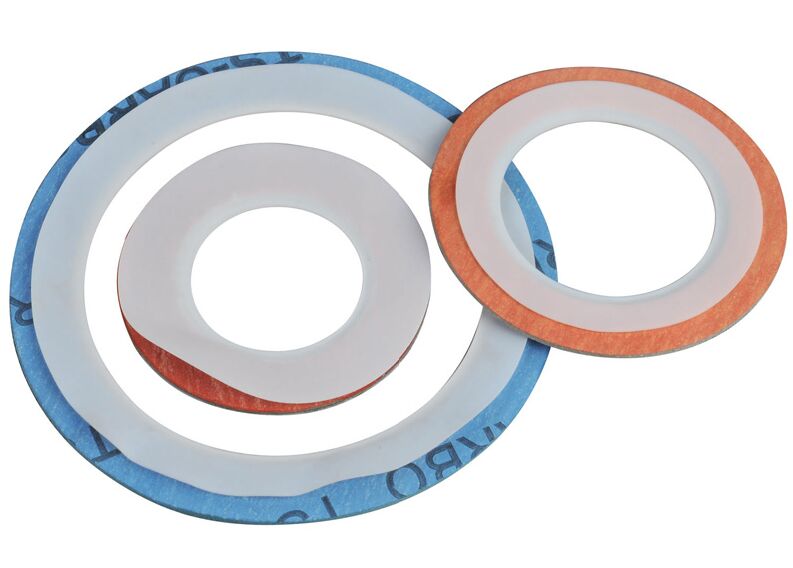
PTFE Envelope Gasket
Experience unmatched sealing reliability with Kaxite Sealing's PTFE Envelope Gasket. This high-performance gasket excels in demanding applications, offering superior chemical resistance, durability, and a tight seal to prevent leaks. Ideal for industries like chemical processing and food production, it solves critical sealing challenges with ease. Its unique design enhances efficiency and longevity, giving users peace of mind and reduced downtime. Trust Kaxite Sealing for a solution that stands out from the competition.

Pure PTFE Gasket
Kaxite Sealing's Pure PTFE Gasket offers superior sealing for demanding industrial applications, made from high-purity PTFE for excellent chemical resistance and durability. Its non-stick surface ensures easy maintenance and prevents leaks, making it ideal for engineers and manufacturers in chemical, pharmaceutical, and food processing. Experience peace of mind with reliable performance that outlasts competitors, backed by our quality commitment.