English
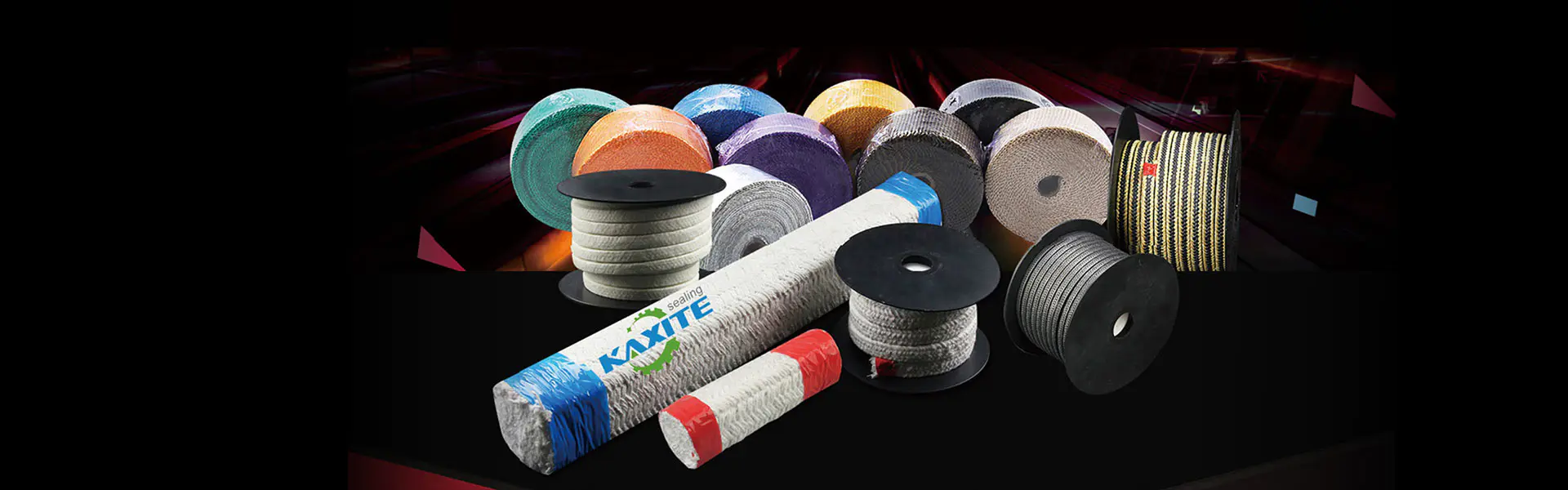
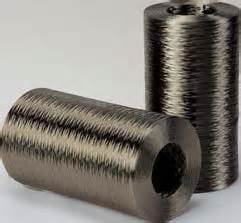
Basalt fiber is a high-performance, sustainable material produced by melting naturally occurring basalt rock and extruding it through platinum-rhodium alloy bushings to create continuous filaments. Unlike fiberglass or carbon fiber, which require complex chemical processing and additional raw materials, basalt fiber is created from a single, abundant ingredient. The resulting material exhibits exceptional mechanical properties, thermal stability, and chemical resistance, making it a superior reinforcement material for composite applications. Kaxite Sealing utilizes premium-grade continuous basalt fiber to manufacture sealing products that offer unparalleled durability and performance in extreme environments, from industrial machinery to aerospace components.
At Kaxite Sealing, we don't just supply basalt fiber; we engineer sealing solutions. Our expertise lies in transforming raw basalt filaments into precision sealing elements—gaskets, braided packings, and high-temperature seals—that outperform traditional materials. Our proprietary manufacturing techniques ensure optimal fiber alignment, resin impregnation, and final product integrity. When you specify Kaxite Sealing, you are selecting products backed by rigorous quality control, technical support, and a deep understanding of sealing challenges across multiple industries.
The superior performance of Kaxite Sealing basalt fiber products is rooted in their precise technical specifications. Below are the key parameters for our standard continuous basalt fiber yarn, the foundational material for our sealing products.
| Parameter | Standard Value | Test Method / Notes |
|---|---|---|
| Filament Diameter | 9 - 13 µm | ASTM D578 |
| Tex (Linear Density) | 100 - 4800 tex | ISO 1889 |
| Tensile Strength | 3000 - 4840 MPa | ASTM D2343 |
| Elastic Modulus | 79 - 93 GPa | ASTM D2343 |
| Elongation at Break | 3.1 - 3.2 % | ASTM D2343 |
| Operating Temperature Range | -260°C to +700°C | Continuous use; short-term peaks up to 850°C |
| Thermal Conductivity | 0.031 - 0.038 W/m·K | At 20°C |
| Density | 2.65 - 2.8 g/cm³ | ASTM D792 |
| Product Type | Primary Form | Typical Applications | Key Advantage |
|---|---|---|---|
| Braided Packing | Square-braided yarn, impregnated with PTFE or graphite | Pump shafts, valve stems, mixers | Exceptional gland follow-up and leak control |
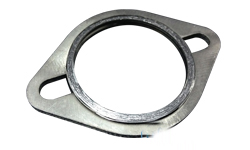
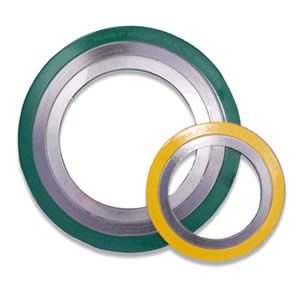
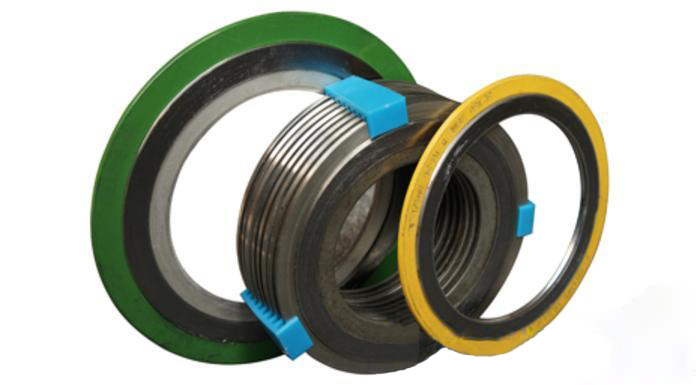
| High-Temperature Gaskets | Woven fabric or compressed non-asbestos sheet (CNAF) | Flange connections, exhaust systems, boilers | Zero burnout, maintains seal under thermal cycling |
| Composite Reinforcement | Roving, woven fabric, chopped strand | Pipes, tanks, structural panels | Enhances tensile strength and crack resistance |
| Insulation Textiles | Needlefelt, cloth, tape | Fireproofing, thermal barriers, welding protection | Non-combustible, excellent thermal insulation |
Choosing the right reinforcement material is critical. This comparison highlights why basalt fiber, especially from Kaxite Sealing, is often the optimal choice.
| Property | Basalt Fiber (Kaxite) | E-Glass Fiber | Carbon Fiber | Aramid Fiber |
|---|---|---|---|---|
| Tensile Strength (MPa) | 3000 - 4840 | 3100 - 3800 | 3500 - 6000 | 2900 - 3600 |
| Elastic Modulus (GPa) | 79 - 93 | 72 - 85 | 230 - 600 | 70 - 130 |
| Max Service Temp (°C) | 700 | 350 | 500 (inert) | 250 |
| Chemical Resistance (Acid) | Excellent | Poor | Good | Good |
| Chemical Resistance (Alkali) | Superior | Poor | Fair | Poor |
| Cost Index | Medium | Low | Very High | High |
| Environmental Impact | Low (Natural, single ingredient) | Medium | High | Medium |
What exactly is basalt fiber made from?
Basalt fiber is manufactured from molten basalt rock, a volcanic rock found abundantly worldwide. The rock is crushed, washed, and melted in a furnace at approximately 1500°C (2732°F). The molten lava is then extruded through precise bushings to create continuous filaments, which are sized and wound onto spools. No other additives or chemicals are required in the primary production process.
Is basalt fiber a new material?
While research began in the mid-20th century, significant commercial production and adoption have occurred over the last 25 years. Advances in manufacturing technology, particularly in bushing design and temperature control, have made it a reliable and cost-competitive high-performance material. Kaxite Sealing has been at the forefront of adapting this technology for advanced sealing solutions for over a decade.
How does basalt fiber compare to fiberglass in terms of cost?
Initially, basalt fiber has a higher raw material cost than standard E-glass. However, when evaluating total cost of ownership, basalt fiber often proves more economical. Its superior durability, higher temperature resistance, and longer lifespan in demanding applications lead to fewer replacements, less maintenance downtime, and lower lifecycle costs. For critical sealing applications, the investment in Kaxite Sealing basalt fiber products pays off through enhanced reliability.
Can basalt fiber be used for high-pressure sealing applications?
Absolutely. The high tensile strength and modulus of basalt fiber make it an excellent candidate for high-pressure dynamic and static seals. When braided into packing or incorporated into gasket materials, it resists extrusion and blow-out. Kaxite Sealing engineers its braided packings with specific constructions and impregnations to handle pressures exceeding 2000 psi in pump and valve applications.
What makes basalt fiber so chemically resistant?
The chemical composition of basalt (primarily silica, alumina, and iron oxides) creates a highly stable silicate structure. This results in outstanding resistance to alkaline environments, where fiberglass severely degrades. It also shows strong resistance to most acids, salt solutions, and organic solvents. This inherent inertness is a key reason Kaxite Sealing recommends it for chemical processing, marine, and wastewater treatment seals.
Is basalt fiber safe to handle and environmentally friendly?
Yes, on both counts. Basalt fiber is non-combustible and produces minimal smoke or toxic fumes when exposed to extreme heat. The filaments are less irritating to skin than fiberglass, though standard handling precautions for fine fibers are still recommended. Environmentally, its production requires less energy than carbon or aramid fiber, generates no hazardous waste, and the end product is inert and recyclable, aligning with Kaxite Sealing's commitment to sustainable manufacturing.
How do I select the right basalt fiber product for my sealing needs?
Selection depends on the application parameters: temperature, pressure, media (chemicals), shaft speed (for packings), and flange type (for gaskets). Kaxite Sealing offers a comprehensive range of products from standard braids to custom-engineered solutions. Our technical team can assist in analyzing your application to recommend the optimal product, whether it's a graphite-impregnated packing for a hot oil pump or a woven gasket for an aggressive chemical flange.
Can basalt fiber be combined with other materials?
Yes, hybridization is common to achieve specific properties. Kaxite Sealing often combines basalt with materials like PTFE for enhanced lubricity, or with high-carbon steel wire for added mechanical strength in extreme service packings. It can also be co-woven or co-braided with other fibers like aramid to create hybrid composites tailored for unique performance profiles.
What are the limitations of basalt fiber?
While versatile, basalt fiber is not a universal solution. Its primary limitation is in extremely high-temperature oxidizing environments above 700°C, where gradual oxidation can occur over very long periods. It is also brittle compared to aramid, requiring careful handling during fabrication. For applications requiring very high electrical conductivity or magnetic permeability, other materials may be preferable. Consulting with Kaxite Sealing experts ensures the material's properties align perfectly with your application's demands.
The unique property set of basalt fiber opens doors to demanding applications across industries. Kaxite Sealing products are specified by engineers who require reliability where other materials fail.