Find a High-Quality Manufacturer in China for Reliable Expanded Graphite Gaskets
Expanded Graphite Gaskets: The Superior Sealing Solution
In the demanding world of industrial sealing, reliability is non-negotiable. Leaks can lead to catastrophic failures, costly downtime, and significant safety hazards. For engineers and procurement specialists across power generation, chemical processing, oil & gas, and heavy manufacturing, selecting the right gasket material is a critical decision. This is where Expanded graphite gaskets have emerged as a premier choice, offering an exceptional combination of performance, durability, and versatility. At Kaxite Sealing, we have dedicated ourselves to mastering the science and craftsmanship behind these advanced sealing components, providing our global clients with solutions that stand up to the most severe service conditions.
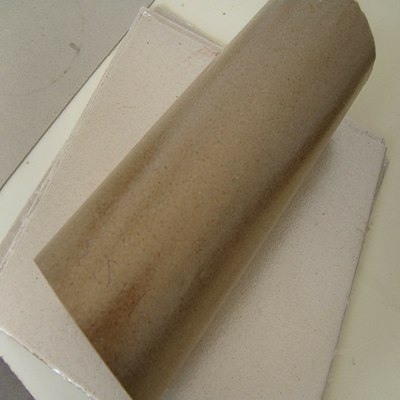
Expanded graphite, also known as exfoliated graphite, is manufactured by treating natural graphite flakes with acid and heat. This process causes the graphite crystals to expand or exfoliate, creating a mat of pure graphite with a vermiform (worm-like) structure. This unique structure is then calendered into sheets without the use of binders or fillers. The result is a gasket material with inherent properties that outperform traditional options like compressed asbestos fiber (CAF), aramid fiber, and many rubber-based composites.
Why Choose Kaxite Sealing Expanded Graphite Gaskets?
Our commitment at Kaxite Sealing goes beyond simply supplying a product. We provide engineered sealing solutions. Our expanded graphite gaskets are manufactured under stringent quality controls, ensuring consistency, purity, and performance in every sheet and every cut gasket. We understand that your applications are unique, which is why we offer both standard sheets and custom die-cut, water-jet, or CNC-machined gaskets to exact specifications.
The core advantages of our expanded graphite material include:
- Exceptional Thermal Stability: Capable of continuous service from cryogenic temperatures up to 3000°F (1650°C) in non-oxidizing atmospheres, and up to 900°F (482°C) in oxidizing environments.
- Superior Chemical Resistance: Highly inert, resistant to a wide range of chemicals, solvents, acids, and alkalis. It is unaffected by most process media, ensuring long-term seal integrity.
- Outstanding Creep Relaxation Resistance: Maintains bolt load over time better than most soft gasket materials, reducing the need for frequent re-torquing and preventing flange leakage.
- Excellent Conformability & Sealability: The soft, pliable nature of expanded graphite allows it to conform easily to imperfect or scratched flange surfaces, creating a tight, leak-free seal even at low seating stresses.
- Inherent Lubricity & Non-Stick Properties: Graphite is a natural lubricant, making gasket installation and removal easier and reducing the risk of damage to flange faces.
- Fire Safety: Graphite is non-combustible and will not burn, melt, or drip, contributing to overall plant safety.
Kaxite Sealing Expanded Graphite Gaskets: Detailed Product Parameters
To ensure you can make a precise and informed selection, we provide comprehensive technical data for our standard expanded graphite sheet products. Below are the key parameters that define our flagship material series.
Standard Material Properties
| Property | Test Standard | Typical Value | Unit |
|---|---|---|---|
| Density | ASTM F1315 | 1.0 - 1.1 | g/cm³ |
| Tensile Strength (MD) | ASTM F152 | 4.5 | MPa |
| Tensile Strength (CMD) | ASTM F152 | 3.0 | MPa |
| Compressibility | ASTM F36 | 40 - 50 | % |
| Recovery | ASTM F36 | 15 - 20 | % |
| Creep Relaxation | ASTM F38 | < 15 | % |
| Thermal Conductivity | ASTM E1225 | 4 - 6 (through-plane) | W/m·K |
| Maximum Service Temp (Oxidizing) | - | 450°C (842°F) | - |
| Maximum Service Temp (Inert/Reducing) | - | 3000°C (5432°F) | - |
| pH Value | ASTM E70 | 5 - 7 | - |
| Chloride Content | ASTM D4327 | < 50 | ppm |
Available Product Forms & Specifications
Kaxite Sealing offers flexibility to meet your exact needs:
- Sheet Stock: Available in standard rolls and sheets.
- Standard Sheet Sizes: 1m x 1m, 1.5m x 1.5m, 1.2m x 2.4m.
- Standard Thickness: 0.5mm, 0.8mm, 1.0mm, 1.5mm, 2.0mm, 3.0mm. Custom thicknesses available.
- Cut Gaskets: Precision-cut to your drawings.
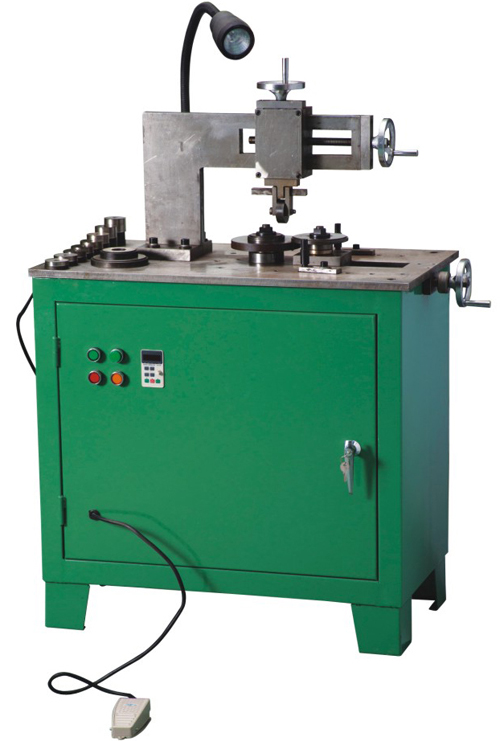
- Cutting Methods: High-precision waterjet cutting, CNC punching, clicker die-cutting, and lathe-skiving.
- Tolerances: Standard tolerances per ASME B16.20/B16.21. Tighter tolerances available upon request.
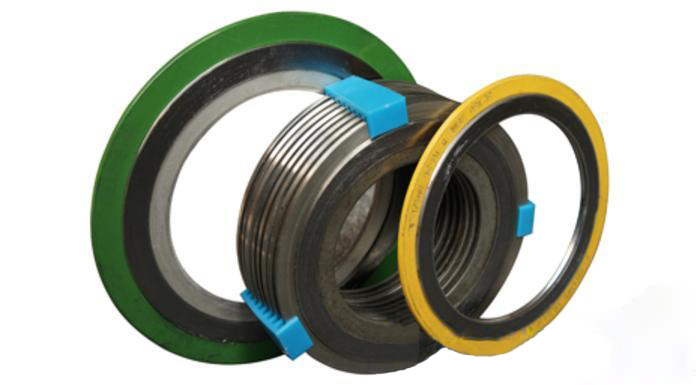
- Reinforced Composites: For enhanced handling and high-pressure applications.
- Types: Perforated steel core insert (CGI), tanged metal insert, foil laminates (SS304, SS316).
Frequently Asked Questions (FAQ) About Expanded Graphite Gaskets
Q: What are the primary applications for expanded graphite gaskets?
A: Expanded graphite gaskets from Kaxite Sealing are exceptionally versatile. They are widely used in: Flange connections in chemical and petrochemical plants (for acids, alkalis, hydrocarbons), heat exchangers and boiler manways, turbine casings and power generation equipment, exhaust systems and high-temperature ducting, and virtually any application involving high temperatures, aggressive media, or where fire safety is a concern. Their excellent sealability also makes them ideal for low-pressure/vacuum services.
Q: Can expanded graphite gaskets be used on raised face (RF) and flat face (FF) flanges?
A: Yes, they are suitable for both. Their superior conformability makes them an excellent choice for sealing on raised face flanges, filling the serrations effectively. For flat face flanges, especially full-face gaskets, they provide a reliable seal across the entire surface. Proper bolt torque and a clean flange surface are critical for optimal performance on any flange type.
Q: What is the temperature limit for expanded graphite in air (oxidizing atmosphere)?
A: In continuous service in oxidizing atmospheres (like air), the general upper limit for pure expanded graphite is typically 450°C to 500°C (842°F to 932°F). Prolonged exposure above this range in the presence of oxygen leads to gradual oxidation and weight loss. For higher temperature oxidizing applications, Kaxite Sealing offers specially treated or laminated versions with extended temperature resistance.
Q: How do I handle and store expanded graphite gasket sheets?
A: Expanded graphite is soft and can be easily torn. Handle sheets and gaskets with care. Store them in a clean, dry environment, away from direct sunlight, moisture, and corrosive fumes. Stack sheets flat to prevent bending or creasing. It is best to store them in their original packaging until ready for use. Keep away from sharp objects.
Q: Are expanded graphite gaskets conductive?
A: Yes, graphite is an electrically conductive material. Therefore, expanded graphite gaskets provide electrical conductivity between flanged surfaces, which can be important for grounding and preventing static electricity buildup in piping systems handling flammable fluids. If electrical isolation is required, alternative non-conductive materials should be selected.
Q: What is the significance of low chloride content in your expanded graphite?
A: Extremely low chloride content (typically <50 ppm in Kaxite Sealing products) is crucial for applications involving austenitic stainless steels, such as 304SS and 316SS. Chlorides, in the presence of moisture and tension, can cause Stress Corrosion Cracking (SCC) in these alloys, leading to catastrophic failure. Our rigorous quality control ensures our material is safe for use in sensitive systems.
Q: Can Kaxite Sealing provide gaskets with special coatings or treatments?
A: Absolutely. We offer a range of enhancements to meet specific challenges. Common treatments include: Anti-oxidant coatings (for extended service in air up to 650°C), PTFE impregnation or laminate (for improved chemical resistance to certain aggressive media and reduced stickiness), and non-stick polymer coatings on one or both sides for easier disassembly.
Q: How do I determine the correct thickness and density for my application?
A: The selection depends on flange type, surface finish, pressure, temperature, and media. As a general rule: Standard raised face flanges often use 1.5mm thickness. For low seating stress flanges or poor surface conditions, a softer, thicker gasket (e.g., 2.0mm) may seal better. Higher density (≥1.1 g/cm³) offers better creep resistance for high-load applications. Our technical support team at Kaxite Sealing can provide specific recommendations based on your detailed service conditions.
Partner with Kaxite Sealing for Your Critical Sealing Needs
Choosing Kaxite Sealing means partnering with a supplier that prioritizes technical excellence, consistent quality, and reliable support. Our in-house engineering team is ready to assist with material selection, design review, and troubleshooting. We maintain a large inventory of standard sheet sizes and thicknesses for quick delivery, while our advanced fabrication shop is equipped to handle custom orders with fast turnaround times.
We invite you to experience the Kaxite Sealing difference. Contact our sales or technical department today to request samples, discuss your specific application, or receive a competitive quotation for your next project requiring reliable, high-performance expanded graphite gaskets.
- View as
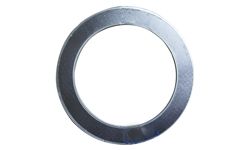
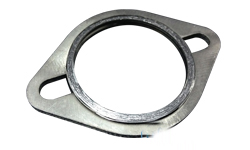
Tanged Metal Reinforced Graphite Gasket
Kaxite Sealing's Tanged Metal Reinforced Graphite Gasket offers superior sealing for high-pressure environments, combining durability and flexibility with a unique tang design that prevents leaks. Ideal for industrial applications, it ensures safety, reduces downtime, and stands out from competitors with its enhanced performance. Experience reliable, worry-free operation—upgrade to a proven solution today!
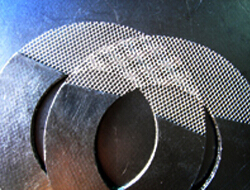
Graphite gasket reinforced with metal mesh
Kaxite Sealing's Graphite Gasket Reinforced with Metal Mesh delivers superior sealing for demanding applications, combining graphite's flexibility with metal mesh strength for leak-proof reliability in high-temperature and corrosive environments. Ideal for industrial and automotive sectors, it ensures peace of mind with unmatched durability and performance.

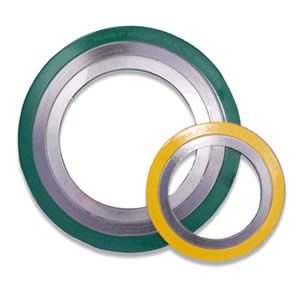
Graphite Gasket Reinforced With Metal Foil
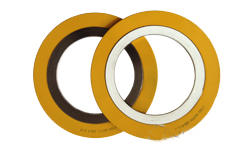
Kaxite Sealing presents the Graphite Gasket Reinforced With Metal Foil: a durable sealing solution perfect for industrial applications. Its graphite core ensures flexibility, while the metal foil reinforcement offers superior heat and chemical resistance, ideal for high-pressure environments. This gasket prevents leaks, enhances safety, and reduces downtime, giving users peace of mind with reliable performance. Unlike standard gaskets, its unique reinforced design ensures long-lasting durability. Upgrade your equipment with Kaxite Sealing for unmatched quality and efficiency.

Pure Expanded Graphite Gasket
Discover the Kaxite Sealing Pure Expanded Graphite Gasket, engineered for superior performance in high-temperature and chemical applications. Made from pure expanded graphite, it ensures exceptional flexibility and durability, effectively preventing leaks and enhancing safety. Ideal for industrial users in power plants, refineries, and automotive sectors, this gasket delivers reliable sealing solutions that reduce downtime and maintenance costs. Experience peace of mind and operational efficiency with our cutting-edge technology, offering unmatched resilience and cost-effectiveness. Trust Kaxite Sealing for premium quality and innovation—your seamless solution for demanding environments.