Factory in China Specializing in Synthetic Fiber Packing for Industrial Sealing Solutions
What is Synthetic Fiber Packing?
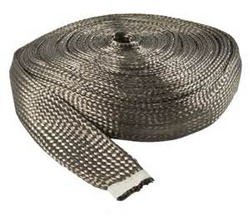
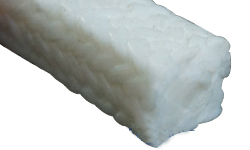
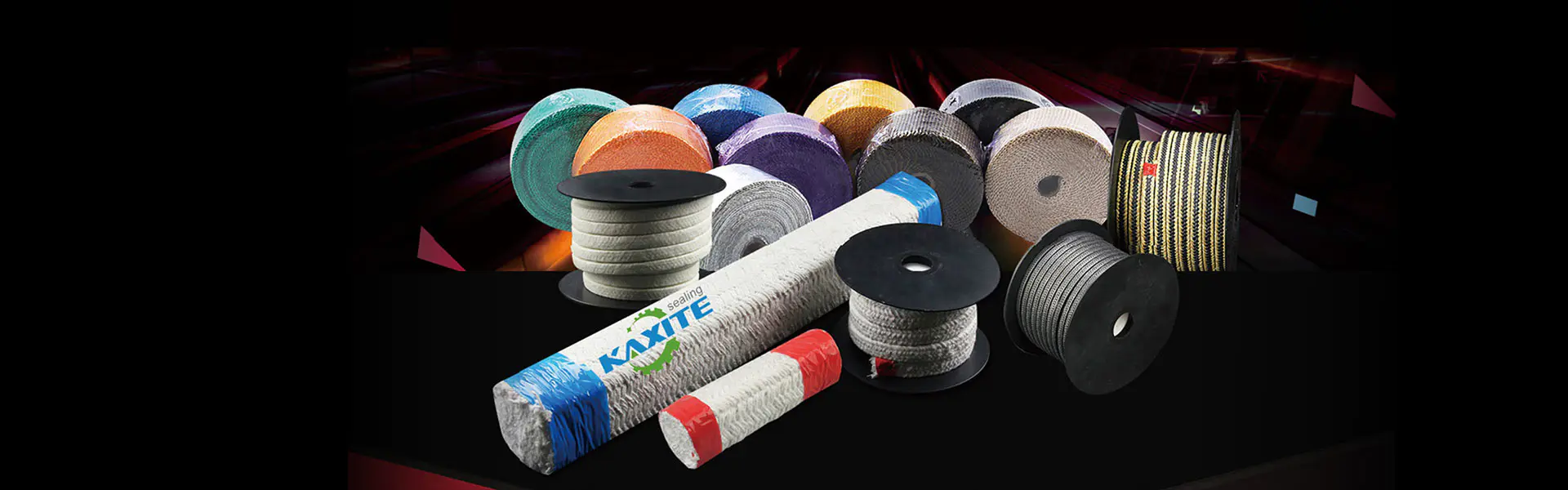
In the demanding world of industrial sealing, finding a reliable and versatile solution is paramount. Synthetic fiber packing stands as a cornerstone technology, engineered to create leak-free seals in pumps, valves, mixers, and other rotating or reciprocating equipment. Unlike traditional materials like flax or cotton, modern synthetic packings are constructed from high-performance man-made fibers such as aramid, carbon, PTFE, and fiberglass. These fibers are typically braided, sometimes with corrosion-resistant metal wires, and impregnated with lubricants like PTFE or graphite to reduce friction and wear. The result is a robust sealing element capable of withstanding extreme pressures, temperatures, and aggressive chemical environments, offering superior longevity and reliability for critical industrial applications.
Key Features and Benefits of Kaxite Sealing Synthetic Fiber Packing
At Kaxite Sealing, we engineer our synthetic fiber packings to exceed industry standards. Our products are not just components; they are precision solutions designed for operational excellence.
- Exceptional Chemical Resistance: Formulated to resist a wide spectrum of chemicals, acids, and alkalis, ensuring integrity in corrosive process streams.
- High Temperature & Pressure Stability: Maintains sealing performance under extreme thermal and mechanical stress, minimizing downtime.
- Low Friction & Long Service Life: Advanced lubricant impregnation reduces shaft wear and packing friction, leading to extended maintenance intervals and lower total cost of ownership.
- Versatility Across Applications: Suitable for a vast range of services from water and steam to aggressive chemicals and solvents.
- Easy Installation & Adjustment: The braided construction allows for flexibility and ease of installation, fitting neatly into standard stuffing boxes.
- Environmentally Conscious Design: Many of our packing formulations are designed to be non-toxic and suitable for use in applications with strict environmental regulations.
Technical Specifications & Product Data
Selecting the correct packing requires precise technical data. Below are the detailed specifications for Kaxite Sealing's flagship synthetic fiber packing series, KX-SynFiber Pro.
| Property / Parameter | Standard Grade (KX-SF100) | High-Temp Grade (KX-SF200) | Chemically Inert Grade (KX-SF300) | Test Method |
|---|---|---|---|---|
| Primary Fiber Material | Aramid / PTFE Blend | Graphitized Carbon / Fiberglass | Pure PTFE Filament | - |
| Impregnation / Lubricant | PTFE & Synthetic Grease | High-Purity Graphite | PTFE Dispersion | - |
| Temperature Range | -50°F to 500°F (-45°C to 260°C) | -100°F to 1200°F (-73°C to 650°C) | -400°F to 550°F (-240°C to 288°C) | ASTM E831 |
| pH Range | 2 - 12 | 0 - 14 | 0 - 14 | Immersion Test |
| Max. Shaft Speed | 25 ft/s (7.6 m/s) | 20 ft/s (6.1 m/s) | 15 ft/s (4.6 m/s) | Pump Test Rig |
| Pressure Capacity | Up to 1500 psi (103 bar) | Up to 1200 psi (83 bar) | Up to 1000 psi (69 bar) | ASTM F37 |
| Density | 1.4 - 1.6 g/cm³ | 1.5 - 1.7 g/cm³ | 2.0 - 2.2 g/cm³ | ASTM D792 |
| Available Sizes (Square Cross-Section) | 1/8" to 1" (3mm to 25mm) | 1/8" to 3/4" (3mm to 19mm) | 1/8" to 1/2" (3mm to 13mm) | - |
Comprehensive Comparison of Packing Types
Understanding how synthetic fiber packing compares to other common sealing methods helps in making an informed decision.
| Packing Type | Best For | Temperature Limit | Chemical Resistance | Relative Cost | Maintenance Note |
|---|---|---|---|---|---|
| Kaxite Synthetic Fiber | Wide range: chemicals, hot water, steam, acids, alkalis | Up to 1200°F (650°C) | Excellent to Outstanding | Medium | Low friction, run-dry capable, easy to adjust. |
| Compressed Asbestos (Legacy) | High-temperature steam (phasing out) | Up to 1000°F (538°C) | Good | Low | Health hazards; being replaced by synthetics. |
| PTFE Filament Packing | Ultra-pure or highly corrosive services | Up to 550°F (288°C) | Exceptional | High | Excellent for food/pharma; limited thermal expansion. |
| Graphite Foil & Ribbon | Very high temperatures, heat exchangers | Up to 3000°F (1650°C) in inert atm. | Good (except strong oxidizers) | Medium-High | Fragile; requires careful handling and installation. |
| Carbon Fiber Packing | High-speed pumps, abrasive slurries | Up to 600°F (316°C) | Very Good | High | High strength, excellent thermal conductivity. |
Frequently Asked Questions (FAQ) on Synthetic Fiber Packing
Q: How do I select the right synthetic fiber packing for my application?
A: Selection is based on the "S.T.A.M.P." acronym: Size (shaft/box dimensions), Temperature (operating and peak), Application (pump type, valve, mixer), Media (exact chemical being sealed), and Pressure (operating and surge). Always consult Kaxite Sealing's technical datasheets and cross-reference the chemical compatibility charts. For complex services, our engineering team can provide a tailored recommendation.
Q: What is the proper procedure for installing synthetic fiber packing rings?
A: Correct installation is critical. Ensure the stuffing box is clean and free of old packing. Cut new packing rings using a mandrel or the "wrap-and-cut" method for precise, square ends. Stagger the ring joints by 90 degrees as you install each ring. Use a split bushing or proper tool to tamp each ring firmly and evenly. Follow the manufacturer's torque specifications when tightening the gland follower—initial installation should be hand-tight plus 1/4 to 1/2 turn, with further adjustment after a brief run-in period.
Q: How much leakage is normal during the run-in period for new packing?
A: A slight, controlled leakage (a few drops per minute) is normal and necessary during the initial 15-30 minutes of operation. This leakage lubricates and cools the packing-shaft interface, preventing scorching. The packing should be gradually tightened in small increments until this leakage reduces to a minimal seepage. Overtightening to achieve zero leakage will cause excessive heat, rapid wear, and shaft scoring.
Q: Can Kaxite synthetic fiber packing be used in potable water or food processing applications?
A: Yes, specifically our KX-SF300 (Pure PTFE Filament) grade is designed for such services. It is manufactured with FDA-listed ingredients, is non-toxic, and will not contaminate the media. It is ideal for applications requiring high purity, such as pharmaceutical, beverage, and food processing equipment.
Q: What are the signs that my synthetic fiber packing needs to be replaced?
A: Key indicators include: a persistent increase in leakage that cannot be controlled by gland adjustment, a noticeable increase in power consumption or heat generation at the stuffing box, visible physical degradation of the packing material (fraying, hardening), or excessive shaft wear. Regular maintenance schedules based on operating hours are the best practice to prevent unexpected failure.
Q: How does synthetic fiber packing compare to mechanical seals in terms of performance and cost?
A: Packing offers advantages in cost, simplicity, and reparability. It has a lower initial cost, can be adjusted or partially replaced in the field without disassembling the pump, and tolerates some shaft run-out or vibration. Mechanical seals generally offer longer-term, leak-free performance with less friction and maintenance but at a higher initial cost and require precise installation. The choice depends on the criticality of leakage control, media value, and maintenance philosophy. For many general industrial services, advanced synthetic fiber packing like Kaxite's products provides an optimal balance.
Typical Industrial Applications
The versatility of Kaxite Sealing synthetic fiber packing makes it the go-to solution across numerous sectors.
- Chemical & Petrochemical Processing: Sealing aggressive acids, caustics, solvents, and hydrocarbons in pumps, reactors, and valves.
- Power Generation: Sealing boiler feed pumps, condensate systems, and other auxiliary equipment handling high-temperature water and steam.
- Water & Wastewater Treatment: Reliable performance in centrifugal pumps handling clean water, slurries, and treatment chemicals.
- Pulp & Paper Industry: Resistance to bleaching chemicals, black liquor, and high-temperature fluids in stock pumps and mixers.
- Mining & Minerals: Handling abrasive slurries and process water in harsh environments.
- General Manufacturing: A dependable seal for HVAC systems, industrial washing equipment, and various fluid transfer applications.
- View as
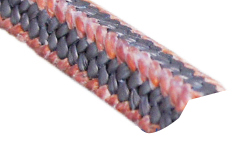
PTFE Packing with Kynol Fiber Corners
Upgrade your sealing performance with Kaxite Sealing's PTFE Packing with Kynol Fiber Corners – a premium solution for demanding industrial applications. Engineered with advanced PTFE material and reinforced corners for superior durability and chemical resistance, this packing ensures reliable, leak-free seals in harsh environments. Ideal for engineers and professionals in chemical processing, power generation, and manufacturing, it offers long-lasting efficiency and peace of mind with reduced maintenance. Experience the trusted quality that sets Kaxite Sealing apart and boost your operational confidence today!
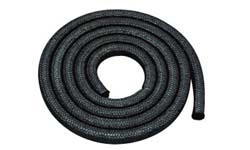
PAN Fiber Packing Treated With Graphite
Discover Kaxite Sealing's PAN Fiber Packing Treated With Graphite, a high-performance sealing solution for industrial applications. Enhanced with graphite for superior durability and friction resistance, it ensures reliable, long-lasting performance in demanding environments. Ideal for engineers and maintenance professionals, this innovative packing reduces downtime and enhances efficiency, offering a cost-effective upgrade over standard options. Trust Kaxite Sealing for quality that delivers peace of mind and operational excellence.
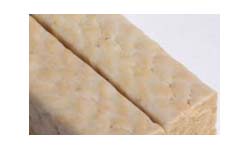
PAN Fiber Packing
Kaxite Sealing's PAN Fiber Packing is a durable, high-performance sealing solution designed for industrial applications. Crafted from premium PAN fibers, it offers superior resistance to heat, chemicals, and abrasion, ensuring reliable performance in demanding environments. Ideal for engineers and maintenance professionals, this packing reduces downtime and enhances safety by preventing leaks. Experience peace of mind with its long-lasting efficiency and eco-friendly design. Unlike conventional options, our PAN Fiber Packing provides unmatched durability and easy installation. Trust Kaxite Sealing for a seamless, cost-effective upgrade to your sealing needs.
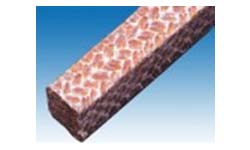
Kynol Fiber Packing
Enhance your sealing solutions with Kynol Fiber Packing by Kaxite Sealing, designed for high-temperature applications. This premium product offers exceptional durability, corrosion resistance, and reliable performance, ideal for industrial professionals. It provides peace of mind by ensuring safety in demanding environments, setting itself apart with superior material quality. Upgrade your equipment today for long-lasting efficiency.
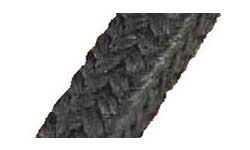
Acrylic Fiber Treated With Graphite
Experience Kaxite Sealing's Acrylic Fiber Treated With Graphite, a premium sealing solution enhanced with graphite for superior heat resistance and durability. Ideal for professionals in thermal applications, it ensures reliable performance and long-lasting protection, solving leakage and wear issues. Its unique graphite integration outperforms standard fibers, delivering confidence and efficiency—upgrade your sealing game with Kaxite Sealing's trusted quality today!
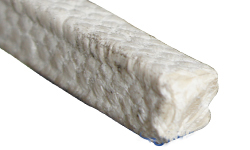
Acrylic Fiber Packing
Discover Kaxite Sealing's Acrylic Fiber Packing, a durable and versatile sealing solution for industrial applications. Made from high-quality acrylic fibers, it offers superior resistance to heat, chemicals, and wear, ensuring reliable performance in demanding settings. Ideal for engineers and maintenance professionals in manufacturing or processing plants, it enhances safety and efficiency, reducing downtime and costs. Experience unmatched durability and peace of mind with our innovative design. Choose Kaxite Sealing for top-tier sealing excellence today!