Flange Insulation Gasket Kits Manufacturer in China for reliable industrial sealing solutions
Flange Insulation Gasket Kits: Comprehensive Corrosion Protection for Piping Systems
In industrial piping and flanged connections, controlling galvanic and stray current corrosion is paramount for system longevity, safety, and operational efficiency. A Flange Insulation Gasket Kit is an engineered assembly designed to electrically isolate flanged joints, breaking the path for electrical current flow that accelerates metal degradation. By incorporating these kits, engineers and maintenance professionals can effectively mitigate corrosion, prevent premature failure of critical components, and ensure personnel safety in hazardous environments. For over two decades, Kaxite Sealing has been at the forefront of developing high-performance, reliable sealing and insulation solutions, with our Flange Insulation Gasket Kits representing a cornerstone of our product line for corrosion protection.
The principle behind flange insulation is straightforward: it creates a barrier that stops the flow of electrical current between two dissimilar metals or between a metal and an electrolyte (like soil or water). This current flow is the primary driver of galvanic corrosion. A complete kit from Kaxite Sealing doesn't just include a gasket; it's a system comprising several key components that work in unison to provide total isolation.
Core Components of a Kaxite Sealing Flange Insulation Kit
Each Kaxite Sealing Flange Insulation Gasket Kit is meticulously designed to deliver fail-safe isolation. A standard kit typically includes:
- Insulating Gasket: The central component, made from a durable, non-conductive material like PTFE (Teflon), FKM (Viton), or specially formulated composite polymers. It provides the primary barrier against current flow and seals the joint against fluid leakage.
- Insulating Bushings (Sleeves): These are placed around each bolt or stud, isolating the fastener from the flange holes. They prevent current from traveling along the bolt, which would bypass the insulating gasket.
- Insulating Washers: Flat washers made from the same insulating material, placed under the head of the bolt and under the nut. They complete the electrical isolation of the fastener assembly.
- Steel Washers: High-strength flat washers are often included to be used against the insulating washers. They distribute the load from the nut and prevent the softer insulating material from being deformed or crushed during tightening.
- Phenolic or Steel Backing Rings (Optional for RTJ Flanges): For Ring Type Joint (RTJ) flanges, a non-conductive backing ring is used to isolate the gasket from the flange groove.
Detailed Product Parameters & Specifications
Selecting the correct Flange Insulation Gasket Kit requires careful attention to technical parameters. Kaxite Sealing offers a wide range of kits tailored to specific service conditions.
1. Material Specifications
The choice of insulating material is critical and depends on temperature, pressure, and chemical compatibility.
| Material | Max Temperature | Key Properties | Typical Applications |
|---|---|---|---|
| PTFE (Virgin Teflon®) | 260°C (500°F) | Excellent chemical resistance, low friction, excellent dielectric strength. | Chemical processing, highly corrosive services, high-purity systems. |
| FKM (Viton®) | 230°C (450°F) | Excellent resistance to oils, fuels, and many chemicals; good compression set. | Refining, oil & gas production, fuel handling systems. |
| Glass-Filled PTFE | 260°C (500°F) | Enhanced creep resistance and load-bearing capability vs. virgin PTFE. | Higher pressure services, services with significant thermal cycling. |
| Composite (Fiber/Elastomer) | 150°C - 290°C (300°F - 550°F) | High strength, excellent dielectric properties, fire-safe options available. | Power generation, offshore platforms, high-pressure steam lines. |
2. Dimensional & Pressure-Temperature Ratings
| Flange Size (NPS) | Pressure Class (ANSI) | Kit Part Number Series | Max Pressure (PSI) @ 100°F | Bolt Size Included |
|---|---|---|---|---|
| 1/2" - 2" | 150, 300, 600 | KXI-FIG-15 | Varies by material (e.g., 2850 for PTFE @ Class 300) | As per ASME B16.5 |
| 2" - 12" | 150, 300, 600, 900 | KXI-FIG-30 | Varies by material and class | As per ASME B16.5 |
| 14" - 24" | 150, 300 | KXI-FIG-60 | Varies by material and class | As per ASME B16.5 |
| Custom Sizes | Up to 2500 | KXI-FIG-CUST | Engineered to specification | Specified by customer |
Note: All Kaxite Sealing kits are designed to meet or exceed the dimensional standards of ASME B16.5, B16.47, API 6A, and other relevant specifications.
3. Electrical & Performance Properties
- Dielectric Strength: Typically exceeds 2000 volts/mil (78 kV/mm) for PTFE-based components.
- Surface Resistivity: > 1 x 10^15 ohms/sq, ensuring minimal surface leakage current.
- Volume Resistivity: > 1 x 10^17 ohm-cm, providing excellent bulk insulation.
- Compression Set Resistance: Kaxite materials are formulated to maintain sealing force and thickness after prolonged compression.
- Fire Safety: Select kits are available with materials compliant with API 6FB, API 607, and ISO 10497 fire test standards.
Frequently Asked Questions (FAQ) About Flange Insulation Gasket Kits
Q: When is a Flange Insulation Gasket Kit required?
A: These kits are essential in several key scenarios: 1) When connecting pipes or equipment made of dissimilar metals (e.g., carbon steel to stainless steel, copper to steel). 2) In cathodic protection systems to isolate protected sections and focus the current. 3) For pipelines entering or leaving electrical substations or areas with high stray DC currents (e.g., near railways). 4) To isolate equipment like pumps, valves, and tanks from the pipeline to prevent corrosion hotspots. 5) In seawater cooling systems and other conductive fluid services.
Q: Can I just use an insulating gasket without the sleeves and washers?
A: No, this is a critical mistake. Using only the gasket provides incomplete isolation. The metal bolts create a parallel electrical path, effectively "short-circuiting" the insulating gasket. The full kit—with bushings, washers, and sometimes insulating bolt covers—is necessary to ensure the entire joint assembly is electrically isolated. Kaxite Sealing kits are supplied as complete sets to guarantee proper function.
Q: How do I select the right material for my application?
A: Material selection is a three-factor decision. First, review the chemical compatibility of the gasket material with your process fluid using our chemical resistance guide. Second, ensure the material's temperature rating exceeds your maximum operating temperature, including any upset conditions. Third, verify the pressure rating is suitable for your flange class. For complex applications involving hydrocarbons, fire safety standards like API 607 may dictate material choice. Kaxite Sealing's technical support team can assist with this critical selection.
Q: What is the proper installation procedure for a Kaxite Sealing insulation kit?
A: Correct installation is crucial. First, ensure flange faces are clean, dry, and free of burrs. Assemble the joint in this order: 1) Place the insulating gasket between the flanges. 2) Insert an insulating bushing into each flange bolt hole. 3) Insert the bolt through one side. 4) On the opposite side, stack a steel washer (if supplied), then an insulating washer, then thread on the nut. 5) Tighten bolts in a star-pattern sequence to the recommended torque value provided in the kit's datasheet to ensure even compression without damaging the insulating components. Always use a torque wrench.
Q: How do I test if an insulated flange joint is working properly?
A: The standard field test is a resistance check using a high-impedance multimeter (e.g., a Megger). After installation, measure the electrical resistance across the isolated joint (from one pipe side to the other, not including the bolts). A properly installed and functioning Kaxite Sealing kit should show a resistance reading greater than 1 Megohm (1,000,000 ohms). Periodically retesting this resistance is a good maintenance practice to ensure ongoing isolation integrity.
Q: Are these kits reusable?
A: Generally, Flange Insulation Gasket Kits are considered non-reusable, especially the gasket itself. Once compressed during installation, the gasket material takes a permanent set. Reusing it will likely compromise the seal and the insulation properties. The insulating sleeves and washers may be re-used in some cases if they are undamaged, but for guaranteed performance and safety, Kaxite Sealing recommends using a new, complete kit every time a joint is broken and re-made.
Q: Does Kaxite Sealing offer kits for non-standard or specialty flanges?
A: Absolutely. While we stock a vast inventory of standard ANSI and API kits, a core strength of Kaxite Sealing is our custom engineering capability. We can manufacture kits for large diameters (>24"), high-pressure classes (Class 2500, API 10K/15K/20K), exotic materials like PEEK, and for unique flange standards (DIN, JIS, etc.). We also produce kits for heat exchanger channels, manways, and vessel closures.
- View as
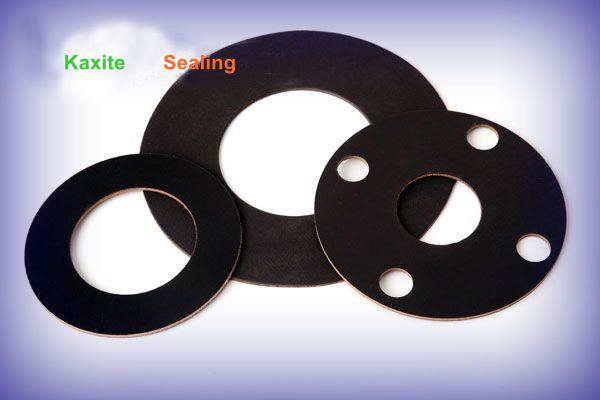
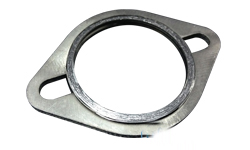
Neoprene Faced Phenolic Gaskets
Kaxite Sealing's Neoprene Faced Phenolic Gaskets offer superior sealing performance, combining phenolic strength with neoprene flexibility for leak-proof reliability in demanding industrial applications. Ideal for engineers and manufacturers, these gaskets enhance safety and durability, providing peace of mind in harsh conditions. With unmatched quality and effectiveness, they solve complex sealing challenges effortlessly. Choose Kaxite for trusted sealing solutions.
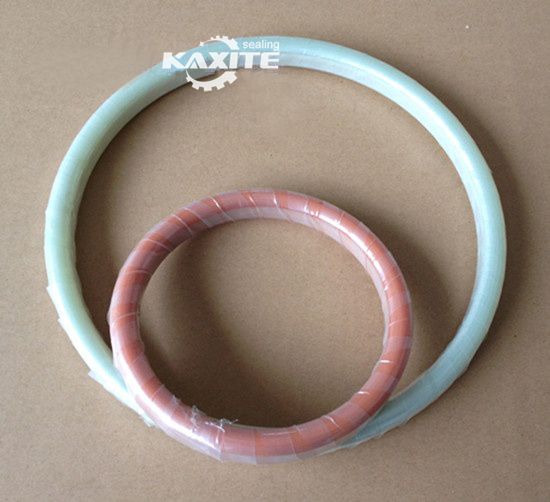
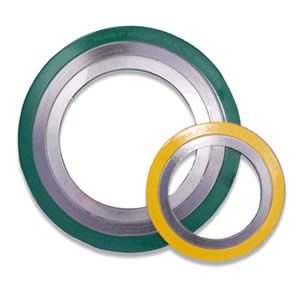
Type D Flange Insulation Gasket
Introducing Kaxite Sealing's Type D Flange Insulation Gasket—a robust solution for preventing electrical corrosion and leaks in industrial piping systems. Engineered with premium materials, it ensures reliable insulation and durability in harsh environments. Ideal for engineers and maintenance teams in oil, gas, and chemical sectors, this gasket enhances safety, reduces downtime, and boosts efficiency. Feel confident with lasting protection and peace of mind. Stand out with Kaxite's patented design and superior performance. Explore now for quality assurance!
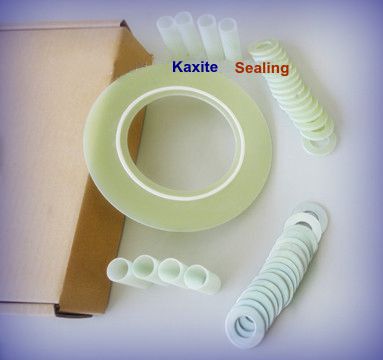
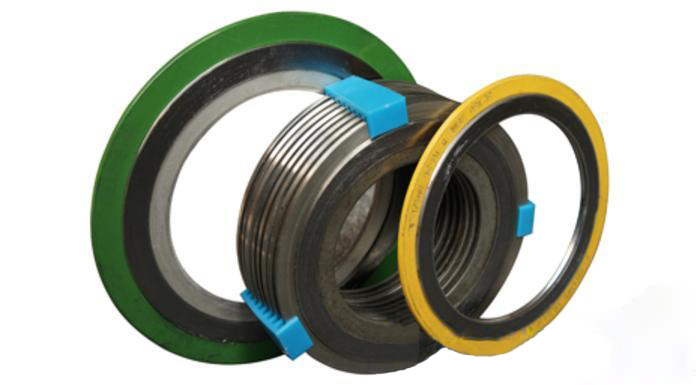
Flange Insulation Gasket Sets
Kaxite Sealing's Flange Insulation Gasket Sets prevent corrosion and electrical leakage in pipelines, ensuring long-term safety and efficiency. Made from durable materials, they offer superior sealing and insulation for industrial and chemical applications. Ideal for engineers and maintenance teams, these sets solve critical sealing issues, providing peace of mind with reliable performance. Choose Kaxite Sealing for trusted quality that outperforms competitors and keeps your operations running smoothly.
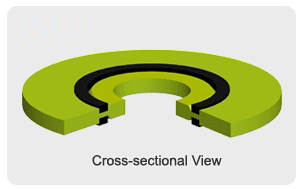
Seinseal Insulation gasket kits
Kaxite Sealing's Seinseal Insulation gasket kits offer superior thermal sealing for industrial applications, featuring durable materials that ensure long-lasting performance. Perfect for engineers and maintenance teams, these kits prevent leaks and enhance efficiency, reducing downtime and energy costs. Experience reliable protection with our innovative design, setting a new standard in insulation solutions.
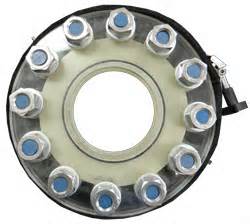
Flange Insulation Gasket Kits
Ensure secure and efficient operations with Kaxite Sealing Flange Insulation Gasket Kits! These premium kits provide superior thermal and electrical insulation for industrial flanges, featuring durable materials and innovative design to prevent corrosion and leaks. Ideal for engineers and maintenance teams in demanding environments, they enhance safety, reduce downtime, and offer peace of mind. Compared to standard options, Kaxite Sealing kits boast exceptional longevity and reliability. Trust in quality—upgrade your setup today!