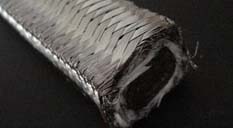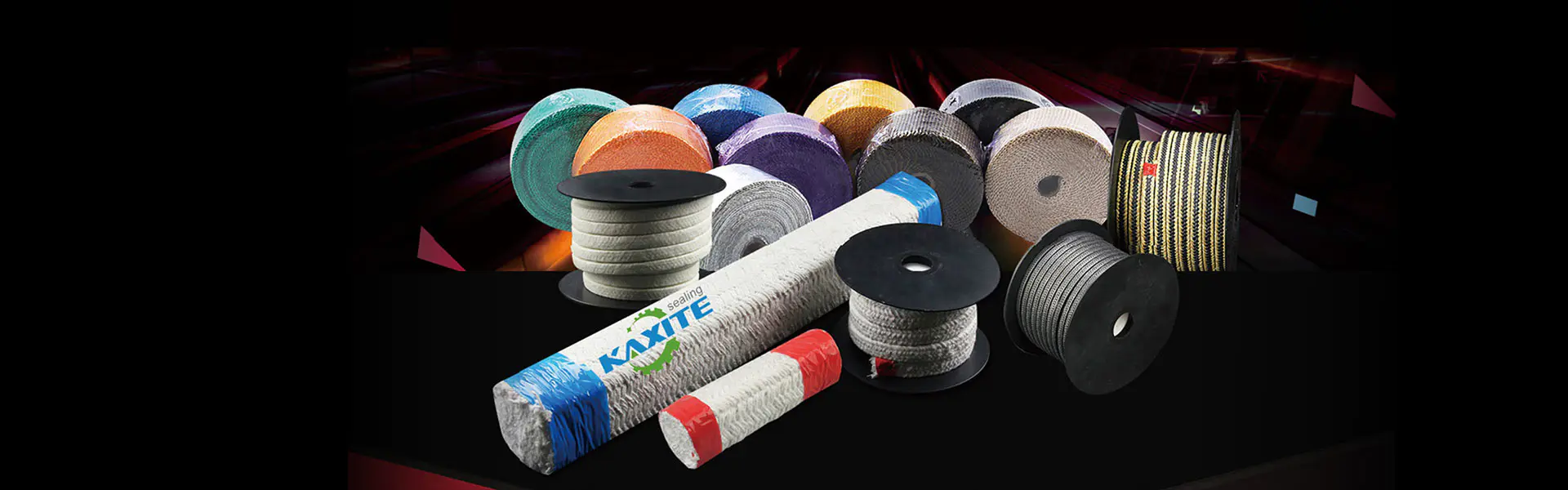
Factory in China Offering High-Quality Packing Materials for Bulk Orders
Comprehensive Guide to Industrial Packing Materials by Kaxite Sealing
Selecting the right packing materials is a cornerstone of operational efficiency, safety, and regulatory compliance in countless industries, from chemical processing and oil & gas to power generation and pharmaceuticals. The term encompasses a broad range of flexible sealing components used to prevent leakage of fluids or gases in pumps, valves, mixers, and other rotating or reciprocating equipment. As a global leader with decades of expertise, Kaxite Sealing provides engineered sealing solutions that stand up to the most demanding conditions. This guide delves into the critical parameters, material science, and application knowledge necessary for specifying the ideal packing for your system, ensuring maximum service life and minimal downtime.
Critical Product Parameters for Specification
Choosing a packing material is not a one-size-fits-all decision. It requires a detailed analysis of the application's operating environment. The following parameters are fundamental to the selection process. Kaxite Sealing's technical team uses this precise data to recommend the optimal product.
Primary Selection Criteria
- Media Being Sealed: The chemical compatibility of the packing with the process fluid (e.g., acids, alkalis, solvents, steam, hydrocarbons) is paramount. Incompatibility leads to rapid swelling, shrinkage, or chemical degradation.
- Temperature Range: Packing materials have specific minimum and maximum continuous operating temperatures. Exceeding these limits can cause hardening, cracking, loss of lubrication, or melting.
- Pressure/Speed (PV Value): The combination of system pressure and shaft surface speed creates frictional heat. The packing must withstand the resulting Pressure-Velocity (PV) factor to avoid excessive wear and heat buildup.
- Shaft/Bore Condition: Surface finish (measured in Ra or RMS), hardness, and any eccentricity or runout of the equipment directly impact packing performance and wear rate.
- Regulatory & Environmental Requirements: Applications in food (FDA), drinking water (WRAS, KTW), or pharmaceutical (USP Class VI) sectors require specific material certifications. Emissions control (e.g., VOC, fugitive emissions) is also a critical driver.
Detailed Material Properties Table
The table below compares common packing material types offered by Kaxite Sealing, highlighting their core compositions and typical application ranges.
| Material Type | Key Composition | Temperature Range | pH Range | Best For | Limitations |
|---|---|---|---|---|---|
| Braided Aramid Fiber | High-strength synthetic fibers (e.g., Kevlar®), often impregnated with PTFE or graphite. | -100°C to 300°C (-148°F to 572°F) | 2 - 13 | High-speed rotary pumps, hot water, mild chemicals. Excellent for abrasive services. | Not recommended for strong acids and oxidizers. Requires adequate lubrication. |
| Expanded Graphite / Grafoil® | Pure exfoliated graphite, die-formed into rings or tape. | -200°C to 450°C (-328°F to 842°F) Inert atmospheres: up to 3000°C | 0 - 14 (excluding strong oxidizers) | Extreme temperatures, heat transfer fluids, steam, acids, alkalis. Low friction, high thermal conductivity. | Vulnerable to strong oxidizing agents (e.g., nitric acid, chlorine). Requires careful handling. |
| PTFE (Teflon®) Based | 100% PTFE filaments, braided with or without lubricant inclusions (graphite, carbon). | -260°C to 260°C (-436°F to 500°F) | 0 - 14 | Aggressive chemicals, ultra-pure or food-grade applications, sticky media. Excellent non-stick properties. | Lower mechanical strength, prone to cold flow under high load. Not for molten alkali metals. |
| Carbon Fiber | High-modulus carbon filaments, typically impregnated with PTFE or graphite. | -100°C to 290°C (-148°F to 554°F) Inert: up to 3000°C | 0 - 14 (excluding oxidizers) | High PV applications, hot oils, solvents. Exceptional thermal stability and self-lubrication. | Higher cost. Avoid strong oxidizers. Can be electrically conductive. |
| Flexible Graphite with Inconel® Wire | Expanded graphite reinforced with Inconel 600 or 800 wire mesh. | -200°C to 650°C (-328°F to 1202°F) | 0 - 14 (excluding oxidizers) | High-temperature valves, flanges, and expansion joints in power and refining. Excellent creep resistance. | Higher cost. Not for oxidizing media. Wire reinforcement can corrode in specific chemicals. |
Note: All values are typical. Consult Kaxite Sealing's engineering data sheets for exact specifications based on product grade and construction.
Packing Materials FAQ: Expert Answers from Kaxite Sealing
Q: What is the fundamental difference between "packing" and a mechanical seal?
A: Packing is a sacrificial, multi-ring braided or formed material that seals by being compressed radially into the space between the shaft and housing (stuffing box). It requires some leakage for lubrication and cooling. A mechanical seal is a precision-engineered device with two flat faces (one rotating, one stationary) that seal by maintaining intimate contact. It is designed for near-zero leakage. Packing is often chosen for its simplicity, cost-effectiveness on older equipment, and tolerance to shaft movement, while mechanical seals are preferred for higher efficiency, lower leakage, and reduced maintenance on critical equipment.
Q: How do I determine the correct number of packing rings to install in a stuffing box?
A: The number is determined by the depth of the stuffing box and the cross-sectional size (width) of the packing. A general rule is to use enough rings to fill the box, typically 4 to 6 rings, but the exact count should follow the equipment manufacturer's guidelines or Kaxite Sealing's recommendation. The key is that the last ring should sit 1.5 to 2 packing ring widths below the gland follower. This space allows for proper gland compression during installation and subsequent tightening. Over-packing (too many rings) prevents proper gland pressure distribution; under-packing leads to insufficient sealing and rapid extrusion.
Q: Why is "run-in" or "break-in" crucial after installing new packing?
A: Run-in is a controlled process that allows the packing to adapt to the shaft surface and establish an optimal seal. New packing is initially tightened only enough to stop gross leakage. The equipment is then started, and the packing is allowed to run and generate heat. It is periodically tightened in small increments (usually 1/6th of a turn on the gland nuts) as it wears in and the leakage decreases. This gradual process ensures the packing seats evenly without generating excessive friction heat that can burn or glaze the packing, which would lead to premature failure and shaft damage. Kaxite Sealing provides specific run-in procedures for each packing type.
Q: Can packing materials handle abrasive slurries?
A: Yes, but special considerations are essential. For abrasive services, Kaxite Sealing recommends packings made from inherently abrasion-resistant fibers like aramid or those with advanced lubricants (e.g., PTFE, graphite) that form a protective film. The equipment condition is critical: a hardened shaft sleeve (e.g., ceramic-coated or tungsten carbide) is highly recommended to prevent shaft wear. Furthermore, allowing a slight, controlled leakage (often called "flushing") can help keep abrasive particles from embedding in the packing. In extreme cases, a flush line with clean fluid may be required to protect the packing area.
Q: What are the signs that my pump or valve packing needs replacement?
A: Several indicators signal packing failure or wear: 1) Excessive Leakage: A steady drip that cannot be controlled by reasonable gland adjustment. 2) High Operating Temperature: An overheated stuffing box indicates excessive friction, often from over-tightening, lack of lubrication, or worn packing. 3) Increased Power Consumption: The motor drawing more amps due to high friction from the packing. 4) Shaft or Sleeve Scoring: Visible grooves on the shaft caused by hard, contaminated, or misaligned packing. 5) Frequent Adjustment Required: Needing to tighten the gland very often means the packing is worn out and has lost its resilience. Proactive replacement based on maintenance schedules is always better than reactive replacement after failure.
Q: How does Kaxite Sealing ensure the quality and consistency of its packing materials?
A: Kaxite Sealing employs a vertically integrated manufacturing process with rigorous quality control at every stage. We start with premium raw materials from certified suppliers. Our proprietary braiding and impregnation techniques are performed on state-of-the-art machinery, ensuring consistent density, weave pattern, and lubricant distribution. Every batch undergoes a suite of tests, including density checks, tensile strength analysis, chemical extraction tests, and, for critical products, performance testing in simulated conditions. This commitment to quality control guarantees that every spool or ring of Kaxite Sealing packing performs identically, providing reliable, predictable service life for our customers.
Advanced Considerations & Kaxite Sealing Solutions
Beyond basic material selection, modern sealing challenges require advanced solutions. Kaxite Sealing develops specialized packing materials to meet these needs.
- Low-Emission Packing: Designed specifically to meet stringent environmental regulations like EPA Method 21, these packings (often graphite or PTFE-based) maintain a seal with minimal fugitive emissions, even after many thermal and pressure cycles.
- Packing for Mixers & Agitators: These applications subject packing to significant shaft runout and deflection. Kaxite Sealing offers engineered sets with enhanced resilience and wear resistance, often combining materials like flexible graphite with anti-extrusion rings to handle the dynamic movement.
- Fire-Safe Packing: For critical safety applications, materials are tested to API 607/API 6FB or similar standards, ensuring they maintain a seal during and after exposure to direct flame.
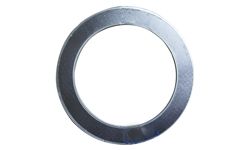
- Custom Die-Formed Rings: For specific flange sizes or unique geometries, Kaxite Sealing manufactures precise die-formed graphite or PTFE rings, ensuring a perfect fit and optimal sealing performance without gaps.
Specifying the correct packing material is a technical decision with direct consequences for plant safety, efficiency, and profitability. By understanding the key parameters outlined in this guide and partnering with an experienced provider like Kaxite Sealing, engineers and maintenance professionals can make informed choices that extend equipment life, reduce fluid loss, and minimize unplanned maintenance.
- View as
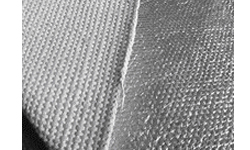
Dust Free Asbestos Yarn
Discover Kaxite Sealing's Dust Free Asbestos Yarn, an innovative sealing solution engineered for durability and safety. This product excels in high-temperature applications, offering superior insulation and sealing without dust release. Ideal for industrial and automotive professionals, it enhances operational efficiency and ensures a cleaner, safer work environment. Experience unparalleled reliability and peace of mind with this advanced material.
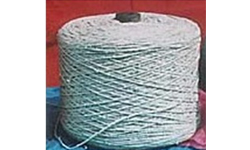
Asbestos Yarn
Kaxite Sealing's Asbestos Yarn offers superior heat and chemical resistance, ideal for industrial sealing applications. Its durable, flexible design ensures reliable performance in high-temperature environments, providing peace of mind for professionals. Experience unmatched quality and safety with our trusted solution.

Spun Kynol Fiber Yarn
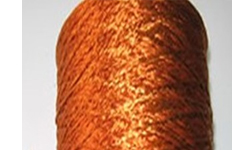
Discover Kaxite Sealing's Spun Kynol Fiber Yarn: a premium yarn crafted for durability and comfort, perfect for crafting cozy textiles. Its unique spun process ensures softness and strength, ideal for artisans and gift-givers in home and fashion projects. Experience the satisfaction of creating with superior quality that sets it apart from standard yarns.
Kynol Fiber Yarn
Discover Kynol Fiber Yarn by Kaxite Sealing, a premium yarn crafted for durability and versatility. Ideal for hobbyists and artisans, its unique composition ensures exceptional strength and softness, solving fraying issues. Experience enhanced creativity and satisfaction in knitting projects, standing out with superior quality. Unlock your crafting potential today!
Acrylic Fiber Yarn
Upgrade your textile projects with Kaxite Sealing's Acrylic Fiber Yarn, a soft, durable yarn ideal for crafting cozy sweaters and home decor. Offering vibrant colors and easy care, it stands out for its hypoallergenic quality and superior strength compared to wool. Perfect for knitters and gift-givers, this yarn transforms your creations into cherished, long-lasting items. Experience the joy of crafting with reliable quality—start your project today!
Ramie Yarn
Discover Kaxite Sealing's Ramie Yarn—a natural, breathable, and durable textile perfect for crafting eco-friendly fabrics and garments. Ideal for designers and eco-conscious consumers, it offers superior moisture-wicking and hypoallergenic properties, ensuring comfort and sustainability in everyday wear. Stand out with its unique, sustainable charm that blends quality with a greener lifestyle.