Injectable Sealant Tools from a Leading Manufacturer in China
What Are Injectable Sealant Tools and Why Are They Essential?
In the world of construction, manufacturing, and maintenance, achieving a perfect, durable seal is paramount. This is where Injectable Sealant Tools come into play. These specialized tools are engineered for the precise application of sealants—viscous materials used to block the passage of fluids, air, or debris through joints, seams, or openings. Unlike standard caulking guns, injectable sealant tools offer superior control, power, and consistency, making them indispensable for professionals tackling demanding sealing tasks in automotive, aerospace, marine, industrial assembly, and building construction.
Kaxite Sealing has spent decades at the forefront of this technology, refining tools that don't just apply sealant but ensure the integrity and longevity of the seal itself. The right tool prevents material waste, reduces labor time, and ensures the sealant performs as intended under pressure, temperature variations, and environmental stress.
Core Product Line: Kaxite Sealing Professional-Grade Tools
Kaxite Sealing offers a comprehensive range of injectable sealant tools designed for various applications and sealant viscosities. Our product line is built on principles of durability, user ergonomics, and precise output control.
1. Manual Sealant Injection Guns
Ideal for controlled, smaller-scale applications where portability and simplicity are key.
- KX-M200 Lever Gun: A robust, all-metal frame gun with a 10:1 thrust ratio for smooth application of medium-viscosity sealants.
- KX-M100 Pistol Grip Gun: Features a comfortable non-slip grip and a 7:1 ratio, perfect for overhead work and detailed bead application.
- KX-M300 Ratchet Gun: Incorporates a ratcheting mechanism to lock pressure, preventing backflow and allowing the user to pause without sealant oozing.
2. Pneumatic (Air-Powered) Sealant Pumps
For high-volume, repetitive applications in industrial settings. They provide consistent pressure with minimal operator fatigue.
- KX-P500 Series: Delivers adjustable pressure up to 3000 PSI. Compatible with 5-gallon pails and standard sausage packs.
- KX-P800 Drum Pump: Designed for direct insertion into 55-gallon drums, featuring a heavy-duty air motor and a long-life follower plate.
3. Battery-Powered Cordless Dispensers
Offer ultimate mobility and convenience without sacrificing power, eliminating the need for compressors or hoses.
- KX-C20 Cordless Gun: 18V Lithium-Ion battery provides up to 500 continuous strokes. Variable speed trigger and quick-change battery system.
- KX-C30 Pro Dispenser: High-torque motor handles the thickest adhesives and sealants. Features digital pressure readout and memory settings.
4. Accessories & Kits
Complete your sealing system with precision components.
- Static Mixer Nozzles: For multi-component sealants, ensuring perfect on-site mixing.
- Application Nozzles: Various shapes and sizes (fan, curved, tapered) for different bead profiles.
- Sealant Cartridge Adapters: Allow use of standard cartridges with pneumatic and battery-powered units.
- Maintenance Kits: Include replacement seals, lubricants, and cleaning tools.
Technical Specifications & Comparison Table
The following table outlines the key specifications of our flagship models to help you select the perfect tool for your job requirements.
| Model | Type | Max Pressure / Ratio | Capacity | Key Features | Ideal For |
|---|---|---|---|---|---|
| KX-M200 | Manual Lever Gun | 10:1 Thrust Ratio | Standard 300ml / 600ml Cartridges | All-metal construction, corrosion-resistant rod, easy-release mechanism | General construction, window/door sealing, automotive panel seams |
| KX-P500 | Pneumatic Pump | Up to 3000 PSI (Adjustable) | 5-Gallon Pail / Sausage Packs | Pressure regulator gauge, stainless steel fluid section, quick-connect couplers | High-volume production lines, wind turbine blade sealing, truck/trailer assembly |
| KX-C20 | Cordless Battery Gun | 2800 PSI Max | 300ml / 600ml Cartridges | 18V Battery, LED work light, ergonomic soft-grip handle, reversible rod | Field service, remote locations, HVAC installation, plumbing |
| KX-P800 | Pneumatic Drum Pump | Up to 2500 PSI | 55-Gallon Drum | Drum trolley compatible, extended suction tube, heavy-duty air valve | Large-scale industrial manufacturing, shipbuilding, aerospace component sealing |
Selecting the Right Injectable Sealant Tool: A Guide
Choosing the correct tool depends on several critical factors related to your project and the sealant material itself.
- Sealant Viscosity: Thicker, high-viscosity sealants (like certain polyurethanes or silicones) require tools with higher thrust ratios or pressure (e.g., KX-M200 or KX-P500). Thinner sealants can be handled by standard ratio guns.
- Job Volume & Frequency: For occasional use, a manual gun suffices. For daily, high-output tasks, pneumatic or cordless battery tools dramatically increase productivity and reduce operator strain.
- Application Precision: Detailed bead work needs a tool with excellent trigger control and optional precision nozzles. Our KX-C20 and KX-M100 excel here.
- Worksite Environment: Consider power availability. Cordless tools offer freedom, pneumatic tools need an air compressor, and manual tools are always ready but require more user effort.
- Material Packaging: Match the tool to the sealant's packaging—cartridges, sausage packs, pails, or drums. Using the correct adapter or pump head is crucial.
Frequently Asked Questions (FAQ) About Injectable Sealant Tools
Q: What is the main advantage of using a professional injectable sealant tool over a cheap caulking gun?
A: Professional tools like those from Kaxite Sealing provide consistent, controllable pressure. This ensures a uniform bead without air pockets or gaps, which are common with flimsy guns that "chatter." They also handle high-viscosity materials effortlessly, reduce user fatigue, and are built from durable materials for long-term reliability, ultimately providing a higher-quality seal and reducing material waste.
Q: How do I clean and maintain my Kaxite Sealing injectable tool?
A: Proper maintenance is key to longevity. After use, before the sealant cures, disassemble the nozzle and clean it with an appropriate solvent. For the gun itself, retract the plunger and wipe the rod clean. For pneumatic pumps, purge the system with a cleaning cartridge or solvent recommended for the sealant used. Regularly lubricate moving parts with silicone-based grease and inspect seals for wear. Always refer to the specific model's manual for detailed instructions.
Q: Can one tool handle all types of sealants, from silicone to epoxy?
A: While many tools are versatile, compatibility is crucial. Some sealants, like certain acidic cure silicones, can corroide metal parts. Kaxite Sealing tools often use corrosion-resistant rods and components. For two-part epoxies or polyurethanes, you must use a static mixer nozzle (for cartridges) or a dual-component pump system. Always check the tool's specifications and the sealant manufacturer's recommendations to ensure chemical and mechanical compatibility.
Q: My sealant is very thick and difficult to extrude. What tool should I use?
A: High-viscosity materials require high pressure. We recommend moving from a manual gun to a more powerful option. The KX-P500 Pneumatic Pump with adjustable pressure is excellent for thick sealants in bulk packaging. For cartridge-based thick sealants, the KX-C30 Pro Cordless Dispenser or the high-ratio KX-M300 Ratchet Gun provides the necessary force without excessive user effort.
Q: What does the thrust ratio (e.g., 10:1) mean on a manual injection gun?
A: The thrust ratio indicates the mechanical advantage. A 10:1 ratio means that for every 10 pounds of force you apply on the lever, the plunger exerts 100 pounds of force on the sealant cartridge piston. A higher ratio makes it easier to dispense thicker, more resistant sealants. A standard-duty gun might have a 3:1 or 5:1 ratio, while heavy-duty models like the KX-M200 feature a 10:1 or higher ratio.
Q: Are Kaxite Sealing tools compatible with other brand's sealant cartridges and pails?
A: Yes, absolutely. Kaxite Sealing tools are designed to industry-standard specifications. Our manual and cordless guns accept standard 300ml and 600ml cartridges (standard "caulk gun" size). Our pneumatic pumps are compatible with standard 5-gallon pail lids and sausage pack configurations. Adapters are also available for less common packaging types.
Q: Why is my pneumatic sealant pump experiencing pressure drop or inconsistent flow?
A: Inconsistent flow can stem from several issues: 1) A low or fluctuating air supply from the compressor—ensure you have adequate CFM at the required PSI. 2) Worn or damaged seals in the pump's fluid section, allowing internal bypass. 3) Airlocks in the material suction line. 4) Using a sealant viscosity beyond the pump's design limits. Start by checking your air supply and then inspect seals and prime the system properly.
Q: Can I use injectable sealant tools for applications other than sealants, like adhesives or lubricants?
A: Yes, many of these tools are multi-purpose and can be used for dispensing viscous adhesives, greases, anti-seize compounds, and other paste-like materials. The key is to ensure the material's particle size and chemical properties are compatible with the tool's wetted parts (seals, tubes). Always clean the tool thoroughly when switching between different material types to prevent cross-contamination and cure inhibition.
- View as
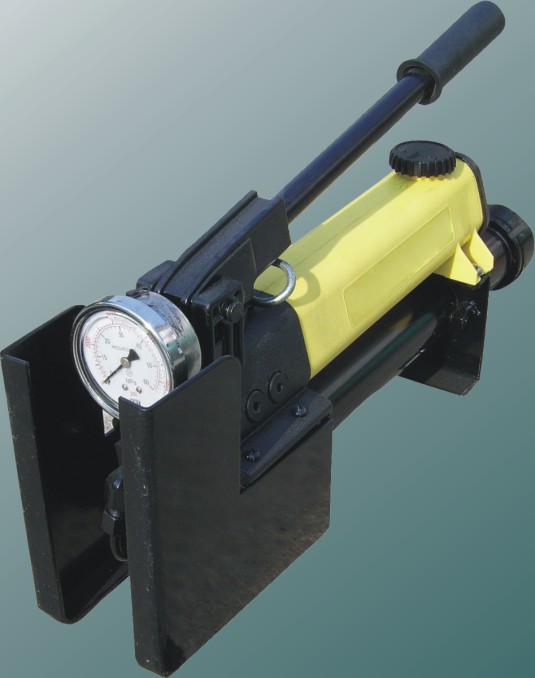
Injection Gun
Kaxite Sealing's Injection Gun is a precision tool designed for seamless application in industrial and DIY projects. Crafted from durable materials with ergonomic design, it ensures effortless control and consistent results. Ideal for professionals and enthusiasts tackling sealing tasks in construction, automotive, or home repairs, it solves messy applications, saving time and materials. The unique push-button mechanism sets it apart from bulkier alternatives, offering smooth operation and minimal waste. Feel confident and efficient with every use—upgrade your toolkit for reliable, professional-grade performance.