Premium Vegetable Fiber Packing Factory in China for Eco-Friendly Product Packaging Solutions
Introduction to Vegetable Fiber Packing
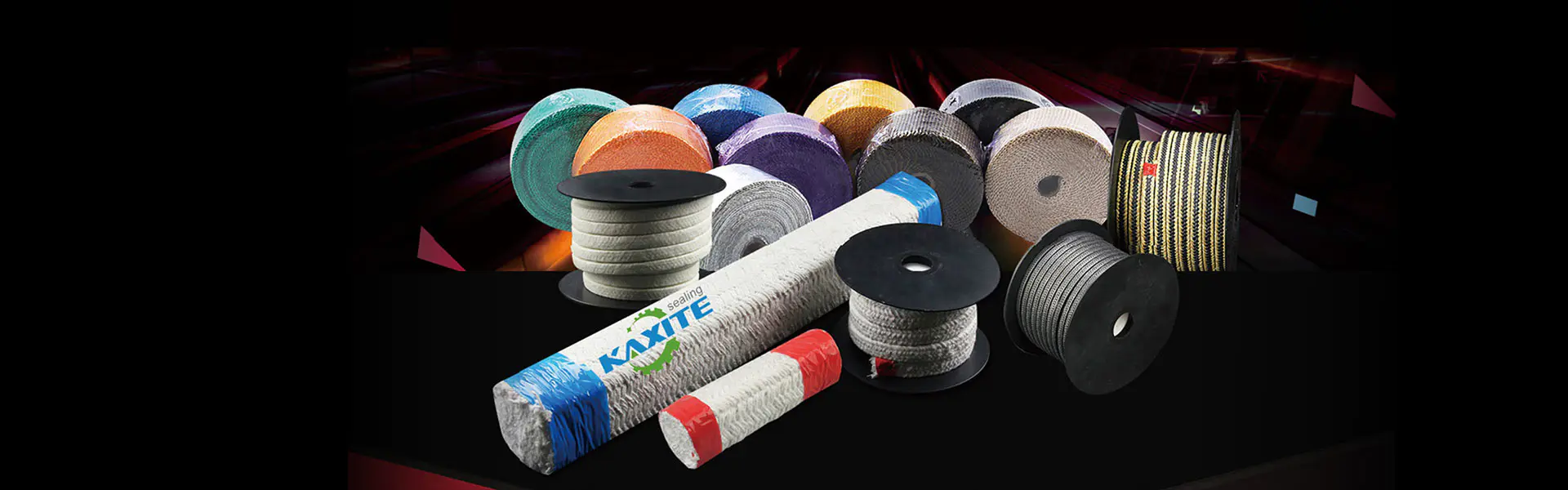
In the demanding world of industrial sealing, finding a reliable, sustainable, and high-performance solution is paramount for operational efficiency and environmental responsibility. Kaxite Sealing stands at the forefront of this innovation with our premium line of Vegetable Fiber Packing. This specialized sealing material is engineered from natural, renewable fibers, offering an exceptional balance of durability, thermal resistance, and environmental friendliness. It is the ideal choice for a wide range of applications, including pumps, valves, and mixers handling hot water, mild chemicals, and various industrial fluids. Unlike synthetic alternatives, our vegetable fiber packing provides a robust seal while minimizing environmental impact, aligning with modern green manufacturing principles without compromising on performance or longevity.
Key Product Features and Benefits
Kaxite Sealing's Vegetable Fiber Packing is designed with precision to meet the rigorous standards of diverse industries. Its inherent properties stem from carefully selected and processed natural fibers, resulting in a product that excels in numerous operational scenarios.
- Superior Thermal Resistance: Excels in high-temperature environments, maintaining seal integrity and flexibility where other packings might fail.
- Excellent Absorption and Swell: The natural fibers absorb lubricants and fluids effectively, allowing the packing to swell slightly and create a self-adjusting, tight seal against the shaft or stem.
- Outstanding Durability: Reinforced through a proprietary braiding process, it offers remarkable resistance to wear, abrasion, and mechanical stress, extending service life and reducing downtime.
- Chemical Compatibility: Provides reliable performance with a broad spectrum of media, including hot water, steam, mild alkalis, acids, and many organic solvents.
- Environmentally Sustainable: Manufactured from rapidly renewable plant-based resources, it is biodegradable and offers a responsible end-of-life solution compared to synthetic or asbestos-based packings.
- Reduced Shaft Wear: Its naturally lubricating properties and soft texture help protect costly equipment components from excessive wear and scoring.
- Easy Installation and Adjustment: The pliable and consistent braid allows for straightforward installation and re-tightening, simplifying maintenance procedures.
Detailed Technical Specifications and Parameters
To ensure precise selection and application, Kaxite Sealing provides comprehensive technical data for our Vegetable Fiber Packing. The following tables detail the standard specifications and performance metrics.
Standard Physical and Mechanical Properties
| Parameter | Specification / Value | Test Standard |
|---|---|---|
| Primary Fiber Material | Long-Staple Abaca (Manila Hemp), Flax, or other selected vegetable fibers | - |
| Braid Construction | Square braid, plaited braid, or twisted | - |
| Standard Color | Natural beige/tan | - |
| Density | 0.9 - 1.1 g/cm³ | ASTM D3800 |
| Tensile Strength | ≥ 120 MPa | ASTM D885 |
| pH Range (Compatibility) | 4 - 10 | - |
| Moisture Content (as shipped) | < 8% | ASTM D2654 |
Operational Performance Parameters
| Performance Category | Range / Limit | Notes |
|---|---|---|
| Temperature Range | -20°C to +220°C (-4°F to +428°F) | Short-term peaks up to 250°C (482°F) possible |
| Pressure Range | Up to 25 bar (360 psi) | Dependent on size, speed, and media |
| Shaft Speed (PV Value) | Up to 8 m/s (2600 ft/min) | Recommend lubrication for high-speed applications |
| Compatible Media | Hot/Cold Water, Steam, Oils, Mild Acids & Alkalis, Alcohols, Glycols, Brine, Sewage | Not recommended for strong oxidizing agents or concentrated acids |
| Standard Sizes (Square Section) | 3mm to 50mm (1/8" to 2") | Custom sizes and braid styles available on request |
Applications of Vegetable Fiber Packing
The versatility of Kaxite Sealing's Vegetable Fiber Packing makes it a preferred solution across multiple sectors. Its robust performance in both rotary and reciprocating equipment ensures leak-free operation and enhanced safety.
- Water & Wastewater Treatment: Ideal for centrifugal pumps, mixers, and valves handling potable water, process water, and sewage.
- Food & Beverage Processing: Safe for use in equipment handling hot water, steam, and mild food-grade cleaning solutions, meeting hygiene standards.
- Chemical Processing (Mild Services): Suitable for pumps and valves transferring glycols, alcohols, dilute acids, and alkaline solutions within its pH range.
- Power Generation: Effective in boiler feed pumps, auxiliary cooling water pumps, and other low-pressure steam applications.
- Marine & Shipbuilding: Used in saltwater cooling pumps, ballast systems, and general service pumps aboard vessels.
- General Industrial Maintenance: A reliable, all-purpose packing for a vast array of rotating equipment in manufacturing plants.
Vegetable Fiber Packing - FAQ (Frequently Asked Questions)
Q: What exactly is Vegetable Fiber Packing made from?
A: Kaxite Sealing's Vegetable Fiber Packing is primarily manufactured from high-grade, long-staple natural fibers such as Abaca (Manila hemp), flax, or cotton. These fibers are meticulously cleaned, processed, and impregnated with lubricants or inhibitors before being braided into a cohesive, dense packing material. The specific fiber blend is chosen to optimize strength, flexibility, and resistance to specific media.
Q: How does it compare to synthetic packings like PTFE or Aramid?
A: While synthetic packings like PTFE excel in chemical resistance and aramids in extreme temperature/abrasion, vegetable fiber packing offers a unique balance. It provides excellent performance in hot water/steam applications, is naturally more lubricious (reducing shaft wear), and is significantly more sustainable and biodegradable. It is often more cost-effective for general-purpose and hot water services where its natural properties are optimal.
Q: Is pre-lubrication or break-in required for vegetable fiber packing?
A: Yes, most vegetable fiber packings benefit from a break-in period. They often contain a lubricant (like a food-grade oil or wax) from the manufacturer. During initial startup, it is crucial to follow proper installation procedures: tighten the gland finger-tight, run the equipment for 15-30 minutes, then gradually tighten the gland nuts in small increments (typically 1/6th of a turn) at 10-15 minute intervals until a slight leakage is achieved for cooling. This allows the packing to seat and form a perfect seal.
Q: Can it be used in potable water applications?
A: Absolutely. Kaxite Sealing offers specific grades of Vegetable Fiber Packing that are manufactured with FDA-compliant or other relevant national food-contact approved lubricants and fibers. These grades are non-toxic, non-contaminating, and safe for use in pumps and valves handling drinking water.
Q: What is the expected service life of vegetable fiber packing?
A: Service life varies greatly based on application conditions: shaft speed, temperature, pressure, media abrasiveness, and alignment. With proper installation, adjustment, and in suitable applications (like hot water pumps), Kaxite Sealing's packing can provide reliable service for several months to a few years. Regular maintenance checks for leakage and proper gland adjustment are key to maximizing lifespan.
Q: How do I select the correct size?
A: The correct size is determined by measuring the space between the shaft (or stem) and the stuffing box wall (the bore). The packing cross-section should match this clearance. A simple formula is: (Stuff Box Bore - Shaft Diameter) / 2 = Packing Cross-Section. Our technical team at Kaxite Sealing can provide detailed guidance based on your equipment model and operating conditions.
Q: Is it suitable for high-speed rotary equipment?
A: Vegetable fiber packing can be used in moderate-speed rotary applications (up to 8 m/s). For very high-speed shafts, specialized synthetics or carbon packings might be more appropriate. However, for many standard centrifugal pumps, our packing's natural lubricity and heat dissipation properties make it an excellent choice. Always consult Kaxite Sealing's technical data or support team for application-specific recommendations.
Q: How should used vegetable fiber packing be disposed of?
A: One of the significant advantages of this material is its environmental profile. Since it is made from natural, biodegradable fibers, disposal is simpler than for many synthetic alternatives. It can often be disposed of with general industrial waste in accordance with local regulations. However, if the packing has been exposed to hazardous chemicals, it must be treated and disposed of as per the guidelines for that specific contaminant. Always check local environmental regulations.
- View as
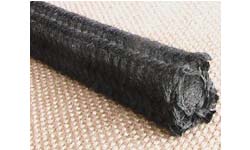
Ramie Packing with Graphite
Discover Kaxite Sealing's Ramie Packing with Graphite, a durable sealing solution ideal for industrial applications. Its blend of ramie fibers and graphite offers superior performance, reducing maintenance and downtime. Perfect for engineers and maintenance teams, it ensures reliable sealing in demanding environments, boosting efficiency and confidence. Stand out with our high-quality materials and trusted brand.
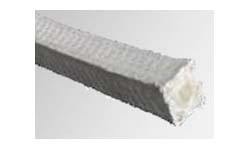
Ramie Fiber Packing
Kaxite Sealing's Ramie Fiber Packing offers superior sealing for industrial and mechanical applications. Made from eco-friendly ramie fiber, it ensures durability, heat resistance, and leak prevention, making it ideal for engineers and facility managers in demanding environments. Its unique natural composition outperforms synthetic alternatives, delivering reliable performance and peace of mind. Elevate your operations with this trusted solution—experience unmatched quality today.
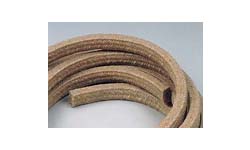
Flax Packing with Grease
Kaxite Sealing's Flax Packing with Grease offers durable, eco-friendly sealing for industrial applications. Made from premium flax fibers and enhanced grease, it ensures superior leak prevention and long-lasting performance. Ideal for mechanics, engineers, and manufacturers in demanding environments, this product reduces downtime and enhances operational efficiency. Experience reliable protection and peace of mind with its unique, easy-to-apply design. Choose Kaxite Sealing for quality that stands out.
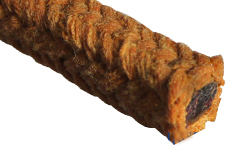
Cotton Fiber Packing with Grease
Discover Kaxite Sealing's Cotton Fiber Packing with Grease, a durable sealing solution designed for industrial applications like valves and pumps. Its key advantage lies in the combination of high-quality cotton fibers and grease, ensuring reliable performance, easy installation, and resistance to wear. Ideal for engineers and maintenance professionals in harsh environments, this product reduces downtime and enhances safety, offering peace of mind through superior sealing compared to standard options. Experience enhanced efficiency and long-lasting protection—trust Kaxite Sealing for your sealing needs.
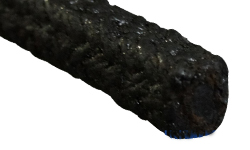
Cotton Fiber Packing with Graphite
Discover Kaxite Sealing's Cotton Fiber Packing with Graphite: a durable, high-performance sealing solution for industrial applications. Its unique blend of cotton fibers and graphite ensures excellent flexibility, heat resistance, and longevity, reducing maintenance costs and downtime. Ideal for engineers and technicians in demanding environments, it provides reliable, leak-free performance that boosts efficiency and peace of mind. With superior sealing capabilities and trusted quality, Kaxite Sealing stands out for industry excellence.
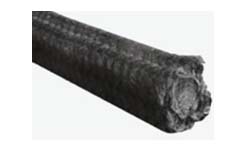
Glass Fiber Packing with Graphite Impregnation
Kaxite Sealing's Glass Fiber Packing with Graphite Impregnation is a durable sealing solution for industrial applications, offering superior heat resistance and low friction. Its graphite-enhanced design ensures reliable performance in harsh environments like pumps and valves, reducing maintenance costs. This product stands out with its long-lasting durability and ease of installation, inspiring confidence and efficiency for engineers and operators. Choose Kaxite Sealing for a smarter, more resilient seal.