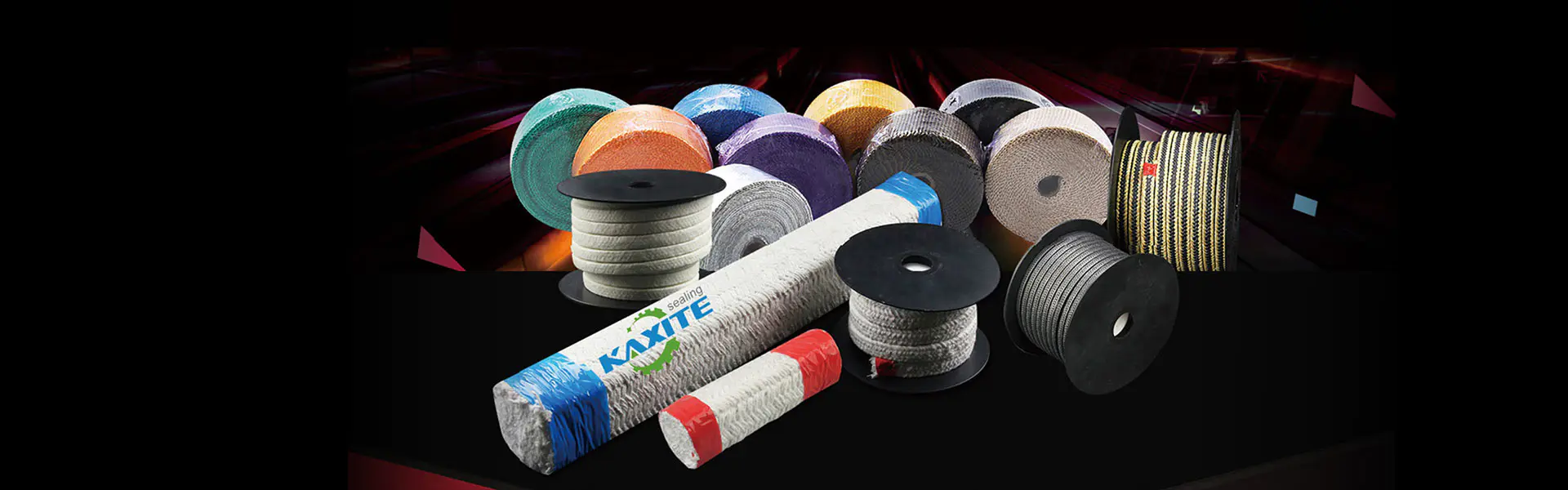
Ceramic Fiber Factory in China Delivering High-Temperature Insulation Solutions for Industrial Applications
Ceramic Fiber: The High-Temperature Insulation Powerhouse
In the demanding world of industrial insulation, few materials offer the combination of thermal efficiency, resilience, and versatility that Ceramic Fiber does. As a cornerstone of modern high-temperature processes, ceramic fiber, also known as alumina-silicate wool, is engineered to provide superior thermal management in environments where conventional materials would fail. At Kaxite Sealing, we specialize in manufacturing premium-grade ceramic fiber products that meet the rigorous standards of industries worldwide, from metal processing and petrochemicals to power generation and aerospace.
Our commitment at Kaxite Sealing is to deliver more than just insulation; we provide engineered solutions that enhance operational safety, improve energy efficiency, and extend equipment lifespan. This article delves deep into the technical specifications, applications, and advantages of ceramic fiber, highlighting why Kaxite Sealing products are the trusted choice for engineers and procurement specialists.
Core Properties and Technical Advantages
The exceptional performance of ceramic fiber stems from its unique composition and structure. Primarily made from alumina (Al2O3) and silica (SiO2), it is melted and spun or blown to create a flexible, low-density mat of interlocked refractory fibers. This structure is the key to its remarkable properties.
- Extreme Temperature Resistance: Capable of continuous operation from 1260°C (2300°F) up to 1600°C (2912°F) for specific high-purity grades, making it ideal for lining furnaces, kilns, and boilers.
- Low Thermal Conductivity: Its fibrous matrix traps air, creating an highly effective barrier against heat flow, which significantly reduces energy consumption and heat loss.
- Lightweight and Low Heat Storage: With a low bulk density, it minimizes the thermal mass of furnace linings. This allows for faster heat-up and cool-down cycles, boosting productivity and process control.
- Excellent Thermal Shock Resistance: It can withstand rapid temperature changes without cracking or spalling, unlike traditional refractory bricks.
- Chemical Stability: Resistant to most corrosive atmospheres, with the exception of hydrofluoric acid, phosphoric acid, and strong alkalis.
- Flexibility and Ease of Installation: Available in blankets, boards, papers, and custom shapes, it can be easily cut and fitted to complex geometries.
Kaxite Sealing Ceramic Fiber Product Specifications
Kaxite Sealing offers a comprehensive range of ceramic fiber products tailored for specific thermal ranges and applications. Below is a detailed breakdown of our standard product line's key parameters.
Ceramic Fiber Blanket & Bulk Fiber Classification by Temperature Grade
| Product Grade | Classification Temperature (°C) | Continuous Use Limit (°C) | Al2O3 Content (%) | Typical Density Range (kg/m³) | Primary Applications |
|---|---|---|---|---|---|
| Standard Grade | 1260 | 1100 | 44-47 | 64-128 | General furnace lining, heat treatment equipment |
| High Purity Grade | 1400 | 1200 | 47-49 | 96-128 | Petrochemical heaters, ceramic kiln backing |
| High Alumina Grade | 1430 | 1250 | 52-55 | 96-128 | Steel industry furnaces, non-ferrous metal processing |
| Zirconia Grade | 1600 | 1350-1400 | 37-41 (with Zirconia) | 128-160 | Glass melting furnaces, high-temperature kilns |
Ceramic Fiber Board & Module Specifications
| Product Form | Thickness (mm) | Width x Length (mm) | Density (kg/m³) | Cold Crushing Strength (MPa) | Linear Shrinkage (% , 24h at rated temp) |
|---|---|---|---|---|---|
| Vacuum-Formed Board | 10-50 | 600x900, 1200x1000 | 280-320 | >1.0 | <3.5 |
| Folding Module | 25, 30 | 300x300 (standard) | 220-240 | N/A | <2.0 |
| Compressed Board | 6-25 | 610x1220, 1000x1200 | 300-350 | >1.5 | <2.5 |
Ceramic Fiber FAQ: Answering Your Critical Questions
Q: What is the primary safety concern when handling ceramic fiber?
A: Fresh, un-installed ceramic fiber products are classified as a "nuisance dust" and may be irritant. The fibers can be brittle and may cause temporary skin, eye, or respiratory irritation. It is crucial to wear appropriate personal protective equipment (PPE) including gloves, safety glasses, and a NIOSH-approved dust mask during handling, cutting, and installation. Once installed and heated, the fibers undergo a process called "devitrification," where they convert to a more crystalline, less fibrous structure, significantly reducing the irritation potential.
Q: How does ceramic fiber compare to traditional firebrick or castable refractories?
A: Ceramic fiber offers distinct advantages in many applications. It is approximately 75% lighter than firebrick, leading to simpler support structures and faster installation. Its low thermal mass allows furnaces to reach operating temperature much quicker, saving energy and time. It also possesses superior thermal shock resistance. However, firebrick or castables may be preferable in applications subject to severe mechanical abrasion, high-velocity gas streams, or direct contact with molten metal/slag where erosion resistance is paramount.
Q: Can Kaxite Sealing ceramic fiber be used in contact with flames or high-velocity gases?
A: Direct flame impingement or high-velocity hot gases can cause erosion and degradation of the fiber surface over time. For such applications, Kaxite Sealing recommends using our hardened surface solutions. This includes coating the fiber surface with a refractory coating (e.g., our Kaxite Seal-Coat series) or using our range of ceramic fiber boards and vacuum-formed shapes which have higher surface hardness and erosion resistance compared to standard blankets.
Q: What factors determine the choice of ceramic fiber density for a furnace lining?
A: Density is a critical selection parameter. Lower density (e.g., 64 kg/m³) offers the best insulation value (lowest thermal conductivity) and is ideal for backup insulation. Medium density (96-128 kg/m³) provides a good balance of insulation, handling strength, and resilience, suitable for most hot face linings. Higher density products (>200 kg/m³), like our boards, offer greater resistance to gas erosion, mechanical abuse, and have higher structural integrity, making them suitable for doors, burner blocks, and areas with physical wear.
Q: How do I calculate the required thickness for a ceramic fiber lining?
A: The required thickness depends on the hot face temperature, desired cold face temperature, furnace design, and energy efficiency targets. It involves complex heat transfer calculations considering conduction through the fiber and heat loss to the environment. Kaxite Sealing provides technical support and can perform these calculations for our clients. As a general rule, higher operating temperatures and lower allowable heat loss require greater insulation thickness. Our engineering team can recommend the optimal grade and thickness for your specific application.
Q: Are Kaxite Sealing ceramic fiber products suitable for personnel protection or fire barrier applications?
A> Absolutely. Our ceramic fiber blankets and boards are non-combustible (ASTM E136) and excel as high-temperature fire barriers. They are used to create protective wraps for critical pipes, valves, and structural steel to maintain integrity during a fire event, helping to meet fire protection ratings. For personnel protection, such as heat shields or welding curtains, our products are fabricated into flexible curtains or rigid shields to protect workers from radiant heat.
Q: How should ceramic fiber modules be installed for optimal performance?
A> Proper installation is key to a monolithic, energy-efficient lining. Kaxite Sealing folding or blanket modules should be installed tightly together on a clean, prepared steel shell using the recommended alloy anchoring system (e.g., studs and speed washers). A compression of 10-15% is typically recommended during installation to account for shrinkage during the first heat-up and to ensure no gaps develop. The use of a high-temperature mastic between modules can further reduce heat leakage. Always follow our detailed installation guides or consult with our field engineers.
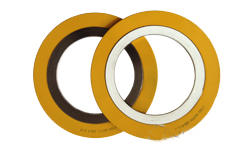
- View as
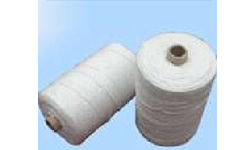
Ceramic Fiber Yarn
Kaxite Sealing introduces Ceramic Fiber Yarn—a high-temperature-resistant marvel for industrial insulation. Its lightweight, durable design excels in furnaces, boilers, and kilns, offering superior heat protection and energy efficiency. Ideal for engineers and manufacturers, it ensures safety and reliability, solving overheating issues with unmatched performance. Experience peace of mind and enhanced durability today!
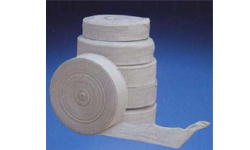
Ceramic Fiber Tape
Kaxite Sealing's Ceramic Fiber Tape delivers unmatched heat resistance and durability for industrial sealing, gasketing, and insulation. Made from high-quality ceramic fibers, it ensures long-term reliability in extreme temperatures up to 2300°F, ideal for engineers, manufacturers, and maintenance professionals in harsh environments. Experience peace of mind with enhanced safety and efficiency, while our innovative design offers superior flexibility and easy installation compared to standard tapes. Trust Kaxite Sealing for premium protection—order now to secure your operations!
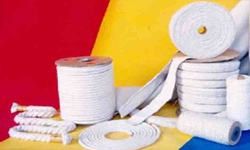
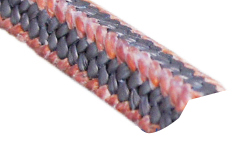
Ceramic Fiber Rope
Kaxite Sealing introduces the Ceramic Fiber Rope—a durable, high-temperature solution for industrial insulation and sealing. Made from premium ceramic fibers, it offers exceptional resilience, heat resistance up to 2300°F, and easy installation, making it ideal for engineers, manufacturers, and anyone needing reliable thermal protection in furnaces, boilers, or kilns. Experience peace of mind with enhanced safety and efficiency, plus our unique flexibility for complex applications. Boost your operations today with this trusted, high-performance product!
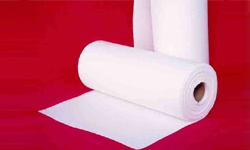
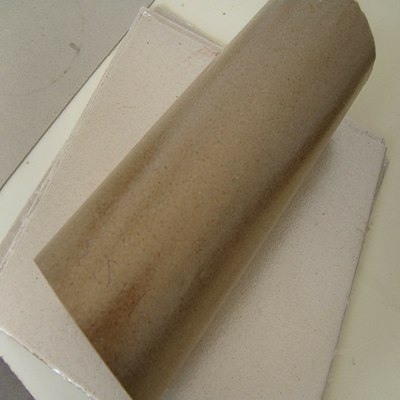
Ceramic Fiber Paper
Discover Kaxite Sealing's Ceramic Fiber Paper, a superior insulation solution for industrial professionals and DIY enthusiasts. Made from high-purity materials, it excels in heat resistance up to 1260°C, lightweight design, and easy handling, ideal for furnaces, boilers, and automotive applications. Experience enhanced safety, efficiency, and peace of mind by preventing heat loss and energy waste. Our eco-friendly, durable paper outlasts competitors with better flexibility and thermal performance. Upgrade your projects today for reliable, long-lasting protection.
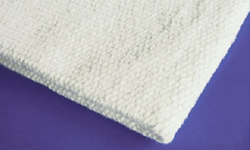
Ceramic Fiber Cloth
Kaxite Sealing's Ceramic Fiber Cloth offers superior heat resistance up to 2300°F, ideal for industrial insulation, gasketing, and fire protection. Its durable, non-combustible ceramic fibers ensure reliable performance in demanding environments, solving safety and efficiency challenges. Experience peace of mind with unmatched quality and durability.
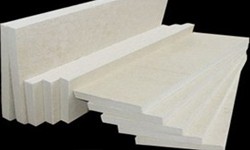
Ceramic Fiber Board
Discover Kaxite Sealing's Ceramic Fiber Board—a high-performance insulation solution engineered for superior thermal resistance and durability. Perfect for industrial applications, it offers unmatched safety and efficiency, ensuring reliability in extreme conditions. Experience the difference with our premium quality and expert craftsmanship, designed to meet your toughest challenges and deliver lasting peace of mind. Trust Kaxite Sealing for excellence in every board.