High-Performance Carbon Fiber Packing Manufacturer in China for Industrial Sealing Solutions
Carbon Fiber Packing: The Ultimate Sealing Solution for Demanding Applications
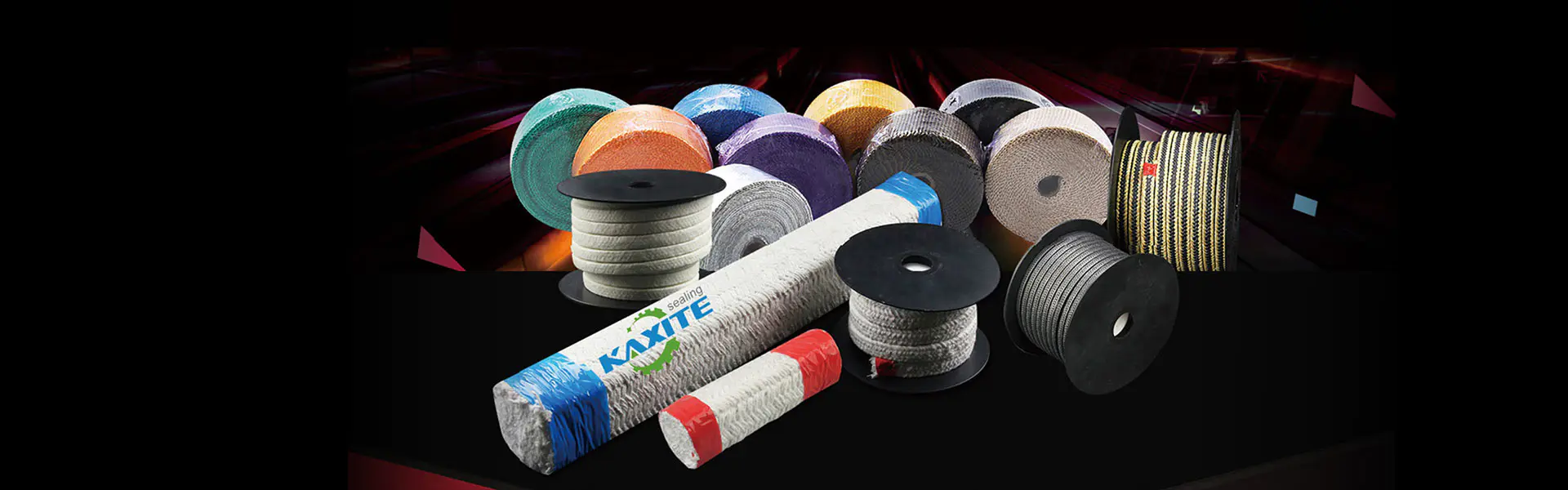
In the world of industrial sealing, few materials combine strength, resilience, and thermal stability as effectively as Carbon Fiber Packing. As a premier sealing solution, it is engineered to withstand the most extreme operating conditions, from aggressive chemicals to high-pressure, high-temperature environments. Kaxite Sealing has been at the forefront of developing and refining this advanced material, leveraging two decades of expertise to deliver a product that sets the benchmark for performance and durability. Unlike traditional packing materials like PTFE or aramid, carbon fiber packing utilizes high-strength carbon filaments, often combined with reinforcing agents like PTFE or graphite, to create a sealing medium that is not only robust but also self-lubricating and highly conductive.
This packing is specifically designed for applications where failure is not an option. Its exceptional thermal conductivity helps dissipate heat away from the shaft, reducing the risk of scoring and extending the life of both the packing and the rotating equipment. For engineers and maintenance professionals seeking a reliable, long-lasting seal for pumps, mixers, valves, and agitators, carbon fiber packing from Kaxite Sealing represents a smart, cost-effective investment in operational continuity and safety.
Key Product Features & Advantages of Kaxite Sealing Carbon Fiber Packing
The superior performance of our Carbon Fiber Packing stems from its unique composition and construction. Below are the core features that distinguish it in the marketplace:
- Exceptional Thermal Stability: Operates reliably in a continuous temperature range from -100°C to 350°C (-148°F to 662°F), with peak resistance up to 500°C (932°F) in inert atmospheres.
- Superior Chemical Resistance: Inert to a wide spectrum of chemicals, including strong acids, alkalis, solvents, and hydrocarbons, making it suitable for diverse chemical processing industries.
- High Tensile Strength & Low Creep: The inherent strength of carbon fibers provides excellent structural integrity under pressure, minimizing deformation over time for a consistent seal.
- Excellent Thermal Conductivity: Rapidly transfers frictional heat away from the shaft, preventing overheating and gland burnout, which is critical for high-speed rotary equipment.
- Self-Lubricating Properties: Integrated PTFE or graphite lubrication ensures smooth operation, reduces breakout and running torque, and minimizes shaft wear.
- Electrically Conductive: Helps prevent static charge build-up in applications involving flammable fluids, enhancing operational safety.
- Long Service Life: Outperforms traditional packing materials, reducing downtime, maintenance frequency, and total cost of ownership.
Detailed Technical Specifications & Data
To ensure proper selection and application, refer to the detailed technical parameters of Kaxite Sealing's standard Carbon Fiber Packing grades. The following table provides a comprehensive overview.
| Property / Parameter | Test Standard | Typical Value (Standard Grade CF-1000) | Typical Value (High-Temp Grade CF-2000HT) |
|---|---|---|---|
| Fiber Composition | N/A | Carbon Fibers, PTFE Impregnation | Carbon Fibers, High-Purity Graphite Impregnation |
| Continuous Temperature Range | ASTM D570 | -100°C to 280°C (-148°F to 536°F) | -100°C to 350°C (-148°F to 662°F) |
| Maximum Pressure (PSI) | API 622 / 682 | 2,500 PSI | 2,200 PSI |
| pH Range | N/A | 0 - 14 | 0 - 14 |
| Tensile Strength | ASTM D2256 | > 300 MPa | > 280 MPa |
| Thermal Conductivity (W/m·K) | ASTM E1461 | 8 - 12 | 15 - 20 |
| Density (g/cm³) | ASTM D3800 | 1.5 - 1.7 | 1.4 - 1.6 |
| Coefficient of Friction (Dynamic) | ASTM D1894 | 0.10 - 0.15 | 0.08 - 0.12 |
| Available Styles | N/A | Spool, Coil, Die-Formed Rings | Spool, Die-Formed Rings |
| Standard Sizes (Inch) | N/A | 1/4", 3/8", 1/2", 5/8", 3/4", 1" | 1/4", 3/8", 1/2", 5/8", 3/4" |
Standard Product Codes & Availability
Kaxite Sealing offers a range of carbon fiber packing products to suit various needs. Below is a quick-reference list for our core offerings.
- KX-CF1000: General Purpose Carbon/PTFE Packing. Ideal for pumps and valves handling acids, alkalis, and solvents at moderate temperatures.
- KX-CF1500: Conductive Carbon/Graphite Packing. Designed for services requiring static dissipation, such as hydrocarbon transfer.
- KX-CF2000HT: High-Temperature Carbon/Graphite Packing. Optimized for boilers, hot oil systems, and high-temperature heat exchangers.
- KX-CF2500AF: Anti-Friction Carbon Packing. Contains advanced lubricants for extremely high-speed centrifugal pumps and mixers.
- KX-CF3000CR: Corrosion-Resistant All-Carbon Packing. Uses specialized fibers for the most aggressive chemical exposures, including strong oxidizers.
Carbon Fiber Packing: Frequently Asked Questions (FAQ)
Q: What are the primary applications for Carbon Fiber Packing?
A: Carbon Fiber Packing from Kaxite Sealing is exceptionally versatile. Its primary applications include centrifugal and reciprocating pumps in chemical processing, pharmaceutical, and petrochemical plants; agitators and mixer shafts; boiler feedwater pumps; valves in high-temperature service; expansion joints; and any equipment requiring a seal that can handle thermal cycling, chemical attack, and high shaft speeds. It is particularly recommended for sealing hot water, steam, acids, caustics, hydrocarbons, and solvents.
Q: How does Carbon Fiber Packing compare to traditional graphite or PTFE-based packings?
A: Carbon fiber packing offers several distinct advantages. Compared to braided graphite, it has higher tensile strength and better resistance to blow-out under high pressure. Unlike pure PTFE packings, it has far superior thermal conductivity and dimensional stability at high temperatures, preventing gland overheating. It combines the chemical resistance of PTFE with the thermal and conductive properties of graphite, resulting in a more robust and reliable all-around performer, especially in dynamic sealing applications.
Q: Is Carbon Fiber Packing suitable for potable water or food-grade applications?A: Standard carbon fiber packing grades are engineered for industrial use. For applications involving potable water or food contact, Kaxite Sealing offers specialized FDA-compliant and NSF/ANSI 61 certified variants. These grades use certified lubricants and fibers to ensure no contamination of the medium. It is crucial to specify "food-grade" or "potable water grade" when inquiring for such applications.
Q: What is the correct installation procedure for this type of packing?
A: Proper installation is critical for optimal performance. Clean the stuffing box and shaft thoroughly. Cut packing rings on a clean, flat surface using a sharp blade and a mandrel of the correct shaft diameter—never wrap packing around the shaft to cut. Stagger ring joints by 90 degrees for each successive ring. Use a proper installation tool to seat each ring firmly without excessive force. Follow the manufacturer's recommended torque settings for the gland follower during initial compression and final adjustment after a short run-in period. Kaxite Sealing provides detailed installation guides with every product shipment.
Q: How do I determine the correct size and grade of packing for my equipment?
A: Selection depends on four key factors: 1) Equipment Type & Speed: Identify the pump, valve, or mixer model and its shaft/bore diameter and rotational speed. 2) Operating Conditions: Precisely know the fluid media, concentration, temperature (both continuous and peak), and pressure. 3) Chemical Compatibility: Cross-reference the fluid with our chemical resistance guide for the chosen grade. 4) Regulatory/Safety Needs: Determine if conductivity, food-grade approval, or other certifications are required. Kaxite Sealing's technical support team can assist with this selection process based on your specific data.
Q: Does Carbon Fiber Packing require a break-in or run-in period?
A: Yes, a controlled run-in period is essential. After installation, tighten the gland nuts finger-tight only. Start the equipment and allow it to run for 10-15 minutes. This allows the packing to warm up, seat itself, and exude lubricant. Then, gradually tighten the gland in small increments (typically 1/6th of a turn per adjustment) every 10-20 minutes until a slight leakage is observed (a few drops per minute is acceptable for cooling/lubrication). The goal is to achieve a balance between minimal leakage and acceptable temperature at the gland. Avoid over-tightening, as it causes excessive heat and wear.
Q: What are the signs that my Carbon Fiber Packing needs replacement?
A> Common indicators include a persistent, uncontrollable increase in leakage even after gland adjustment; a significant rise in operating temperature at the stuffing box; visible signs of packing degradation, such as fraying, powdering, or extrusion from the gland; and a noticeable increase in power consumption or shaft torque due to excessive friction. Regular maintenance schedules based on operating hours are the best practice to prevent catastrophic failure.
Q: Can Kaxite Sealing provide custom-engineered Carbon Fiber Packing solutions?
A: Absolutely. Kaxite Sealing specializes in developing custom sealing solutions. We can engineer packings with specific fiber blends, lubricant types and percentages, braid patterns (e.g., square, interlock), and die-formed ring sets for precise fitment. We also offer custom sizes outside our standard range and can develop packing for unique media or extreme pressure/temperature conditions. Contact our engineering department with your application details for a consultation.
- View as
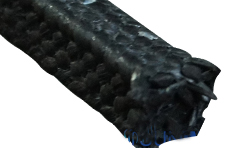
Carbon Fiber Packing
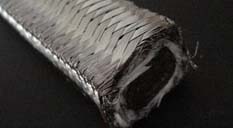
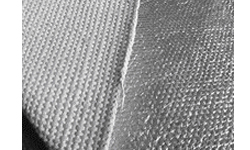
Discover Kaxite Sealing's Carbon Fiber Packing: a premium sealing solution engineered with advanced carbon fiber materials for robust performance in demanding industrial applications. This packing excels in high-temperature and high-pressure environments, offering superior durability, reduced friction, and enhanced sealing efficiency. Ideal for engineers and maintenance professionals in manufacturing, energy, and chemical sectors, it ensures reliable operation and minimizes downtime. With Kaxite Sealing’s innovative design, it outperforms traditional options by providing longer service life and consistent results. Elevate your systems with this cutting-edge solution today!
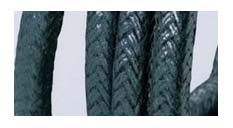
Carbonized Fiber Packing with Graphite
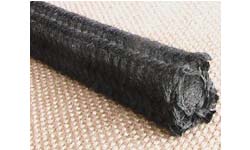
Upgrade your sealing solutions with Kaxite Sealing's Carbonized Fiber Packing with Graphite, a durable, high-performance product designed for industrial applications. Its superior graphite-infused material ensures excellent heat resistance and minimal friction, making it ideal for engineers and technicians in harsh environments. Experience reliable, leak-free performance that reduces downtime and boosts efficiency, setting it apart from standard packing options. Trust Kaxite Sealing for quality that delivers peace of mind and operational excellence.
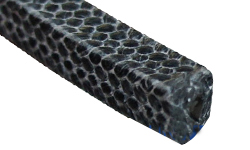
Carbonized Fiber Packing
Kaxite Sealing introduces Carbonized Fiber Packing, a robust sealing solution for demanding industrial environments. Made from advanced carbonized fibers, it offers exceptional durability, high-temperature resistance, and reliable performance. Ideal for engineers and technicians in chemical, power, and manufacturing industries, it ensures leak-free operations and reduces maintenance downtime. Stand out with superior longevity and cost-effectiveness, delivering peace of mind and enhanced operational efficiency.