Copper Gaskets Manufacturer in China
When absolute reliability under extreme pressure and temperature is non-negotiable, engineers and procurement specialists turn to a fundamental sealing solution: the Copper Gaskets. As a seasoned expert in industrial sealing with over two decades of experience, I can attest that few materials match copper's unique combination of malleability, thermal conductivity, and corrosion resistance for critical sealing applications. At Kaxite Sealing, we have refined the science and craftsmanship behind these essential components, ensuring they perform flawlessly in the world's most demanding environments.
Unlike generic seals, a properly engineered copper gasket is a precision component. Its primary function is to create a metallicto-metal seal that flows into the microscopic imperfections of flange faces, creating an impervious barrier. This makes them indispensable in industries where safety and integrity are paramount.
Why Choose Kaxite Sealing Copper Gaskets?
Our commitment at Kaxite Sealing goes beyond supplying a product; we provide engineered sealing solutions. Our copper gaskets are manufactured from high-purity, certified copper alloys, selected for specific application needs. Every batch undergoes rigorous quality checks to ensure consistent material properties, dimensional accuracy, and performance.
- Superior Material Integrity: We use C10100, C10200, C11000, and other relevant alloy grades, ensuring optimal softness for sealing without compromising structural integrity under load.
- Precision Manufacturing: Utilizing advanced CNC machining, stamping, and laser cutting, we achieve tolerances that meet or exceed ASTM, ASME, and customer-specific specifications.
- Application-Specific Design: Whether it's for static sealing in high-vibration environments or for high-temperature cyclic duty, our engineering team can recommend or customize the optimal profile.
- Proven Performance: Kaxite Sealing gaskets are trusted in power generation, oil & gas, aerospace, and chemical processing applications worldwide.
Detailed Product Parameters & Specifications
Understanding the specifications is crucial for correct selection. Below are the key parameters that define Kaxite Sealing Copper Gaskets.
Standard Material Grades & Properties
| Alloy Grade | Common Name | Temper | Typical Hardness (Rockwell B) | Key Characteristics | Ideal Application |
|---|---|---|---|---|---|
| C10100 / C10200 | Oxygen-Free Copper | Soft / Annealed | 20 - 40 HRB | Highest conductivity, excellent malleability, superior corrosion resistance. | Electrical bushings, vacuum furnaces, high-purity systems. |
| C11000 | Electrolytic Tough Pitch (ETP) | Soft / Half-Hard | 40 - 70 HRB | Excellent formability, good conductivity, standard industrial grade. | General industrial flanges, heat exchangers, engine components. |
| C12200 | Phosphorus Deoxidized Copper | Soft | 25 - 45 HRB | Resistant to hydrogen embrittlement, good for brazing and welding. | High-temperature water/steam service, plumbing fixtures. |
Standard Gasket Profiles & Dimensions
We offer a comprehensive range of standard and custom profiles. Common types include:
- Flat Ring Gaskets (Ring Type Joint - RTJ style): Simple, solid rings for standard flanges.
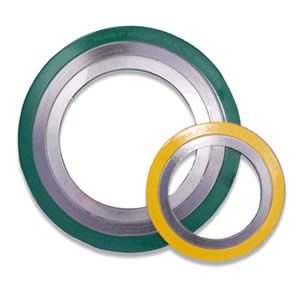
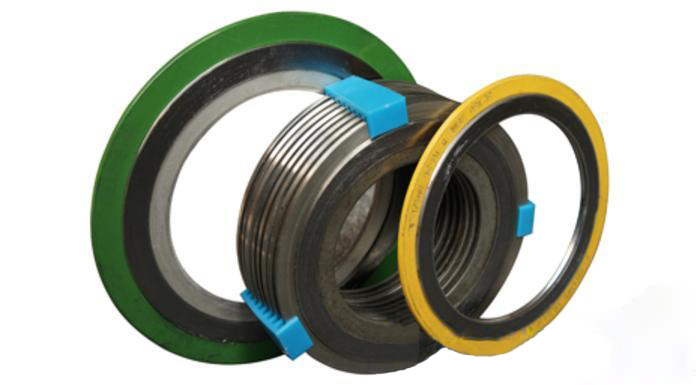
- Spiral-Wound Fillers (with copper winding): Used as the inner fill for spiral-wound gaskets in high-pressure service.
- Corrugated / Serrated Gaskets: Provide enhanced sealing with lower bolt load requirements.
- Lens Rings: For ultra-high-pressure applications like reactor closures.
- Custom Shapes: Oval, square, or complex geometries machined to print.
| Profile Type | Standard Size Range (Inner Dia.) | Standard Thickness | Standard Width (Cross-Section) | Pressure Rating (Typical) | Temperature Range (Continuous) |
|---|---|---|---|---|---|
| Flat Ring | 15 mm to 1500 mm | 1.5 mm to 6.0 mm | 5 mm to 25 mm | Up to 300 Bar | -200°C to +450°C |
| Corrugated | 50 mm to 1000 mm | 2.0 mm to 4.5 mm | 10 mm to 30 mm | Up to 150 Bar | -200°C to +400°C |
| Lens Ring | 100 mm to 600 mm | Varies by design | Varies by design | 1000 Bar+ | -50°C to +550°C |
Surface Finish & Coatings
Kaxite Sealing can apply specific finishes to enhance performance:
- Plain Mill Finish: Standard finish, suitable for most applications.
- Electro-Tin Plating: Prevents oxidation (greening), eases disassembly, and improves sealing in some corrosive environments.
- Silver Plating: Used for high-temperature applications to prevent galling and improve reusability.
- Passivation: Chemical treatment to enhance corrosion resistance.
Copper Gaskets: Frequently Asked Questions (FAQ)
Q: What are the primary advantages of copper gaskets over other soft metal gaskets like aluminum?
A: Copper offers a superior balance of properties. It has higher strength and creep resistance than aluminum, meaning it maintains sealing force better at elevated temperatures. Its thermal conductivity is excellent, helping to equalize temperature across flanges. Copper is also more resistant to oxidation and corrosion in many chemical environments compared to aluminum, and it retains its ductility (malleability) across a wide temperature range, allowing it to flow and seal effectively.
Q: Are copper gaskets reusable?
A: Copper gaskets are generally considered single-use, especially in critical sealing applications. During initial installation, the soft copper deforms (cold flows) to conform to the flange surface imperfections. Once disassembled, this deformed gasket has lost its original geometry and sealing force. Reusing it risks a leak. For lower-pressure, non-critical applications, a visually perfect, lightly used gasket might be re-torqued, but Kaxite Sealing strongly recommends replacement with a new gasket for guaranteed integrity.
Q: How do I determine the correct hardness (temper) of copper for my application?
A: The selection depends on flange material, surface finish, and pressure. Softer, annealed copper (e.g., C10100 soft) is used for the best sealing on rough or imperfect surfaces and lower bolt loads. Harder tempers (half-hard) are used for smoother flanges, higher pressures, or where excessive extrusion into flange gaps is a concern. The engineers at Kaxite Sealing can advise on the optimal temper based on your specific design parameters.
Q: What is the proper installation torque for a copper ring gasket?
A: There is no universal torque value. Correct bolt load is critical and is calculated based on gasket dimensions, copper yield strength, desired seating stress, and bolt specifications (grade, size, lubrication). A common mistake is under-torquing, which fails to achieve proper gasket flow, or over-torquing, which can crush the gasket, damage flanges, or stress bolts. Always follow the equipment manufacturer's procedure or consult torque calculations based on ASME PCC-1 guidelines. Kaxite can provide recommended seating stress values for our products.
Q: Can copper gaskets be used with stainless steel flanges? Will they cause galvanic corrosion?
A: Yes, copper gaskets are frequently used with stainless steel flanges. While copper and stainless steel are far apart on the galvanic series, making corrosion of the copper anode possible, the risk in a dry, oil, or gas system is often low. The risk increases in continuous immersion in conductive electrolytes (e.g., seawater). Mitigation strategies include using a plated gasket (tin or silver), ensuring the gasket is completely encapsulated between flanges to limit oxygen exposure, or applying a suitable anti-seize compound. For critical wet service, a material review is essential.
Q: Why does my new copper gasket have a slight oxidation or tarnish? Does this affect performance?
A: Pure copper naturally forms a thin, protective oxide layer (patina) when exposed to air. This slight tarnish is normal and does not negatively impact the sealing performance. In fact, this layer is often softer than the base metal and can aid in initial sealing. The sealing action relies on the bulk deformation of the metal, not the surface condition. However, for applications requiring pristine surfaces (e.g., ultra-high vacuum), we supply gaskets with protective coatings or packaging.
Q: How does Kaxite Sealing ensure the quality and consistency of its copper gaskets?
A: Quality is ingrained in our process at Kaxite Sealing. It starts with certified raw material from reputable mills. Our manufacturing is controlled with statistical process control (SPC) techniques. Every production run includes checks for dimensional accuracy (with CMM for critical parts), visual inspection for defects, and batch testing for material hardness and conformance to specified temper. We maintain full traceability from raw material to final product, providing material certifications (MTCs) as standard.
Applications of Kaxite Sealing Copper Gaskets
The versatility of our copper gaskets makes them suitable for a vast array of severe-service applications across multiple industries.
- Power Generation: Turbine casings, steam valve bonnets, generator end covers, and heat exchanger flanges in both conventional and nuclear plants.
- Oil & Gas (Upstream & Downstream): Wellhead equipment, Christmas tree assemblies, compressor flanges, refinery process connections, and LNG heat exchangers.
- Aerospace & Defense: Rocket engine thrust chambers, fuel and oxidizer line seals, and high-pressure hydraulic systems.
- Chemical & Petrochemical: Reactor vessel manways, high-pressure autoclaves, and pump seals for aggressive media.
- High Vacuum Systems: Seals for chamber doors, feedthroughs, and pump connections where organic gaskets would outgas.
- Automotive & Motorsport: Turbocharger housings, high-performance engine head gasket shims, and testing equipment.
- View as
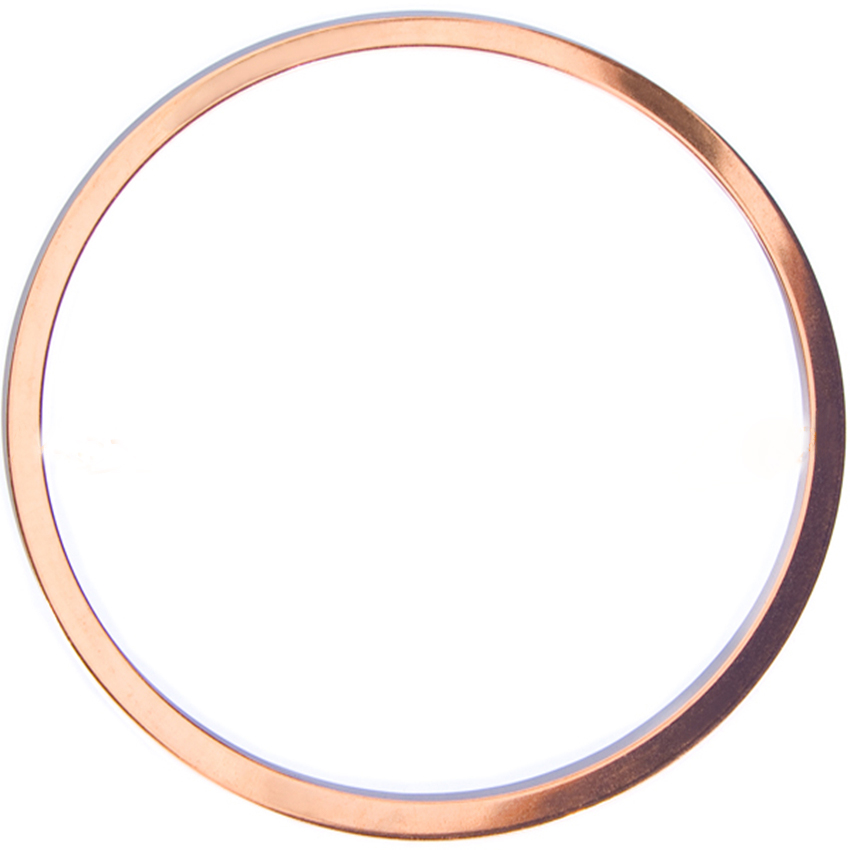
OFHC Copper Gaskets for CF Flanges
Experience superior sealing with Kaxite Sealing's OFHC Copper Gaskets for CF Flanges, crafted from 99.95% oxygen-free high-conductivity copper for exceptional thermal and electrical performance in high-vacuum and ultra-high vacuum applications. Ideal for semiconductor, aerospace, and research industries, these gaskets ensure leak-tight seals under extreme conditions, solving critical pressure issues with unmatched reliability. Unlike standard gaskets, they offer enhanced durability and corrosion resistance, backed by Kaxite's commitment to precision engineering—upgrade your systems with confidence and reliability today.
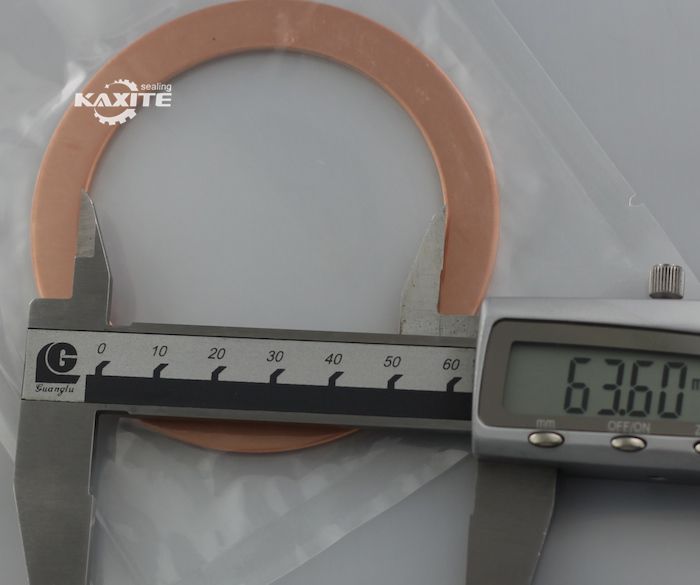
Oxygen Free Copper Gaskets
Experience peak performance with Kaxite Sealing's Oxygen Free Copper Gaskets, designed for superior durability and airtight sealing in demanding applications. These gaskets ensure reliability and efficiency, ideal for automotive, industrial, and high-tech sectors, offering unmatched corrosion resistance and a perfect fit. Elevate your projects with trusted quality and seamless results.
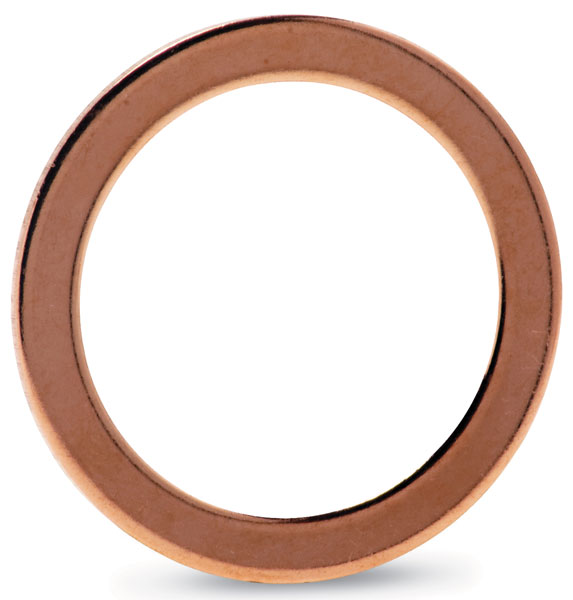
OFHC Copper Gaskets
Kaxite Sealing's OFHC Copper Gaskets offer exceptional durability and performance, ideal for high-pressure, high-temperature applications in the chemical industry. Their superior conductivity and corrosion resistance solve sealing challenges, ensuring reliability. Experience unmatched quality and peace of mind with every installation.
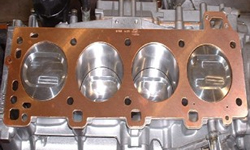
Copper Head Gasket
Enhance your engine's performance with Kaxite Sealing's Copper Head Gasket, a durable sealing solution designed for superior heat resistance and reliability. This high-quality gasket prevents leaks and ensures optimal compression, ideal for automotive enthusiasts and mechanics seeking longevity. Experience peace of mind with its exceptional durability, setting it apart from standard options—trust Kaxite Sealing for a smoother, more efficient ride.
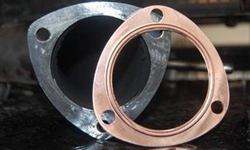
Copper Exhaust Gasket
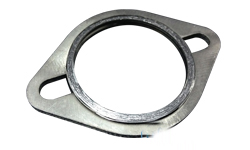
Discover the premium Copper Exhaust Gasket from Kaxite Sealing, designed for superior durability and optimal performance. Crafted from high-quality copper, it ensures a perfect seal, reduces emissions, and enhances engine efficiency for automotive enthusiasts and professionals. Experience reliable, long-lasting protection that sets a new standard in sealing technology.
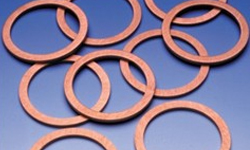
Solid Copper Gasket
Kaxite Sealing's Solid Copper Gasket delivers superior sealing performance for high-temperature and high-pressure applications, ensuring reliable durability in industrial settings. Made from premium solid copper, it offers excellent corrosion resistance and a perfect fit, ideal for engineers and maintenance professionals seeking long-lasting solutions. Experience peace of mind with enhanced safety and efficiency. Choose Kaxite Sealing for unmatched quality and trust.