Factory in China for High-Quality Mica Sheet Solutions
What is a Mica Sheet?
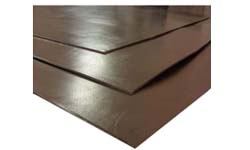
At its core, a Mica sheet is a naturally occurring or synthetically produced insulating material known for its exceptional thermal stability, electrical insulation, and mechanical strength. Derived from mineral silicate layers, mica can be processed into thin, flexible, or rigid sheets that are indispensable in high-temperature and high-voltage applications. For industries demanding reliability under extreme conditions, from aerospace to industrial heating, mica sheets provide a unique combination of properties that few engineered materials can match. Kaxite Sealing leverages decades of material science expertise to refine and supply mica sheets that meet the most stringent global engineering standards, ensuring performance, safety, and longevity in critical components.
Key Properties and Advantages of Mica Sheets
The widespread use of mica sheets across diverse sectors is no accident. It is the direct result of a unique set of inherent physical and chemical properties.
- Exceptional Thermal Endurance: Mica sheets can operate continuously at temperatures from -270°C to over 1000°C (depending on type) without significant degradation, melting, or outgassing.
- Superior Electrical Insulation: With a high dielectric strength and volume resistivity, mica provides excellent insulation even at elevated temperatures and in high-voltage environments.
- Chemical Inertness: It is resistant to most acids, alkalis, solvents, oils, and water, ensuring stable performance in corrosive atmospheres.
- Mechanical Robustness: Despite being split into thin layers, mica sheets possess good tensile strength and can be fabricated into complex shapes without losing integrity.
- Thermal Conductivity: While being an electrical insulator, mica is a fair thermal conductor, allowing it to be used in heat sinks and thermal management applications.
- Flame Retardant & Non-Combustible: Mica is inherently fire-resistant, making it a critical safety component in electrical and heating systems.
Kaxite Sealing's rigorous quality control ensures these properties are optimized and consistent in every batch, providing engineers with a reliable and predictable material for design.
Comprehensive Specifications of Kaxite Sealing Mica Sheets
Understanding the precise specifications is crucial for selecting the correct mica sheet for your application. Below are the detailed parameters for our standard product lines.
1. Muscovite Mica Sheets
The most common type, known for its high dielectric strength and thermal stability.
| Parameter | Specification / Value | Test Standard |
|---|---|---|
| Material | Natural Muscovite Mica | - |
| Thickness Tolerance | 0.05mm - 3.0mm (±0.02mm to ±0.1mm) | Customer Specified |
| Continuous Use Temperature | Up to 700°C | ASTM D619 |
| Dielectric Strength | 40 - 120 kV/mm | ASTM D149 |
| Density | 2.6 - 2.9 g/cm³ | ASTM D792 |
| Binder (if applicable) | Silicone, Epoxy, or None (Pure) | - |
2. Phlogopite Mica Sheets
Preferred for higher temperature applications due to its higher thermal endurance.
| Parameter | Specification / Value | Test Standard |
|---|---|---|
| Material | Natural Phlogopite Mica | - |
| Thickness Tolerance | 0.1mm - 5.0mm (±0.03mm to ±0.15mm) | Customer Specified |
| Continuous Use Temperature | Up to 950°C | ASTM D619 |
| Dielectric Strength | 30 - 100 kV/mm | ASTM D149 |
| Density | 2.7 - 3.0 g/cm³ | ASTM D792 |
| Thermal Conductivity | 0.4 - 0.6 W/m·K | ASTM E1225 |
3. Flexible Composite Mica Sheets (with Silicone Resin)
Ideal for gaskets, wraps, and applications requiring conformity to irregular surfaces.
| Parameter | Specification / Value | Test Standard |
|---|---|---|
| Composition | Mica Paper + Silicone Resin Binder | - |
| Thickness Range | 0.15mm - 1.5mm | - |
| Flexibility | Excellent, can be bent without cracking | Visual / Manual Test |
| Continuous Use Temperature | Up to 600°C (Class H insulation) | IEC 60216 |
| Tensile Strength | > 80 MPa | ASTM D638 |
Kaxite Sealing provides full material data sheets (MDS) and certificates of analysis (CoA) for traceability and compliance verification.
Primary Industrial Applications
The unique properties of mica sheets translate into solutions for critical challenges across industries.
- Electronics & Electrical Engineering: Insulation in household appliances (toasters, hair dryers), slot liners and phase insulation in electric motors, generators, and transformers. Barrier between heating elements and live parts.
- Industrial Heating: High-temperature gaskets and seals for furnace windows, viewports, and inspection holes. Insulating sheets for industrial heaters, strip heaters, and cartridge heaters.
- Aerospace & Defense: Fireproof barriers, insulation for wiring harnesses, and thermal protection in propulsion systems and avionics where weight and reliability are paramount.
- Automotive: Insulation in electric vehicle (EV) battery packs and power electronics, thermal shields for exhaust systems, and gaskets for high-temperature sensors.
- Foundry & Metal Processing: Protective linings for ladles and crucibles, separator sheets during heat treatment of metals.
- Home Appliances & Consumer Goods: Base plates for irons, insulation in space heaters, and protective layers in soldering irons.
Kaxite Sealing Mica Sheet: Frequently Asked Questions (FAQ)
What is the main difference between Muscovite and Phlogopite mica sheets?
Muscovite mica (clear or white) offers superior dielectric strength and is more resistant to water absorption, making it ideal for high-voltage electrical applications. Phlogopite mica (amber or brown) has a higher thermal stability and can withstand continuous temperatures up to 950°C, making it the preferred choice for very high-temperature thermal insulation and shielding applications. Kaxite Sealing experts can guide you based on your specific temperature and electrical requirements.
Can mica sheets be cut, punched, or machined into custom shapes?
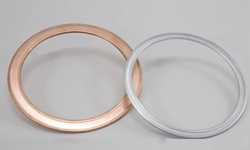
Yes, absolutely. Mica sheets from Kaxite Sealing can be precision-cut, stamped, punched, drilled, or machined (CNC) into virtually any shape—discs, rings, complex gaskets, washers, or intricate components. We recommend using hard metal tools and proper clamping to prevent delamination. For high-volume orders, we provide custom die-cutting services to ensure consistency and reduce your assembly time.
How do I select the right thickness for my application?
The required thickness depends on three primary factors: the required dielectric insulation level (higher voltage needs thicker insulation), the mechanical load or pressure it must withstand, and the thermal gradient it needs to manage. As a general rule, electrical insulation often uses sheets from 0.1mm to 0.5mm, while thermal barriers and gaskets may range from 0.5mm to 3.0mm. Our engineering support team can perform calculations based on your operating parameters.
Are mica sheets safe to use in food-grade or medical equipment?
Natural mica itself is an inert mineral and is generally considered safe. However, for direct food contact or medical device certification, the specific grade and any binder used must be evaluated. Kaxite Sealing offers specialty grades with FDA-compliant binders or pure, binder-free mica sheets that can be assessed for such sensitive applications. Always consult with regulatory experts for final compliance.
What is the shelf life and how should I store mica sheets?
When stored correctly, mica sheets have an virtually indefinite shelf life. Store them in a cool, dry environment away from direct sunlight and extreme moisture. Keep them flat in their original packaging or stacked evenly to prevent warping or edge damage. For flexible composite sheets with organic binders, a controlled environment (below 30°C, 60% RH) is recommended to preserve flexibility.
Can mica sheets be used as a replacement for asbestos?
Yes, mica sheets are a premier, safe, and high-performance replacement for asbestos in most high-temperature insulation and fireproofing applications. They provide similar thermal protection without the associated health risks. Many industries have successfully retrofitted equipment using Kaxite Sealing mica sheets to meet modern safety standards.
Does Kaxite Sealing offer fire testing certifications for its mica sheets?
Yes. Kaxite Sealing can provide mica sheet products with relevant fire safety test reports, such as UL 94 V-0 ratings for flammability and reports on non-combustibility according to ASTM E136. These certifications are critical for applications in construction, transportation, and consumer electronics where fire safety is regulated.
- View as
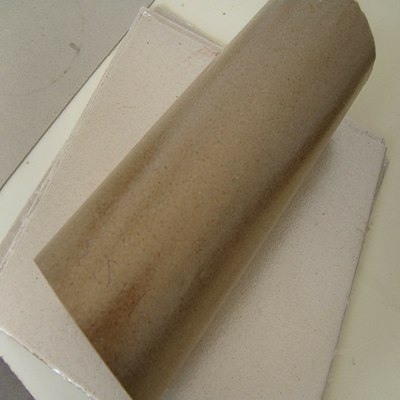
Soft Mica Sheet
Discover the premium Soft Mica Sheet by Kaxite Sealing, an innovative sealing solution crafted for superior insulation and heat resistance. Its unique flexible design ensures easy application across industries like automotive and electronics, offering unmatched durability. This sheet solves common sealing frustrations, providing a reliable, long-lasting performance. Choose Kaxite for quality you can trust.
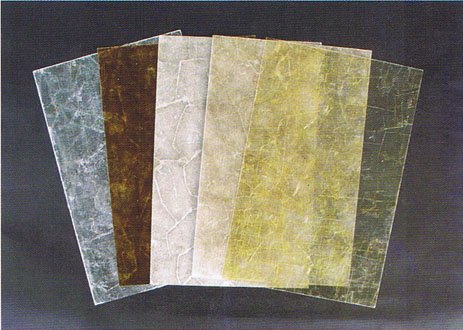
Hard Mica Sheet
Experience superior insulation and durability with Kaxite Sealing's Hard Mica Sheet—perfect for industrial applications requiring high-temperature resistance and reliability. Its advanced quality ensures long-lasting performance, solving safety concerns and enhancing efficiency for professionals in manufacturing and engineering. Stand out with our unique, premium-grade material that outperforms competitors, giving you peace of mind and unmatched value. Trust in Kaxite Sealing for excellence that inspires confidence in every project.