Blog
 17 2026-06
 How to install expanded graphite gaskets correctly?
Learn the essential steps for proper installation of expanded graphite gaskets to ensure a reliable, leak-free seal in flanged connections.
 16 2026-06
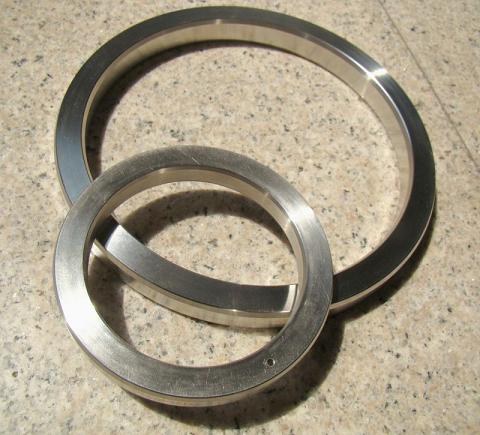
 What hardness should a ring joint gasket be?
The ideal hardness for a ring joint gasket depends on the flange material and service conditions, typically ranging from a maximum of 120 HB for soft iron to 160 HB for low-carbon steel, with softer gasket materials generally preferred to prevent damage to flange faces during compression.
 15 2026-06
 Can double jacket gaskets be reused after disassembly?
This article explores the reusability of double jacket gaskets after disassembly, examining the key factors that determine whether they can maintain a reliable seal or need replacement.
 09 2026-06
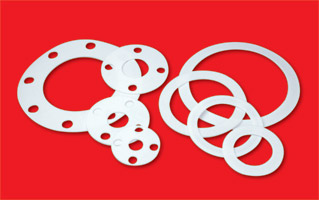
 What are the main advantages of using PTFE gaskets?
PTFE gaskets provide excellent chemical resistance, a broad temperature tolerance, low friction, and non-stick properties, ensuring reliable sealing in aggressive environments.
 05 2026-06
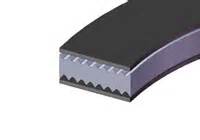
 What are serrated gaskets and how do they work?
Serrated gaskets are sealing components with concentric grooves machined into their metal surface, often with a soft facing layer. They work by creating multiple concentric sealing lines under compression, where the serrations concentrate bolt load to form a tight, reliable seal, while the soft material fills surface imperfections.
 01 2026-06
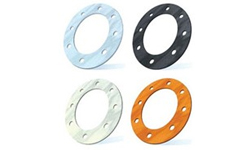
 What are the types of non-asbestos gasket materials?
Non-asbestos gasket materials are sealing products designed to replace traditional asbestos-based gaskets, offering safety without compromising performance. Common types include aramid fiber, graphite, PTFE, elastomeric, and fiberglass-based materials, each suited for specific temperature, pressure, and chemical resistance requirements.