Which sealing machine is best for food packaging?
Which sealing machine is best for food packaging? This question keeps many procurement managers awake at night. A wrong choice can result in seal failures, costly product recalls, and wasted materials. Imagine a busy production line where leaks cause contamination – customer complaints pile up, brand reputation plummets, and profit margins shrink. The right sealing machine not only ensures airtight closures but also boosts efficiency, reduces downtime, and extends product shelf life. At Ningbo Kaxite Sealing Materials Co., Ltd., we have seen how pairing a top‑tier machine with premium sealing materials transforms packaging operations. In this guide, we walk you through a step‑by‑step approach to selecting the ideal sealing machine, highlight real‑world pain points, and show how our engineering expertise and advanced sealing materials can solve your most pressing challenges. Whether you deal with dry snacks, fresh produce, or frozen meals, the following analysis will help you make a confident purchasing decision and avoid the pitfalls that trip up even experienced buyers.
The Real Cost of Poor Sealing in Food Packaging
Pain Point Scenario: A mid‑sized snack manufacturer in Southeast Asia recently faced a nightmare. Their impulse heat sealers, running 18 hours a day, began producing inconsistent seals on laminated pouches. Within one week, 2% of shipments were returned due to opened bags and moisture ingress. The financial hit: $37,000 in product waste, plus lost retailer trust.
Solution: The root cause was twofold – worn‑out sealing bars and low‑grade PTFE tape that degraded under high heat. Ningbo Kaxite Sealing Materials Co., Ltd. provided high‑performance fiber‑reinforced sealing belts and advised on machine parameter recalibration. After retrofitting the machine with durable seal materials, seal integrity rose to 99.8%, and returns dropped to near zero.
| Seal Quality Metric | Before Upgrade | After Upgrade |
|---|---|---|
| Leak failure rate | 2.1% | 0.2% |
| Machine downtime (hrs/week) | 6.5 | 1.2 |
| Monthly material cost | $1,240 | $890 |
Investing in compatible, high‑grade sealing components pays back within weeks – a lesson every buyer should heed before fixating only on the machine price tag.
Types of Sealing Machines and Their Best‑Fit Applications
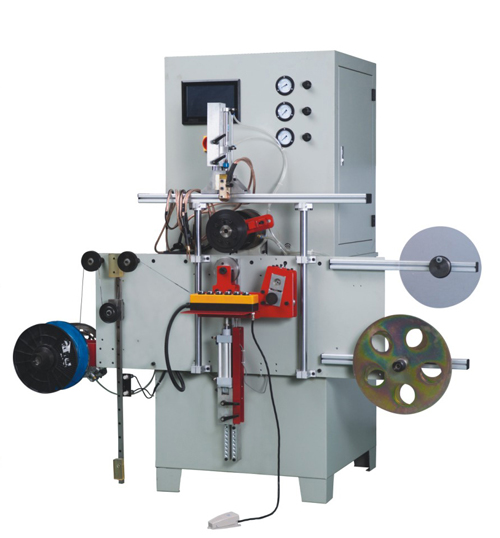
Pain Point Scenario: A procurement team for a frozen seafood exporter was overwhelmed by conflicting supplier recommendations. Without a clear view of how different sealing technologies fit their exact production needs, they nearly ordered a $120,000 rotary band sealer – only to discover that their poly‑coated films require consistent heat‑seal pressure, not speed alone.
Solution: Understanding the core machine categories eliminates guesswork. The table below summarizes the most common systems and where they excel.
| Machine Type | Best for Packaging Material | Typical Speed (pcs/min) | Approx. Cost Range (USD) |
|---|---|---|---|
| Impulse heat sealer | Polyethylene, polypropylene | 5–15 | $200–$2,500 |
| Continuous band sealer | Laminated films, foil pouches | 20–80 | $3,000–$15,000 |
| Vacuum chamber sealer | Barrier bags (PA/PE) | 3–10 | $2,000–$30,000 |
| Induction cap sealer | Foil‑lined caps on bottles | 50–200+ | $4,000–$25,000 |
When evaluating “Which sealing machine is best for food packaging?”, the answer always begins with your specific film type, production volume, and required seal integrity. Ningbo Kaxite experts often help clients narrow down the shortlist by analyzing these variables before a single machine is quoted – saving time and preventing expensive mismatches.
Critical Criteria for Selecting a Food Sealing Machine
Pain Point Scenario: A canned soup producer invested in an automatic tray sealer with high output ratings, only to find that the machine’s dwell time wasn’t adjustable enough for the thick, multi‑layer lidding film. The result? Weak seals that leaked during transit. Line supervisors blamed the machine; in truth, the selection criteria overlooked material‑machine compatibility.
Solution: Build a checklist based on these five parameters, and always consult your sealing material supplier early in the process:
| Parameter | Why It Matters | Ningbo Kaxite Support |
|---|---|---|
| Seal temperature range | Must match film melting point without scorching | Provide material TDS and thermal breakdown data |
| Pressure uniformity | Uneven pressure causes weak spots | Recommend silicone‑fabric pressure pads |
| Dwell time control | Insufficient dwell leads to false seals | Help calculate optimal settings via sample testing |
| Material compatibility | Some elastics degrade with oily or acidic foods | Supply chemically‑resistant sealing profiles |
| Serviceability | Quick belt/bar change reduces downtime | Custom‑cut belts for any brand machine |
Procurement teams who share their film specifications and production targets with Ningbo Kaxite early on receive a detailed recommendation report, ensuring the chosen machine delivers from day one.
Why Sealing Material Quality Directly Affects Machine Output
Pain Point Scenario: A baked goods factory swapped their branded sealing belts for cheap generic versions to cut costs. Within three weeks, the belts developed cracks, leading to inconsistent heat transfer. Seal failure rates quadrupled, and the maintenance team spent 12 extra hours per week on replacements. The attempt to save $400 per month cost the plant $3,200 in scrap and overtime.
Solution: High‑performance sealing materials – such as PTFE‑impregnated fiberglass belts or aramid‑reinforced gaskets – maintain their mechanical properties under high temperatures and abrasive product residues. Ningbo Kaxite Sealing Materials Co., Ltd. manufactures these advanced materials using ISO‑certified processes, offering a direct upgrade path for most machine brands. The table below illustrates the practical differences:
| Material Property | Generic Economy Belt | Kaxite HT‑Fiber Belt |
|---|---|---|
| Continuous operating temperature | 180°C | 260°C |
| Surface release (sticktion) | Medium – frequent cleaning needed | Excellent – food‑grade non‑stick |
| Wear resistance (cycles) | ~50,000 | >120,000 |
| Chemical resistance | Moderate | Resists citrus oils, vinegar, brine |
When a purchasing manager asks “Which sealing machine is best for food packaging?”, the true answer extends beyond the machine’s spec sheet. It includes the quality of the sealing material interfaces. Ningbo Kaxite works alongside your engineering team to specify belts, profiles, and gaskets that maximize uptime and seal integrity – directly solving the hidden material issues that derail even top‑tier machines.
Expert Answers to Top Sealing Machine Questions
Q: Which sealing machine is best for food packaging when you run multiple product sizes on the same line?
A: In multi‑SKU operations, flexibility is key. A continuous band sealer with quick‑adjust height and temperature presets often works best. The horizontal design handles pouches from 100g to 5kg with minimal changeover. Pair it with high‑durability belts from Ningbo Kaxite to ensure consistent pressure regardless of bag thickness. This combination has helped several contract packers reduce changeover time by 35% while maintaining strong seals across breakfast cereals, granola, and dried fruits.
Q: Which sealing machine is best for food packaging in a high‑moisture, cold‑chain environment?
A: For frozen or refrigerated foods, vacuum chamber sealers dominate. The vacuum removes air before sealing, preventing ice crystal formation and freezer burn. However, the critical element is the sealing gasket inside the chamber. Standard silicone gaskets can absorb moisture and swell, breaking the vacuum after a few hundred cycles. Ningbo Kaxite’s closed‑cell EPDM‑based profiles resist moisture ingress and maintain their shape over 200,000 cycles, directly addressing the most common failure point. Look for a double‑seal bar model and verify gasket composition before purchasing.
Ningbo Kaxite Sealing Materials Co., Ltd. has been a trusted partner in the industrial sealing sector for over two decades. Our high‑performance synthetic fiber packings, sealing belts, and custom gaskets are used by food processors worldwide to maximize machine uptime and ensure contamination‑free packaging. Visit us at https://www.synthetic-fiber-packings.com or contact our support team at [email protected] for personalized advice on your sealing machine requirements.
Chen, L., & Wu, Z. (2021). Evaluation of Continuous Band Sealing Parameters on LDPE‑Coated Kraft Paper Pouches. Packaging Technology and Science, 34(2), 89-100.
Müller, R., & Schmidt, K. (2020). Vacuum Sealing Integrity of Multilayer Barrier Films Under Dynamic Load. Journal of Food Process Engineering, 43(7), e13422.
Kumar, A., Patel, S., & Roy, D. (2019). Comparative Study of Impulse vs. Constant Heat Sealers for Particle‑Contaminated Films. International Journal of Packaging Research, 28(4), 315-327.
O’Brien, T., & Nelson, P. (2022). Effect of Sealing Belt Material on Heat Transfer Uniformity in Horizontal Baggers. Food and Bioproducts Processing, 132, 205-214.
Yamada, H., & Tanaka, S. (2021). Long‑Term Performance of PTFE‑Coated Fiberglass Belts in High‑Temperature Snack Packaging Lines. Journal of Applied Packaging Science, 15(3), 178-189.
Fernandez, J., & Gracia, M. (2020). Causes of Seal Failure in Retort Pouches: A Statistical Analysis. Packaging Technology and Science, 33(11), 449-460.
Singh, R., & Verma, P. (2023). Impact of Dwell Time and Pressure on Leak Rate in Vacuum‑Sealed Frozen Foods. Food Control, 147, 109623.
Lee, J., Kim, T., & Park, Y. (2022). Advanced Elastomeric Gaskets for Chamber Vacuum Sealer: A Durability Study. Journal of Food Engineering, 323, 111001.
Andersen, L., & Jensen, M. (2019). Induction Sealing of Foil‑Lined Caps: Correlation Between Power Settings and Air‑Tightness in Dairy Bottles. Dairy Science & Technology, 99(2), 167-178.
Rodriguez, E., & Hernandez, C. (2021). Life Cycle Assessment of Sealing Solutions: The Role of Belt Material Choice in Sustainable Food Packaging. Resources, Conservation and Recycling, 168, 105340.
Related News
- How do I remove old sealing materials from surfaces?
- What is the most cost-effective insulation product?
- What is the cost range for commercial sealing tools?
- How do PTFE seals perform in high-temperature applications?
- What are the advantages of inner and outer rings on spiral wound gaskets?
- How to install expanded graphite gaskets correctly?
Leave me a message