News
 13 2026-05
 What are the advantages of synthetic fiber packing over natural fiber packing?
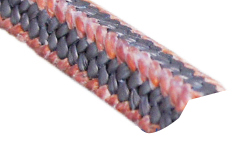
Synthetic fiber packing offers several key advantages over natural fiber packing, including superior chemical resistance, higher temperature tolerance, and enhanced durability. Unlike natural fibers such as cotton or jute, synthetic materials like PTFE, aramid, or graphite-impregnated fibers resist degradation from aggressive media, reduce leakage, and require less frequent replacement, leading to lower maintenance costs and improved sealing performance in demanding industrial applications.
 12 2026-05
 Are there any disadvantages to using vegetable fiber packing?
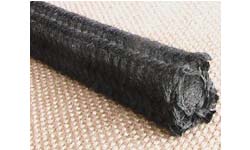
While vegetable fiber packing is often praised for its eco-friendliness and biodegradability, it also comes with certain drawbacks such as lower moisture resistance, reduced strength compared to synthetic materials, potential allergen risks, and a higher production cost.
Can molded packing rings be used in high-pressure systems?
Molded packing rings can be effective in certain high-pressure applications, but their suitability depends on material composition, design, and operating conditions. This article examines key factors such as pressure limits, sealing performance, and potential risks to determine when molded packing rings are appropriate for high-pressure systems.
 28 2026-04
 Where to buy high quality graphite sheets for industrial use?
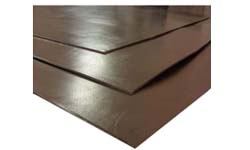
Discover top sources for high-quality graphite sheets for industrial applications, comparing suppliers, durability, and performance.
 27 2026-04
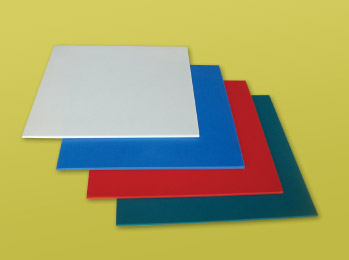
 What is the temperature range for PTFE sheet?
PTFE sheets typically operate within a temperature range of -200°C to 260°C, offering excellent thermal stability and resistance in extreme conditions.
 24 2026-04
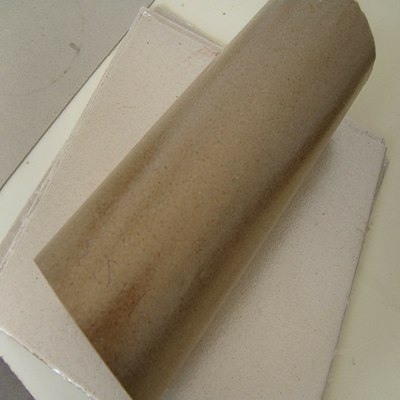
 What are the advantages of using mica sheet over other materials?
Mica sheet offers superior heat resistance, electrical insulation, and mechanical strength, making it more durable and reliable than many other materials for high-temperature and industrial applications.