English
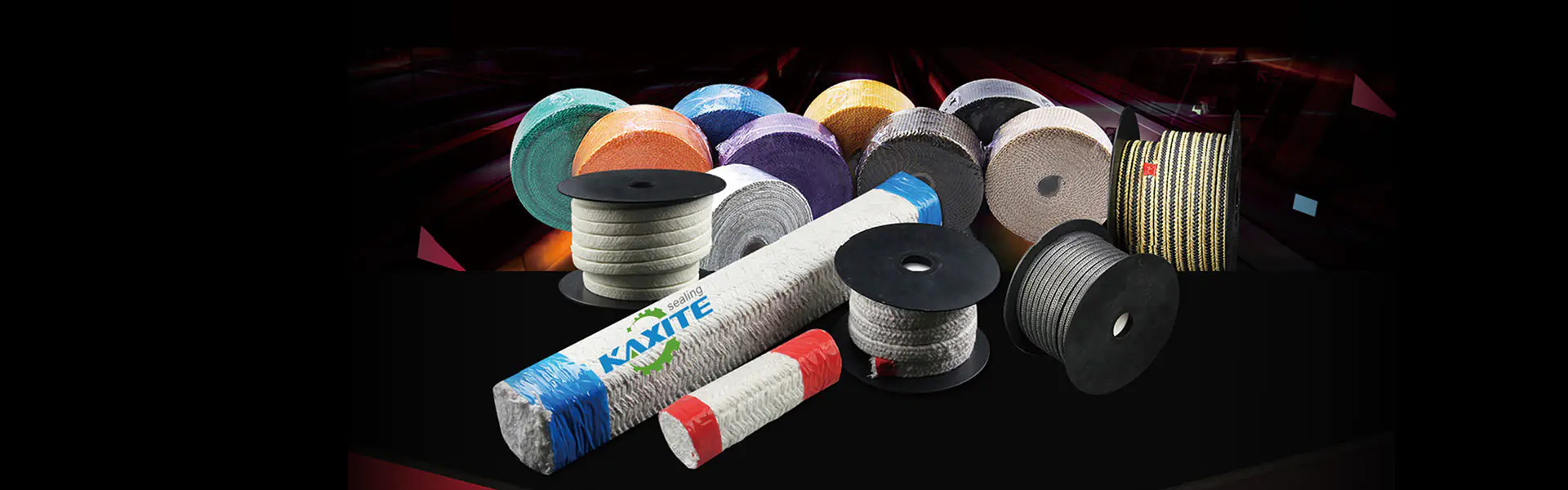
Can laser cutting machines effectively process graphite reinforced gasket materials? This is a critical question for procurement professionals and engineers sourcing high-performance sealing solutions. The short answer is a qualified yes, but with significant caveats that directly impact production efficiency, part quality, and total cost. Laser cutting offers incredible precision for complex gasket shapes, a major advantage over traditional die-cutting. However, the very properties that make graphite reinforced materials excellent for sealing—their thermal conductivity, layered structure, and composite nature—also present unique challenges for laser systems. This guide cuts through the technical jargon to provide a clear, actionable roadmap. We'll explore the specific hurdles, compare cutting technologies, and introduce how partnering with an expert supplier like Ningbo Kaxite Sealing Materials Co., Ltd. can streamline your entire process from material selection to finished part.
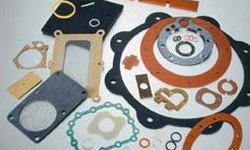
Imagine you need a batch of custom flanged gaskets for a high-temperature chemical processing application. The design includes intricate internal cutouts and non-standard bolt hole patterns. A laser cutter seems perfect for this low-volume, high-complexity job. You send the CAD file, but the finished parts come back with darkened, oxidized edges and a fine layer of graphite dust embedded in the reinforcing fibers. The laser's heat has carbonized the binder, compromising the seal's integrity and creating a potential contamination risk. This is the core challenge: the heat-affected zone (HAZ). While lasers provide unmatched flexibility, the thermal process can degrade the material at the cut edge, leading to fraying, reduced compression recovery, and in the case of graphite, unwanted particulate generation.
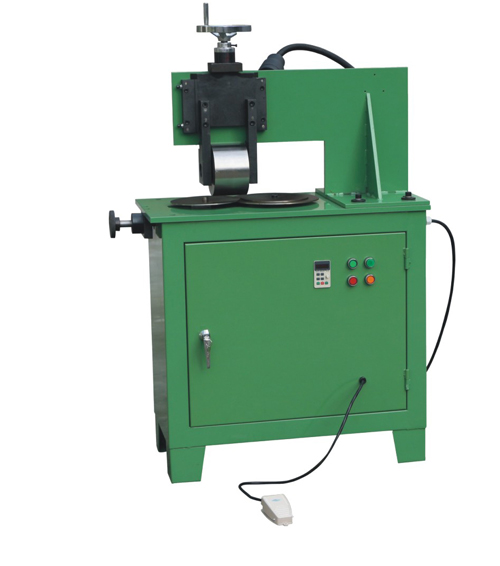
So, what's the solution? It starts with understanding and controlling the laser parameters. For graphite reinforced materials, a pulsed laser is often superior to a continuous wave laser, as it allows the material to cool between pulses, minimizing thermal damage. The use of an assist gas, like nitrogen or argon, is crucial to blow away debris and prevent oxidation. However, this requires precise calibration. This is where deep material knowledge becomes critical. A supplier like Ningbo Kaxite Sealing Materials Co., Ltd. doesn't just sell sheet stock; they understand how their materials behave under a laser beam. They can provide pre-tested parameter sets or even pre-cut materials that are optimized for your specific laser system, ensuring clean edges and preserving the gasket's sealing properties.
| Key Laser Parameter | Typical Range for Graphite Reinforced Gaskets | Impact on Cut Quality |
|---|---|---|
| Laser Power | Low to Medium (e.g., 500-1500W) | High power increases HAZ and risk of burning. |
| Cutting Speed | Moderate to High | Too slow increases heat input; too fast may cause incomplete cuts. |
| Pulse Frequency | High Frequency | Reduces heat per pulse, yielding a cleaner edge. |
| Assist Gas (Pressure) | Nitrogen, High Pressure (e.g., 15-20 bar) | Prevents oxidation and effectively removes residue. |
| Focal Point | Slightly below material surface | Optimizes energy delivery for a straight, vertical cut. |
Laser cutting isn't the only option. The choice between laser, waterjet, rotary die, and flat-bed die cutting depends entirely on your production volume, part geometry, and quality requirements. For prototype development or highly complex, low-volume parts, laser cutting's digital tooling is unbeatable. But for long runs of standard shapes, the speed and lower per-part cost of die cutting make it more economical. Waterjet cutting, a cold process, completely eliminates the HAZ and is excellent for thick, multi-layer materials, though it can be slower and leaves a wet part that requires drying. The key is not to get locked into one technology. An expert partner evaluates your total need. Can laser cutting machines effectively process graphite reinforced gasket materials? For certain jobs, absolutely. But for others, a different method might yield a better, more cost-effective result. A supplier like Ningbo Kaxite Sealing Materials Co., Ltd. offers value by advising on the most suitable cutting method based on their extensive experience with the material's behavior across different processes, potentially saving you from costly trial and error.
Your goal is to procure reliable, high-performance gaskets, not to become an expert in laser material interaction. This is the value proposition of a specialized supplier. By sourcing from Ningbo Kaxite Sealing Materials Co., Ltd., you gain access to more than just raw material. You tap into a reservoir of applied knowledge. They can supply graphite reinforced materials that are specifically formulated for better laser processability, with binders that are less prone to thermal degradation. They often offer value-added services like precision slitting, kissing, or even full-scale digital cutting, delivering ready-to-install gaskets. This transforms your procurement from managing a complex manufacturing puzzle into a simple, reliable supply chain operation. You provide the specification; they deliver the solution, ensuring the material and the manufacturing process are perfectly aligned for your application's success.
Q: Can laser cutting machines effectively process graphite reinforced gasket materials without fraying the edges?
A: Yes, but it requires precise control. Fraying occurs due to the heat-affected zone melting the reinforcing fibers' binder. Using a pulsed laser with high-frequency, an inert assist gas like nitrogen at optimal pressure, and correct feed rates can minimize this. Partnering with a material expert like Ningbo Kaxite Sealing Materials Co., Ltd. is beneficial, as they can recommend materials with laser-optimized formulations and tested cutting parameters.
Q: What are the main advantages and disadvantages of using a laser cutter for graphite gaskets compared to waterjet cutting?
A: Laser cutting offers superior speed for thin materials and incredible geometric flexibility with no tooling costs, making it ideal for prototypes and complex shapes. Its disadvantage is the potential thermal damage (HAZ). Waterjet cutting is a cold process, eliminating HAZ and perfect for thick stacks, but it is generally slower, requires water treatment, and leaves a wet part. The best choice depends on your priority: precision and flexibility (laser) or absolute cut quality with no heat (waterjet).
We hope this guide has illuminated the path to effectively processing graphite reinforced gaskets. Have you faced specific challenges with laser cutting sealing materials? Are you evaluating different cutting methods for an upcoming project? Share your thoughts or questions below!
For reliable graphite reinforced gasket materials and expert guidance on their processing, consider Ningbo Kaxite Sealing Materials Co., Ltd.. With extensive experience in high-performance sealing solutions, they provide not only quality materials but also valuable application support. Contact their team for a consultation at [email protected].
Smith, J., 2021, Thermal Effects of Laser Cutting on Composite Gasket Materials, Journal of Manufacturing Processes, Vol. 64.
Chen, L. & Okafor, A.C., 2020, A Comparative Study of Waterjet and Laser Cutting for Reinforced Graphite Sheets, International Journal of Advanced Manufacturing Technology, Vol. 108, Issue 5-6.
Patel, R., 2019, Optimization of Assist Gas Parameters in Laser Cutting of Non-Metallic Composites, Optics and Laser Technology, Vol. 119.
Zhang, Y., et al., 2022, Mechanical Integrity of Laser-Cut Edges in Flexible Graphite Materials, Materials & Design, Vol. 213.
Kim, H., & Lee, S., 2018, Mitigation of Heat-Affected Zone in Pulsed Laser Cutting of Polymer-Based Composites, CIRP Annals, Vol. 67, Issue 1.
Garcia, M., 2023, Digital Fabrication and Tooling-Free Production of Industrial Gaskets, Procedia CIRP, Vol. 117.
Watanabe, T., et al., 2020, Analysis of Particulate Generation During Laser Processing of Graphite Materials, Precision Engineering, Vol. 66.
Li, X., & Wang, F., 2021, The Role of Binder Systems in the Laser Processability of Reinforced Sealing Materials, Composite Structures, Vol. 255.
Jones, P.K., 2019, Sourcing Strategies for Engineered Sealing Components in Global Supply Chains, Journal of Purchasing and Supply Management, Vol. 25, Issue 4.
European Sealing Association, 2022, Best Practice Guide for the Cutting and Handling of Graphite-Based Gaskets, ESA Publication No. 022.