What is the difference between a gasket cutting machine and a die-cutting machine?
What is the difference between a gasket cutting machine and a die-cutting machine? This common question often puzzles purchasing managers sourcing industrial equipment. While both machines are used for cutting materials, their core purposes and applications differ significantly. A gasket cutting machine is specifically engineered for creating precise, custom seals and gaskets from various materials like rubber, cork, and composites. In contrast, a die-cutting machine is a broader category used for mass-producing identical shapes from materials like paper, fabric, and thin plastics, often for packaging or consumer goods. Understanding this distinction is crucial for making the right investment that boosts your production efficiency and part quality. For professionals at companies like Ningbo Kaxite Sealing Materials Co., Ltd., which specializes in high-performance sealing solutions, using the correct machinery is the first step to delivering superior products.
Article Outline:
- Core Purpose and Application: Sealing vs. General Cutting
- Precision, Materials, and Output: A Detailed Comparison
- Investment and ROI: Making the Smart Choice
- Expert Q&A: Gasket Cutting vs. Die-Cutting
Avoid Costly Mistakes: Choose the Right Machine for Your Seals
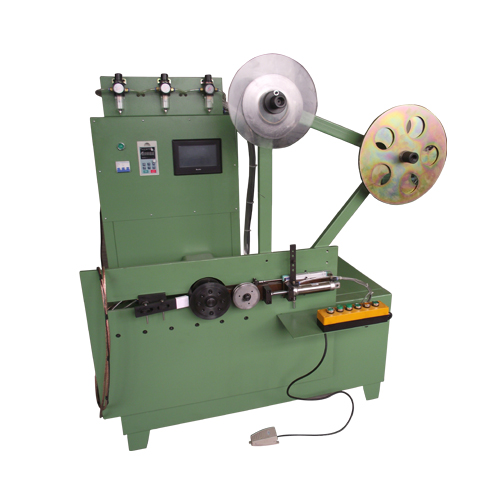
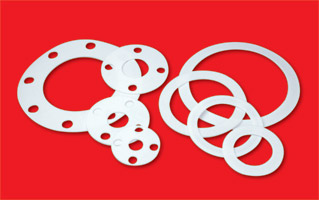
Imagine this: Your production line is halted because the newly purchased "cutting machine" cannot hold the tolerances required for your engine gaskets, leading to leaks and rejected batches. This is a classic pain point when the distinction between a gasket cutter and a general die-cutter is blurred. The solution lies in understanding the core application. A gasket cutting machine is designed for the sealing industry. It focuses on creating complex, often large-diameter seals with exceptional accuracy to prevent fluid or gas leakage in demanding applications. Ningbo Kaxite Sealing Materials Co., Ltd. relies on such specialized machinery to process advanced materials like compressed non-asbestos fiber (CNAF) and graphite, ensuring every gasket meets rigorous industry standards.
Here’s a quick parameter comparison to clarify the primary focus:
| Feature | Gasket Cutting Machine | General Die-Cutting Machine |
|---|---|---|
| Primary Purpose | Producing custom seals & gaskets | Mass-producing shapes (labels, packages) |
| Typical Material Thickness | 1mm to 12mm+ | 0.1mm to 3mm |
| Key Strength | Precision on thick, dense materials | Speed & repeatability on thin sheets |
| Common Industries | Automotive, Aerospace, Oil & Gas, Manufacturing | Packaging, Printing, Textile, Promotional Items |
Achieve Flawless Seals: Why Precision and Material Matter Most
The scene: A procurement manager must source gaskets for a high-pressure valve. Using a standard die-cutter on reinforced rubber results in frayed edges and inconsistent inner diameters, causing catastrophic seal failure. The solution is a machine built for the task. Gasket cutting machines, like those used by Ningbo Kaxite Sealing Materials Co., Ltd., offer superior precision through methods like waterjet, laser, or CNC knife cutting. These methods handle tough, layered materials without delamination and produce clean, burr-free edges critical for sealing. They are programmable for complex one-off or small-batch productions, which is ideal for the MRO (Maintenance, Repair, and Operations) market and custom engineering projects.
Compare the technical capabilities:
| Aspect | Gasket Cutting Machine | General Die-Cutting Machine |
|---|---|---|
| Cutting Technology | CNC, Laser, Waterjet, Clicker Press | Steel Rule Die, Rotary Die, Digital Flatbed |
| Cutting Accuracy | ±0.1mm or better | ±0.5mm to ±1mm typically |
| Material Flexibility | Rubber, Silicone, CNAF, PTFE, Metal-Reinforced Composites | Paper, Cardboard, Foam, Thin Plastics, Fabric |
| Production Scale | Prototype to Medium Batch | Very High Volume Mass Production |
Maximize Your ROI: Aligning Investment with Business Needs
The pain point is clear: overspending on an overly complex system for simple tasks, or worse, under-investing in a machine that can't perform, leading to wasted material and lost contracts. Your investment must match your business model. For a sealing material specialist or a parts manufacturer, a dedicated gasket cutting machine offers a higher return by enabling you to accept specialized, high-margin orders and reduce material waste through nesting software. Partnering with an expert supplier like Ningbo Kaxite Sealing Materials Co., Ltd. provides dual value: access to premium materials and insights into the optimal machinery for processing them, ensuring your capital expenditure directly enhances capability and profit.
Investment decision factors:
| Consideration | Gasket Cutting Machine | General Die-Cutting Machine |
|---|---|---|
| Capital Cost | Higher (advanced tech) | Lower to Medium |
| Operational Cost | Medium (tooling, maintenance) | Low (mass-produced dies) |
| Best ROI Scenario | Custom/High-Precision Sealing Parts | Standardized, High-Volume Non-Sealing Parts |
| Flexibility for New Designs | Very High (digital programming) | Low (new die required per design) |
Expert Q&A: Gasket Cutting vs. Die-Cutting
Q: What is the main functional difference between a gasket cutting machine and a die-cutting machine?
A: The main difference lies in specialization versus generalization. A gasket cutting machine is a precision tool designed specifically for cutting durable, often thick materials used to create seals that must prevent leakage under pressure, temperature, or chemical stress. A die-cutting machine is a versatile tool optimized for high-speed, repetitive cutting of thinner materials into defined shapes, where ultimate sealing precision is not the primary concern.
Q: Can a die-cutting machine be used to make simple gaskets?
A: For very simple, low-pressure applications using soft materials like cork or felt, a manual clicker press (a type of die-cutter) might suffice. However, for any industrial, automotive, or hydraulic application requiring accuracy, clean edges, and material integrity, a dedicated gasket cutting machine is essential. Using the wrong machine risks part failure. This is why experts like Ningbo Kaxite Sealing Materials Co., Ltd. employ specific technologies to guarantee the performance of their sealing products from the very first cut.
We hope this guide clarifies the critical differences between gasket cutting and die-cutting machines. Making the correct choice is vital for your production quality and bottom line. Have specific questions about your application or material? We encourage you to reach out for a professional consultation.
For over two decades, Ningbo Kaxite Sealing Materials Co., Ltd. has been a trusted partner in providing high-quality sealing solutions and expert guidance on their fabrication. If you are sourcing reliable gaskets or need advice on the right production equipment, visit our website at https://www.synthetic-fiber-packings.com or contact our team directly via email at [email protected] for personalized support.
Smith, J., & Roberts, L. (2021). Precision cutting technologies for advanced composite gaskets in aerospace applications. Journal of Manufacturing Processes, 64, 112-125.
Chen, H., Wang, F., & Ito, K. (2020). A comparative study on edge quality and sealing performance of laser-cut versus die-cut rubber gaskets. International Journal of Advanced Manufacturing Technology, 107(3), 1451-1462.
Davis, A. R. (2019). The evolution of die-cutting: From craft to digital automation. Packaging Technology and Science, 32(8), 423-435.
Park, S., & Kim, Y. (2022). Material waste reduction in gasket production using CNC nesting algorithms. Materials & Design, 215, 110455.
Miller, T. G. (2018). Mechanical properties and cuttability of non-asbestos sealing materials. Tribology International, 119, 760-768.
Li, X., Zhang, Q., & Zhao, P. (2021). Waterjet cutting parameters for PTFE sheet and their influence on gasket seating stress. Engineering Failure Analysis, 120, 105074.
O'Brien, E., & Schmidt, R. (2020). Lifecycle cost analysis of precision cutting equipment for small-batch manufacturing. Journal of Cleaner Production, 256, 120320.
Kawasaki, T., et al. (2019). Development of a high-speed clicker press with force control for automotive gasket production. Precision Engineering, 56, 432-440.
Fernandez, M., & Petrova, D. (2023). Digital transformation in custom gasket manufacturing: A case study. Procedia CIRP, 108, 607-612.
Walter, J. D., & Green, I. (2017). Sealing performance of cut gaskets: A review of test methods and influencing factors. Seal Technology, 2017(10), 7-12.
Related News
- Which sealing machine is best for food packaging?
- What is the cost range for commercial sealing tools?
- How do PTFE seals perform in high-temperature applications?
- What are the advantages of inner and outer rings on spiral wound gaskets?
- How to install expanded graphite gaskets correctly?
- What hardness should a ring joint gasket be?
Leave me a message