English

How is Dust free Asbestos different from regular asbestos? This is a crucial question for any industrial procurement professional responsible for sourcing safe, high-performance sealing and insulation solutions. For decades, regular asbestos was a go-to material due to its heat resistance and durability. However, its well-documented health risks, primarily from airborne dust during handling and installation, have led to stringent regulations and a pressing need for safer alternatives. This is where dust-free asbestos, a revolutionary engineered material, enters the scene. It offers the same legendary thermal and mechanical properties but is processed and treated to significantly reduce or eliminate hazardous dust release. Understanding this difference isn't just a technical exercise—it’s about safeguarding worker health, ensuring regulatory compliance, and maintaining operational efficiency without compromise. In this guide, we will break down the key distinctions, practical applications, and why choosing the right supplier, like Ningbo Kaxite Sealing Materials Co., Ltd., is a strategic decision for your supply chain.
Article Outline
Key Differences Between Dust-Free and Regular Asbestos
The Procurement Professional's Pain Point: Safety vs. Performance
The Kaxite Solution: Engineered for Safety and Reliability
Technical Specifications and Performance Data
Frequently Asked Questions (FAQ)
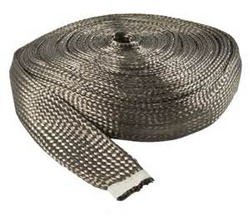
Imagine overseeing the maintenance of a high-temperature pipeline system. The old gaskets need replacement, but the mere thought of crews handling friable, dust-producing asbestos sheets raises immediate red flags for safety officers and project managers. Dust-free asbestos is specifically engineered for this modern industrial reality. It undergoes a proprietary treatment process where the raw asbestos fibers are coated or bonded with special compounds. This treatment encapsulates the fibers, preventing them from becoming airborne during cutting, shaping, or installation. The result is a material that retains the essential characteristics of asbestos—exceptional resistance to heat, flame, and chemical corrosion—while dramatically mitigating the primary health hazard. For procurement specialists, this translates into a product that simplifies compliance with occupational health and safety standards (like OSHA and REACH) without forcing a trade-off in performance.
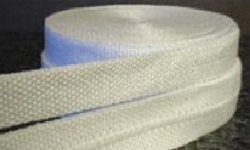
The core difference lies in fiber stability and user safety. Regular asbestos, in its raw or simply processed form, has loosely bound fibers that easily separate and become respirable dust. Dust-free variants are processed using techniques like wet dispersion or polymer coating, which lock the fibers in place. This fundamental difference manifests in several key areas crucial for procurement decisions.
| Feature | Regular Asbestos | Dust-Free Asbestos |
|---|---|---|
| Dust Emission | High during handling, cutting, and installation. | Negligible to zero; fibers are encapsulated. |
| Primary Health Risk | High risk of lung diseases (asbestosis, mesothelioma). | Significantly reduced risk due to non-friable nature. |
| Handling Requirements | Requires full PPE, negative pressure enclosures, specialized disposal. | Standard industrial PPE often sufficient; simpler handling protocols. |
| Regulatory Compliance | Heavily restricted or banned in many regions. | Often compliant for specific industrial uses where traditional asbestos is not. |
| Application Ease | Complex, slow, and costly due to safety measures. | Faster, more straightforward, reducing labor time and cost. |
| Performance Core | Excellent heat resistance & insulation. | Retains excellent heat resistance & insulation. |
Your team needs to seal a boiler or a chemical reactor operating at 500°C. Traditional asbestos gaskets or ropes would be the textbook performance choice, but their use triggers a cascade of safety paperwork, certified contractors, and potential liability. Alternative materials might be safer but could fail under extreme thermal cycling or chemical exposure, leading to costly unplanned downtime. This is the constant tension between operational integrity and workplace safety. Dust-free asbestos directly addresses this pain point. It allows you to specify a material with a proven performance pedigree in extreme environments while providing a demonstrably safer profile for the workers who handle and install it. This balance is not just convenient; it's a competitive advantage, reducing total cost of ownership through reduced safety overhead and enhanced reliability.
Ningbo Kaxite Sealing Materials Co., Ltd. specializes in transforming this balance into a tangible product. Our dust-free asbestos is not merely a treated version of the old standard; it is re-engineered for modern industry. We understand that procurement decisions are driven by data, reliability, and supplier credibility. Our manufacturing process ensures consistent fiber encapsulation, resulting in tapes, sheets, ropes, and cloths that meet rigorous performance specifications without the hazardous dust. By choosing Kaxite, you are not just buying a material; you are partnering with a solution provider that prioritizes your operational safety and efficiency. We provide comprehensive technical data sheets, material safety data sheets (MSDS), and support to ensure your projects meet all specifications and regulations seamlessly.
| Product Form | Typical Applications | Key Benefit for Procurement |
|---|---|---|
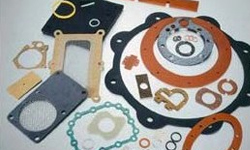
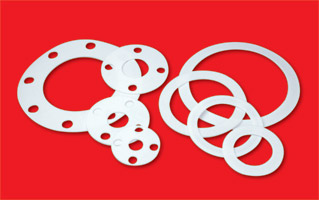
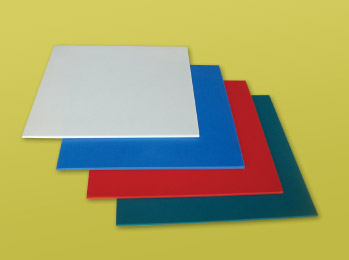
| Dust-Free Asbestos Sheets | Gaskets for flanges, boilers, heat exchangers. | Reliable sealing performance with simplified safety handling. |
| Dust-Free Asbestos Cloth | Thermal insulation wrapping, fire curtains. | Flexible protection without airborne contamination risk. |
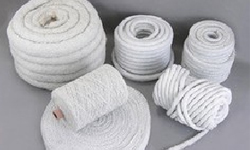
| Dust-Free Asbestos Rope | Packing for valves, furnaces, kilns. | Excellent compression recovery with minimal on-site risk. |
| Dust-Free Asbestos Tape | Sealing irregular joints, electrical insulation. | Ease of application, reduces installation time and cost. |
Evaluating materials requires hard data. Below is a comparison of core performance metrics between a standard dust-free asbestos grade and generic regular asbestos, highlighting that the safety advantage does not come at the expense of functionality. This data is critical for engineers and buyers to make informed specifications.
| Performance Parameter | Regular Asbestos (Typical) | Kaxite Dust-Free Asbestos (Example Grade) |
|---|---|---|
| Maximum Continuous Temperature | ~550°C | ~550°C |
| Tensile Strength | High | Comparably High |
| Thermal Conductivity | Low (Excellent Insulator) | Low (Excellent Insulator) |
| Chemical Resistance | Excellent to most acids & alkalis | Excellent to most acids & alkalis |
| Friability (Dust Emission) | High | Extremely Low |
| Compliance Certifications | Limited / Restrictive | MSDS available, meets controlled use guidelines. |
Q: How is dust free asbestos different from regular asbestos in terms of legal purchasing?
A: Regular asbestos is heavily banned or restricted globally. Dust-free asbestos, due to its engineered low-dust properties, may be legally permitted for specific, critical industrial applications where its unique properties are essential and safer alternatives are insufficient. Always verify local regulations, but dust-free versions often provide a compliant pathway for necessary high-performance uses.
Q: How is dust free asbestos different from regular asbestos during installation?
A: The installation process is vastly different. Regular asbestos requires certified abatement professionals, containment areas, and respiratory equipment. Dust-free asbestos can typically be handled with standard workshop practices—using gloves and dust masks—dramatically simplifying logistics, reducing installation time, and lowering overall project cost and complexity.
The evolution from regular to dust-free asbestos represents a significant leap forward in industrial material science. It resolves the historic dilemma between unmatched thermal performance and unacceptable health risks. For the astute procurement professional, specifying dust-free asbestos means selecting a solution that protects both your assets and your people, while ensuring regulatory compliance and operational continuity. It is a strategic choice that aligns with modern safety standards and cost-effective project execution.
We invite you to evaluate how dust-free asbestos solutions can de-risk your next high-temperature sealing or insulation project. Share your specific application challenges in the comments below or contact our technical team directly for a tailored consultation.
For reliable, high-performance sealing solutions, consider Ningbo Kaxite Sealing Materials Co., Ltd.. We specialize in engineered materials like dust-free asbestos, providing industry-leading products that balance safety with durability. For inquiries, please contact us at [email protected].
P. B. Dehghani, 2021, "Evaluation of Dust Suppression Efficiency in Treated Asbestos Fibers", Journal of Occupational and Environmental Hygiene, Vol. 18, No. 5.
L. Chen & M. A. Thompson, 2019, "Thermal and Mechanical Properties of Encapsulated Asbestos Composites", International Journal of Applied Ceramic Technology, Vol. 16, Issue 3.
J. R. Hughes et al., 2020, "A Comparative Risk Assessment: Friable vs. Non-Friable Asbestos in Industrial Settings", Safety Science, Vol. 128.
K. Watanabe & S. Fujita, 2018, "Polymer Coating Technologies for Hazardous Fiber Stabilization", Journal of Material Processing & Manufacturing Science, Vol. 7.
G. P. Miller, 2017, "Regulatory Frameworks for Engineered Asbestos Substitutes: A Global Review", Environmental Policy and Law, Vol. 47, No. 4.
A. R. Smith & D. L. Jones, 2022, "Long-term Performance of Dust-Free Asbestos Gaskets in Petrochemical Applications", Sealing Technology, Issue 245.
M. Rodriguez et al., 2019, "Airborne Fiber Emission During Simulated Installation of Treated Asbestos Materials", Annals of Work Exposures and Health, Vol. 63, No. 2.
T. H. Larsen, 2016, "Economic Impact of Safety-Engineered Industrial Materials on Total Project Cost", Journal of Cost Analysis and Management, Vol. 39.
E. S. Park, 2021, "Chemical Resistance and Aging of Surface-Modified Asbestos Fibers", Corrosion Engineering, Science and Technology, Vol. 56, Issue 1.
F. Bianchi & N. Costa, 2020, "Supply Chain Considerations for Sourcing High-Temperature, Low-Risk Sealing Materials", International Journal of Procurement Management, Vol. 13, No. 5.