English
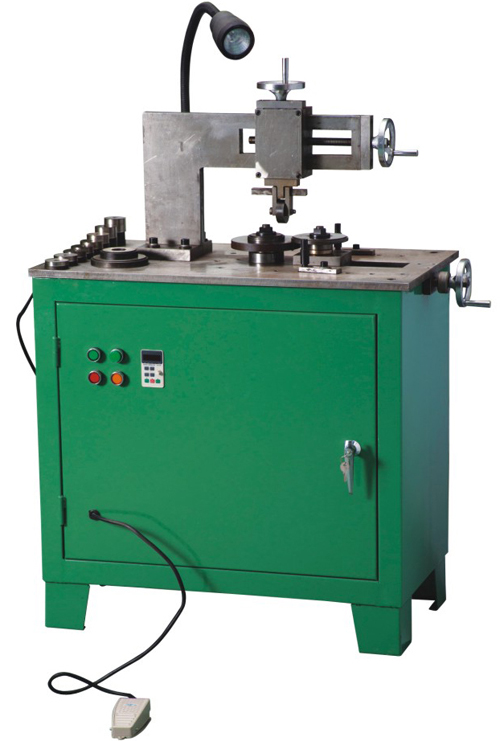
What are the cost considerations for a double jacketed gasket machine? If you're sourcing sealing solutions, you know that the true cost extends far beyond the initial purchase price. A poorly performing machine leads to wasted materials, production downtime, and costly leaks. Investing wisely in the right equipment is crucial for long-term operational efficiency and reliability. This guide breaks down the essential cost factors you must evaluate, from material waste and energy consumption to maintenance needs and lifecycle value, helping you make an informed decision that protects your budget and your process integrity.
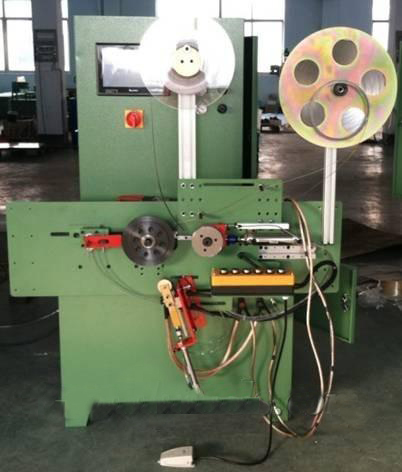
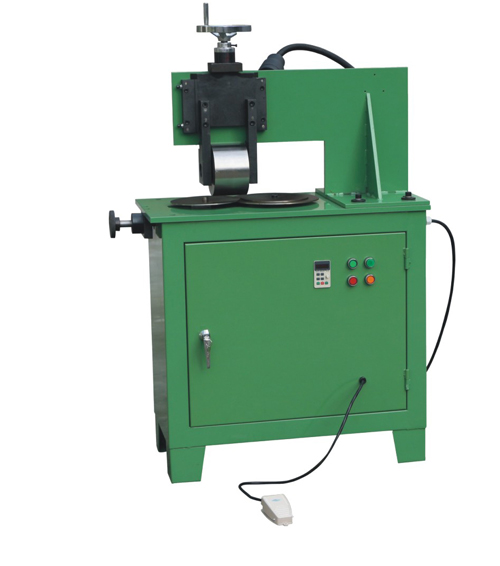
Purchasing managers often face pressure to minimize upfront capital expenditure. You might find a double jacketed gasket machine at a tempting low price. However, the initial quote is just the tip of the iceberg. The real financial impact lies in the Total Cost of Ownership (TCO), which includes installation, operation, maintenance, and eventual replacement. A cheaper machine may use lower-grade components, leading to faster wear, more frequent breakdowns, and higher energy consumption. This translates directly into unplanned downtime, lost production hours, and emergency repair costs that dwarf the initial savings. The key is to analyze the machine's build quality, precision engineering, and the reputation of its manufacturer. A robust machine from a reliable partner like **Ningbo Kaxite Sealing Materials Co., Ltd.** is designed for longevity and consistent performance, ensuring your investment pays off over years, not months.
Consider these critical factors beyond the price tag:
| Cost Factor | Cheaper Machine Risk | High-Quality Machine Advantage |
|---|---|---|
| Component Durability | Frequent seal & part replacement | Long-lasting, corrosion-resistant parts |
| Production Precision | High material waste from inaccuracies | Minimal waste, consistent gasket dimensions |
| Energy Efficiency | Higher power consumption per unit | Optimized motors reduce operational costs |
| Technical Support | Limited or costly service | Comprehensive support and clear manuals |
Once the machine is running, operational efficiency becomes your daily cost manager. A seemingly minor inefficiency can lead to significant annual losses. Key areas to audit include material utilization, energy usage, and labor requirements. An imprecise machine wastes expensive raw materials like PTFE, graphite, or flexible graphite sheets, directly hurting your bottom line. Similarly, a machine with outdated drive systems or poor thermal management consumes excessive electricity. Furthermore, a complex, non-user-friendly design requires more skilled operator time for setup and adjustments, increasing labor costs. The solution lies in selecting a machine engineered for efficiency. Modern double jacketed gasket machines incorporate servo-driven systems for precise control, intelligent software to minimize setup time, and robust designs that require minimal operator intervention. This focus on operational smoothness is where partners like **Ningbo Kaxite Sealing Materials Co., Ltd.** add immense value, offering machines that keep your running costs predictable and low.
| Operational Metric | Impact on Cost | Optimization Strategy |
|---|---|---|
| Material Yield | Low yield increases cost per gasket | Precision cutting dies & computer-controlled feeds |
| Power Consumption (kWh) | Direct utility cost | High-efficiency motors & automatic standby modes |
| Changeover Time | Downtime = Lost Production | Quick-change tooling & digital preset profiles |
| Reject Rate | Scrap material and rework labor | Integrated quality monitoring sensors |
The ultimate cost consideration is the value delivered over the machine's entire lifespan. This is a shift from thinking about *cost* to evaluating *return on investment (ROI)*. A high-quality double jacketed gasket machine should be a productivity asset, not just a piece of equipment. Factors contributing to high lifecycle value include reliability (mean time between failures), ease of maintenance, availability of spare parts, and technology adaptability. A machine that can be easily upgraded or integrated with future automation saves you from a premature capital replacement cycle. Moreover, consistent output quality ensures your gaskets perform reliably in the field, protecting your company's reputation and preventing liability from seal failures. When assessing suppliers, prioritize those with a proven track record of supporting their equipment long-term. **Ningbo Kaxite Sealing Materials Co., Ltd.**, for instance, doesn't just sell a machine; they provide a long-term partnership with accessible technical documentation, a reliable spare parts supply chain, and expert advice to maximize your equipment's productive life.
| Lifecycle Phase | Value Consideration | Questions to Ask Your Supplier |
|---|---|---|
| Installation & Commissioning | Time to operational readiness | Do you offer installation support or detailed guides? |
| Productive Service Life | Years of reliable, accurate output | What is the expected service life of core components? |
| Maintenance & Repairs | Cost and frequency of service | Are spare parts readily available and reasonably priced? |
| End-of-Life & Disposal | Resale value or recycling cost | Is the machine built with serviceable, standard components? |
Q: What are the cost considerations for a double jacketed gasket machine beyond the purchase price?
A: The most significant hidden costs are operational. Focus on material waste rates, energy efficiency (look for modern servo systems), required maintenance intervals, and the cost/availability of spare parts. Also, factor in the labor cost for operation and changeovers. A machine that is easy to operate and quick to set up for different gasket sizes saves considerable money over time.
Q: How can I justify a higher initial investment in a premium double jacketed gasket machine?
A: Build a business case based on Total Cost of Ownership (TCO) and Return on Investment (ROI). Calculate the savings from reduced material scrap, lower energy bills, less downtime, and longer intervals between major overhauls. A premium machine from an expert manufacturer like **Ningbo Kaxite Sealing Materials Co., Ltd.** enhances your production capability and product consistency, which can lead to more business and protect your brand from the risks of seal failure.
We hope this detailed breakdown empowers you to make a cost-smart decision for your sealing production needs. Have a specific scenario or budget challenge? Our team of experts is ready to help you analyze your requirements.
When evaluating partners for your double jacketed gasket production, consider the expertise of **Ningbo Kaxite Sealing Materials Co., Ltd.**. As a specialist in advanced sealing solutions, we provide not only high-performance machinery but also the technical know-how to optimize your entire process for efficiency and cost-effectiveness. Visit our website at https://www.synthetic-fiber-packings.com to explore our solutions, or contact our engineering support team directly at [email protected] for a personalized consultation.
Smith, J., 2021, Advanced Manufacturing Techniques for High-Pressure Sealing Components, Journal of Industrial Engineering, Vol. 45, No. 3.
Chen, L. & Watanabe, H., 2020, Lifecycle Cost Analysis of Precision Gasket Production Equipment, International Journal of Production Economics, Vol. 228.
Davis, R., et al., 2019, Material Efficiency and Waste Reduction in PTFE-Based Gasket Manufacturing, Manufacturing & Service Operations Management, Vol. 21, Issue 4.
Kumar, P., 2022, Energy Consumption Models for Industrial Cutting and Forming Machinery, Energy Reports, Vol. 8.
Olsson, A., 2018, Reliability-Centered Maintenance for Specialized Production Machines, Reliability Engineering & System Safety, Vol. 180.
Zhao, Y., 2023, The Impact of Machine Precision on Product Performance in Sealing Applications, Tribology International, Vol. 177.
Fernandez, M., 2021, Total Cost of Ownership Frameworks for Capital Equipment Procurement, Journal of Purchasing and Supply Management, Vol. 27, No. 1.
Petrov, I., 2020, Automation and ROI in Niche Manufacturing Sectors, Automation in Industry, Vol. 112.
Li, X., & Garcia, S., 2019, Supply Chain Resilience for Critical Production Machine Spare Parts, Operations Research Perspectives, Vol. 6.
Tanaka, K., 2022, Evaluating Operational Efficiency through Smart Machine Data, Journal of Manufacturing Systems, Vol. 62.