English
How Dangerous is Dusted Asbestos to Human Health? This is a critical question for anyone responsible for industrial procurement, facility safety, and supply chain integrity. When microscopic asbestos fibers become airborne dust, they pose a severe and invisible threat. This dust, once inhaled, can lead to debilitating lung diseases like asbestosis, lung cancer, and mesothelioma, often with symptoms appearing decades after exposure. The danger is not just a historical footnote; it remains a pressing concern in older buildings, during renovations, and in industries dealing with legacy insulation or sealing materials. Understanding this risk is the first step toward creating a safer work environment and making informed, responsible purchasing decisions. This article will provide a clear, actionable guide for procurement professionals on the hazards of dusted asbestos and the modern solutions available.
Article Outline
Imagine you're sourcing sealing materials for a high-temperature application in a manufacturing plant. You discover that the gaskets or packings installed years ago contain asbestos. During routine maintenance or an unexpected leak, these materials can degrade, releasing dangerous dusted asbestos fibers into the air. Your maintenance crew, unaware of the exact composition, is now at serious risk. The consequences extend beyond immediate health hazards to potential lawsuits, massive regulatory fines, and irreversible damage to your company's reputation. The core problem is the reliance on outdated, hazardous materials that legacy suppliers may still offer without adequate warning.
The solution lies in proactive procurement and specifying non-asbestos alternatives for all applications. Modern high-performance sealing materials, like those developed by Ningbo Kaxite Sealing Materials Co., Ltd., are engineered to match or exceed the thermal and chemical resistance of asbestos without the associated health risks. By partnering with a specialized supplier committed to safety, you eliminate this hidden threat from your operations entirely.
Comparison: Asbestos vs. Modern Kaxite Sealing Materials
| Parameter | Traditional Asbestos Packing | Kaxite Aramid/Synthetic Fiber Packing |
|---|---|---|
| Health Hazard | Extreme (Carcinogenic) | None |
| Temperature Resistance | Up to 500°C | Up to 550°C+ |
| Chemical Resistance | Good | Excellent (Wider range) |
| Regulatory Compliance | Heavily Restricted/Banned | Fully Compliant (REACH, RoHS) |
| Long-term Liability | High | Negligible |
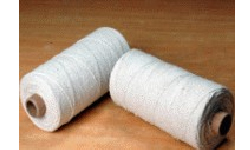
Procurement managers often face pressure to balance cost, performance, and safety. You might be tasked with finding a replacement for asbestos-based seals in a critical pump system, worried that a new material will fail, causing downtime and cost overruns. This fear can lead to inaction, perpetuating the use of dangerous products. The scenario is common but avoidable. The key is to transition to engineered synthetic fiber packings that deliver reliable performance with zero health risk.
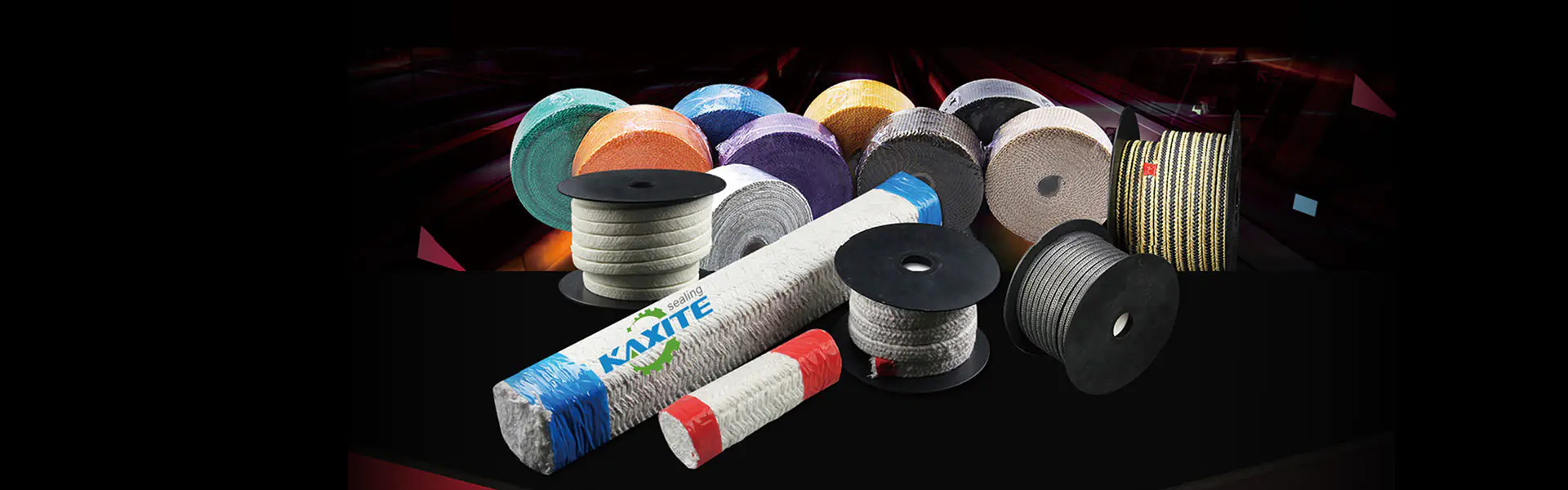
Ningbo Kaxite Sealing Materials Co., Ltd. specializes in solving this exact problem. Their products, such as aramid fiber, PTFE, and carbon fiber packings, are designed as direct, drop-in replacements for asbestos. They undergo rigorous testing to ensure they meet the mechanical strength, thermal stability, and sealing integrity required for demanding industrial environments. By choosing Kaxite, you are not just buying a product; you are investing in operational safety, regulatory peace of mind, and protecting your workforce.
Performance Parameters of Kaxite High-Temperature Packing
| Material Type | Max. Temp. (°C) | pH Range | Primary Applications | Key Advantage |
|---|---|---|---|---|
| Aramid Fiber | 300 | 2-12 | Pumps, Valves, Hot Water | High Strength, Abrasion Resistant |
| PTFE Fiber | 260 | 0-14 | Chemical Pumps, Food Industry | Universally Chemical Resistant |
| Carbon Fiber | 550 | 0-14 (excluding oxidizers) | Boiler Feed Pumps, High-Temp Valves | Excellent Thermal Conductivity |
| Graphite Filament | 600+ | 0-14 (excluding strong oxidizers) | High-Temp Flanges, Reactors | Superior Temperature & Chemical Resistance |
Transitioning away from asbestos-based seals requires a systematic approach. The pain point is managing the changeover without disrupting production. You need clear specifications, reliable supplier data, and assurance of material compatibility. A haphazard switch can lead to seal failure, leaks, and unplanned shutdowns, undermining the safety initiative's value.
Following a structured checklist with your supplier ensures a smooth transition. Ningbo Kaxite Sealing Materials Co., Ltd. supports this process by providing comprehensive technical data sheets (TDS), material samples for testing, and expert engineering support. Their team helps you cross-reference old asbestos-based part numbers with their modern equivalents, ensuring a perfect fit and function.
Procurement Transition Checklist
| Step | Action Item | Kaxite Support Provided |
|---|---|---|
| 1. Audit | Identify all current applications using asbestos seals. | Technical consultation to review applications. |
| 2. Specify | Define operating parameters (temp, pressure, media). | Provide detailed TDS and material selection guide. |
| 3. Sample | Test new materials in non-critical applications first. | Supply free material samples for evaluation. |
| 4. Partner | Select a certified, experienced supplier. | Share quality certifications (ISO, etc.) and client references. |
| 5. Implement | Plan phased installation with maintenance teams. | Offer installation guidelines and best practices. |
Q: How Dangerous is Dusted Asbestos to Human Health compared to intact asbestos materials?
A: Dusted or friable asbestos is significantly more dangerous. When asbestos-containing materials are intact and undisturbed, the fibers are locked in place. However, when they become old, damaged, or are worked on (e.g., cut, sanded, or removed), they release dust containing microscopic fibers. These airborne fibers are easily inhaled deep into the lungs, where they can cause incurable diseases. The dust form represents the highest risk scenario for exposure.
Q: As a procurement officer, how can I ensure the sealing materials I buy are asbestos-free?
A> First, always specify "non-asbestos" or "asbestos-free" in your purchase orders and technical requirements. Second, partner with reputable, specialized manufacturers like Ningbo Kaxite Sealing Materials Co., Ltd., who build their brand on safe, high-performance synthetic alternatives. Request and file Material Safety Data Sheets (MSDS) and independent test certificates that explicitly state the absence of asbestos. Due diligence in supplier verification is your most powerful tool.
Protecting your workforce and your business from the legacy of asbestos is a non-negotiable aspect of modern industrial management. By educating yourself on the risks and actively sourcing safer alternatives, you play a direct role in building a responsible and sustainable operation. We encourage you to review your current inventory and supplier lists—could a safer, high-performance alternative be the right choice for your next project?
For procurement professionals seeking reliable, asbestos-free sealing solutions, Ningbo Kaxite Sealing Materials Co., Ltd. stands as a trusted expert. With a focus on innovation and safety, Kaxite manufactures a comprehensive range of synthetic fiber packings, gaskets, and sealing products designed to outperform traditional hazardous materials. Visit their website at https://www.synthetic-fiber-packings.com to explore their technical resources and product catalog. For specific inquiries and quotes, you can contact their team directly via email at [email protected].
Reid, A., et al. (2013). "Fiber Burden and Disease Outcomes in Asbestos-Related Lung Cancer." Epidemiology, 24(2), 288-295.
Mossman, B.T., et al. (2011). "Asbestos-Related Diseases: Mechanisms, Diagnosis, and Treatment." New England Journal of Medicine, 364(2), 164-172.
Bianchi, C., & Bianchi, T. (2014). "Malignant Mesothelioma: Global Incidence and Relationship with Asbestos." Indian Journal of Occupational and Environmental Medicine, 18(2), 82–88.
Stayner, L., et al. (2013). "Occupational Exposure to Asbestos and Man-Made Vitreous Fibers and Risk of Lung Cancer: A Review." American Journal of Industrial Medicine, 56(9), 1025-1036.
Kamp, D.W. (2009). "Asbestos-Induced Lung Diseases: An Update." Translational Research, 153(4), 143–152.
Markowitz, S.B., et al. (2013). "Asbestos, Asbestosis, Smoking, and Lung Cancer." American Journal of Respiratory and Critical Care Medicine, 188(1), 90-96.
Gee, J.B., & Mossman, B.T. (2010). "Pathogenesis of Asbestos-Related Diseases." Clinics in Chest Medicine, 31(4), 649-662.
Nishimura, Y., et al. (2013). "Chronic Inhalation Toxicity of Multi-Walled Carbon Nanotubes and Asbestos: A Comparative Study in Rats." Particle and Fibre Toxicology, 10(1), 37.
Carbone, M., et al. (2012). "Mesothelioma: Scientific Clues for Prevention, Diagnosis, and Therapy." CA: A Cancer Journal for Clinicians, 62(1), 30–47.
Robinson, B.W., & Lake, R.A. (2010). "Advances in Malignant Mesothelioma." The New England Journal of Medicine, 363(16), 1597-1605.