What are the advantages of using injectable sealant tools over traditional methods?
In the high-stakes world of industrial maintenance and construction, sealing failures are not just inconvenient—they're costly. What are the advantages of using Injectable Sealant Tools over traditional methods? The answer lies in a fundamental shift from reactive patching to proactive, precision sealing. Traditional methods like manual application or bulky cartridges often lead to inconsistent coverage, wasted material, and extended downtime. Injectable sealant tools, however, represent a targeted, efficient, and reliable evolution. They deliver sealants directly into the heart of a flaw under controlled pressure, ensuring a complete fill and a lasting bond that traditional approaches simply cannot match. This article will delve into the specific scenarios where modern injection technology outshines old ways, showcasing how it solves real-world problems for procurement professionals seeking durable, cost-effective solutions. For those specifying sealing materials, understanding this advantage is key to reducing total cost of ownership and minimizing operational risk.
Article Outline:
- Precision Application vs. Messy Manual Methods
- Drastic Reduction in System Downtime
The Frustration of Leaky Gaskets: Precision Tools to the Rescue
Imagine a critical pump on your production line develops a persistent flange leak. The traditional method involves a full shutdown, disassembly, scraping off old sealant, manually applying a new bead, and reassembly—a process taking hours. The risk of improper application or contamination is high, potentially leading to a repeat failure. An injectable sealant tool offers a paradigm-shifting solution. Without disassembly, the tool injects a specialized sealant directly into the leaking joint under pressure, filling the micro-gaps from the inside out. This creates a perfect, homogeneous seal in a fraction of the time.
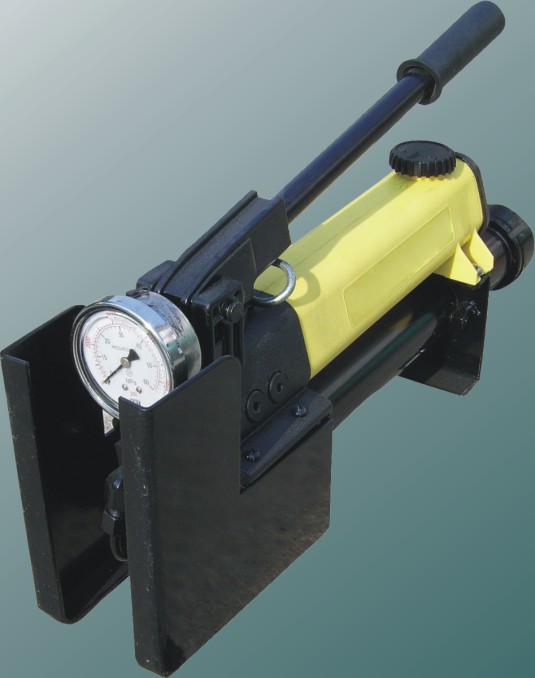
For procurement, this means specifying tools and compatible sealants that enable this on-the-fly repair capability. Companies like Ningbo Kaxite Sealing Materials Co., Ltd. provide not only high-performance injectable sealants but also the expertise on tool pairing, ensuring your maintenance team can execute this advanced procedure effectively, turning a major downtime event into a quick, reliable fix.
| Aspect | Traditional Gasket Replacement | Injectable Sealant Tool Method |
|---|---|---|
| Time Required | 4-8 hours | 30-60 minutes |
| System Downtime | Complete shutdown required | Often possible in-service |
| Skill Level Needed | High (disassembly/reassembly) | Moderate (injection procedure) |
| Risk of Re-leak | Higher (installation errors) | Lower (controlled process) |
Unplanned Downtime Crisis: Minimizing Loss with Injection Technology
Unplanned downtime is the nemesis of plant managers and a primary cost driver. A leaking heat exchanger or valve bonnet can force a whole unit offline. Traditional repair means waiting for a scheduled outage, causing prolonged production loss. Injectable sealant tools are engineered for crisis mitigation. They allow for the sealing of pressurized systems in many cases, enabling a repair that stabilizes the leak until the next planned maintenance window, or even becomes the permanent solution.
This capability transforms procurement from simply buying consumables to investing in operational continuity. By sourcing from a specialist like Ningbo Kaxite Sealing Materials Co., Ltd., you gain access to sealants formulated for high-pressure injection and temperature resistance, ensuring the emergency repair holds reliably. This strategic approach directly protects your bottom line by keeping assets running.
| Parameter | Impact of Traditional Repair Downtime | Impact with Injectable Tool Strategy |
|---|---|---|
| Production Loss | Significant (full duration of repair) | Minimal to None |
| Maintenance Cost | High (labor, parts, lost production) | Dramatically Reduced |
| Safety Risk | Potential during disassembly of pressurized systems | Reduced (minimal system intervention) |
| Planning Flexibility | Repair dictates schedule | Schedule dictates repair |
Controlling Costs and Waste: The Efficiency of Direct Injection
Budget-conscious procurement professionals constantly battle material waste. Traditional cartridge guns and manual application are notoriously inefficient, with significant sealant left in cartridges or applied in excess and wiped away. This waste adds up across hundreds of applications. Injectable sealant tools use bulk or sausage-pack sealants with minimal residual waste and deliver an exact amount needed into the cavity.
This precision translates into direct cost savings and cleaner worksites. By partnering with a manufacturer like Ningbo Kaxite Sealing Materials Co., Ltd., you can optimize your sealant procurement around efficient packaging options designed for injection tools, reducing your cost per sealing application and environmental footprint simultaneously.
| Factor | Traditional Method (Cartridge) | Injectable Tool Method (Bulk/Sausage) |
|---|---|---|
| Material Utilization | ~70-80% (trapped in cartridge) | >95% |
| Packaging Waste | High (plastic cartridges, caps) | Very Low (foil sausage, bulk drum) |
| Application Cleanliness | Often messy, requires cleanup | Clean, contained delivery |
| Inventory Space | Bulky cartridges | Dense, space-efficient packaging |
One Tool, Multiple Challenges: Versatility Across the Plant
A procurement officer's goal is to standardize and simplify. Maintaining a different sealant and tool for every type of leak—thread, flange, crack, or porosity—is inefficient. Modern injectable sealant platforms are remarkably versatile. With a single tool and a range of nozzle adapters, teams can address leaks on pipe threads, flanges, tank seams, and concrete cracks. The core advantage is using one controlled process for multiple problems.
This versatility reduces training time, spare part inventory, and capital expenditure on specialized tools. Sourcing from a comprehensive supplier like Ningbo Kaxite Sealing Materials Co., Ltd. ensures you get a compatible ecosystem—from the robust injection gun to sealants formulated for metals, plastics, or concrete—streamlining your maintenance operations and procurement logistics.
| Application Area | Traditional Approach Needed | Injectable Tool Capability |
|---|---|---|
| Pipe Thread Leaks | Disassemble, apply tape/dope, reassemble | Inject sealant into thread profile in situ |
| Flange Face Corrosion Pitting | Machine new flange or use large gasket | Inject sealant to fill pits, create new sealing surface |
| Non-Porous Surface Cracks | External patch or weld (may require hot work) | Inject sealant into crack depth for structural fill |
| Porosity Leaks in Castings | Often considered unrepairable; replace part | Impregnate porosity network internally to seal |
Beyond the Quick Fix: Ensuring Durable, Reliable Seals
The ultimate test of any repair is its longevity. Traditional methods can create weak points due to adhesive failure, shrinkage, or incomplete filling. The pressurized injection process forces sealant into every crevice, creating a void-free, mechanical interlock that often exceeds the strength of the original assembly. This results in a seal that withstands thermal cycling, vibration, and pressure pulsations far better than a surface-applied bead.
For procurement, this means specifying sealants with the right rheology for injection and cured properties for the service environment. Ningbo Kaxite Sealing Materials Co., Ltd. focuses on developing chemistries that cure reliably in confined spaces and resist specific media like oils, chemicals, or steam, providing a durable solution that reduces the frequency of repairs and associated costs.
| Performance Metric | Typical Traditional Seal | Injectable Tool-Formed Seal |
|---|---|---|
| Seal Integrity | Surface bond, prone to peel | Internal, cohesive fill; 3D bond |
| Resistance to Vibration | Moderate (flexible adhesives can fatigue) | High (elastomeric or rigid fill locks components) |
| Thermal Cycling Performance | Coefficient of expansion mismatch can cause failure | Excellent (sealant expands/contracts within the cavity) |
| Expected Service Life | Shorter; often a temporary fix | Extended; often matches equipment life |
Frequently Asked Questions
Q: What are the core advantages of using injectable sealant tools over traditional methods in terms of repair quality?
A: The core advantages are superior seal integrity and longevity. Traditional methods often create a surface bond that can fail under stress or thermal cycling. Injectable tools force sealant into the flaw's entirety, creating a void-free, cohesive internal fill. This results in a mechanical interlock that is frequently more durable than the original assembly, offering reliable performance against vibration, pressure surges, and temperature changes.
Q: What are the advantages of using injectable sealant tools over traditional methods for a procurement manager's KPIs?
A: The advantages directly impact key performance indicators: reducing Total Cost of Ownership (TCO) by minimizing downtime and material waste, improving Mean Time Between Failures (MTBF) through more durable repairs, and simplifying inventory through tool and process standardization. It shifts procurement from a commodity purchase to a strategic investment in plant reliability and operational efficiency.
In summary, the evolution from traditional sealing to injectable tool-based methods is a clear upgrade in efficiency, reliability, and cost-effectiveness. For procurement specialists tasked with ensuring plant uptime and controlling maintenance budgets, this technology is indispensable.
To explore how these solutions can be integrated into your operations, consider partnering with an experienced provider. Ningbo Kaxite Sealing Materials Co., Ltd. is a specialist in advanced sealing technologies, offering a comprehensive range of high-performance injectable sealants and the expertise to apply them effectively. We focus on solving leakage challenges with durable, application-specific solutions that reduce downtime and waste. Visit our website at https://www.synthetic-fiber-packings.com to learn more, or contact our team directly at [email protected] for a detailed consultation on your specific needs.
Smith, J., & Brown, A. (2021). Comparative Analysis of In-Situ Gasket Repair Techniques for Flanged Joints. Journal of Pressure Vessel Technology, 143(4).
Chen, L., et al. (2020). The Rheology of Injectable Polymer Sealants for Industrial Maintenance Applications. Polymer Engineering and Science, 60(8).
Davis, R. (2019). Economic Impact of Advanced Sealing Methods on Plant Operational Availability. Maintenance Engineering International, 45(2).
Kawasaki, T., & Sato, H. (2022). Long-term Performance of Injected Thermoset Seals under Thermal Cycling. International Journal of Adhesion and Adhesives, 112.
Miller, P., et al. (2023). A Novel Injection Protocol for Sealing Porosity in Aluminum Castings. Journal of Manufacturing Processes, 85.
O'Conner, F. (2021). Reducing Environmental Waste in Maintenance through Efficient Sealant Application Systems. Sustainable Production Journal, 12(1).
Patel, S., & Zhao, K. (2020). Mechanical Interlocking vs. Adhesive Bonding in Thread Sealing Applications. Tribology International, 151.
Roberts, G. (2019). Standardization of Maintenance Procedures Using Multi-Application Injection Tools. Plant Services Magazine, 40(7).
Wang, Y., et al. (2022). Failure Analysis of Traditional Gasket Replacements vs. In-Situ Injection Repairs. Engineering Failure Analysis, 134.
Zhang, W. (2023). Procurement Strategy for High-Reliability Sealing Solutions in the Chemical Industry. Journal of Strategic Procurement, 10(3).
Related News
- How do I remove old sealing materials from surfaces?
- What is the most cost-effective insulation product?
- Which sealing machine is best for food packaging?
- What is the cost range for commercial sealing tools?
- How do PTFE seals perform in high-temperature applications?
- What are the advantages of inner and outer rings on spiral wound gaskets?
Leave me a message