English
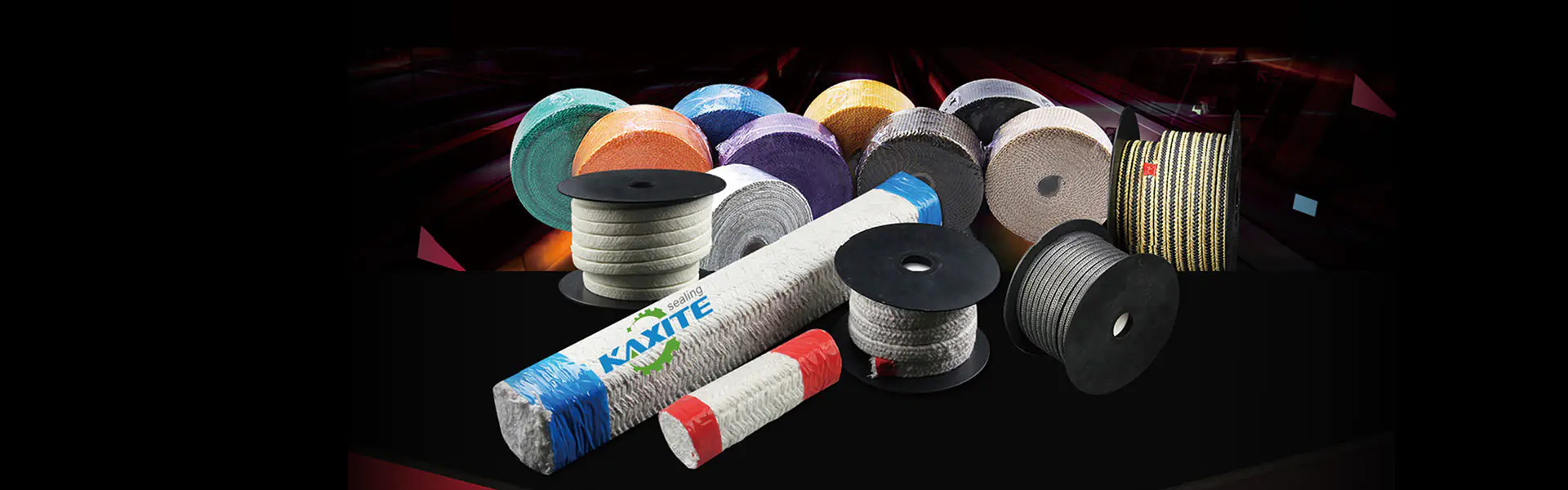
How is Carbon Fiber used in the aerospace industry? This question is at the heart of modern aircraft design and performance. Imagine an aircraft that needs to be incredibly strong to withstand immense forces, yet light enough to achieve maximum fuel efficiency and range. This is the fundamental challenge aerospace engineers face, and carbon fiber composites provide the elegant solution. By combining high-strength carbon fibers with polymer resins, manufacturers create materials that offer an unparalleled strength-to-weight ratio. From the fuselage and wings of commercial airliners to the critical components of satellites and rockets, carbon fiber is revolutionizing how we build things that fly. Its use reduces weight, leading to significant fuel savings, lower emissions, and increased payload capacity. As the industry pushes for more sustainable and efficient flight, the role of carbon fiber only becomes more central. This article will explore the key applications, benefits, and specific solutions, including those from specialized suppliers like Ningbo Kaxite Sealing Materials Co., Ltd., that make advanced aerospace projects possible.
Article Outline
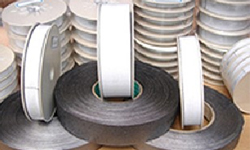
Every extra kilogram on an aircraft has a cascading cost: more fuel is burned, operational expenses rise, and environmental impact increases. This is the primary pain point for airline operators and aircraft manufacturers. The solution lies in advanced composite materials, with carbon fiber leading the charge. Replacing traditional aluminum alloys with carbon fiber composites can reduce the weight of major structures by 20% to 50%. This dramatic saving directly translates to lower fuel consumption, extended aircraft range, and the ability to carry more passengers or cargo. For procurement specialists, specifying the right carbon fiber components is not just about buying a material; it's about investing in long-term operational efficiency and sustainability. High-performance carbon fiber tapes and fabrics are essential for creating these lightweight structures.
Key parameters for aerospace-grade carbon fiber composites include:
| Parameter | Typical Value/Description | Importance for Aerospace |
|---|---|---|
| Tensile Strength | 3,500 - 6,000 MPa | Withstands flight loads and pressure cycles. |
| Tensile Modulus | 230 - 580 GPa | Provides stiffness for wing and fuselage rigidity. |
| Density | 1.5 - 1.6 g/cm³ | Approximately 60% lighter than aluminum, enabling weight savings. |
| Fatigue Resistance | Exceptional | Superior to metals, leading to longer service life and reduced maintenance. |
While the visible parts of planes get attention, the reliability of internal systems is paramount. Engineers face the challenge of designing components that operate reliably in extreme environments—from the intense vibration of engines to the thermal cycling in space. Carbon fiber composites excel here due to their thermal stability and vibration damping properties. They are used in engine nacelles, fan blades, interior panels, and even in spacecraft bodies. For procurement, this means sourcing materials that meet rigorous OEM specifications for thermal, mechanical, and outgassing properties. Specialized forms like molded parts and prepregs are critical for these applications. How is carbon fiber used in the aerospace industry for these hidden yet vital parts? It ensures systems remain intact and functional under stress, directly impacting safety and mission success. Companies like Ningbo Kaxite Sealing Materials Co., Ltd. provide essential sealing solutions made from advanced materials that complement these carbon fiber structures, ensuring system integrity in demanding conditions.
Q&A Section
Q: How is carbon fiber used in the aerospace industry to improve fuel efficiency?
A: Primarily through weight reduction. Replacing metal parts with carbon fiber composites significantly decreases the aircraft's overall weight. A lighter aircraft requires less thrust to take off and stay airborne, leading to a direct reduction in fuel burn. This can improve fuel efficiency by 15-20% on certain aircraft components, translating to massive cost savings and reduced carbon emissions over the fleet's lifetime.
Q: What are the main advantages of carbon fiber over aluminum in aerospace?
A: Carbon fiber composites offer a higher strength-to-weight ratio, superior fatigue resistance, and better corrosion resistance. They can be tailored for specific directional strengths (anisotropy), allowing engineers to optimize the material layout precisely where loads are applied. While aluminum is isotropic and can be more susceptible to metal fatigue and corrosion, carbon fiber provides longer service life with less maintenance, despite a higher initial material cost.
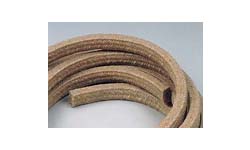
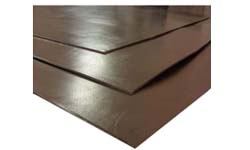
A leak in a fuel line, a breach in cabin pressure, or a failure in a thermal protection system can have catastrophic consequences. The pain point is ensuring absolute sealing integrity in systems that experience extreme temperatures, pressures, and chemical exposure. The solution involves high-performance sealing materials that work in concert with carbon fiber structures. This is where specialized suppliers add critical value. Graphite-based seals, gaskets, and packing materials offer excellent thermal conductivity, chemical inertness, and resilience. For a procurement officer, finding a reliable partner for these components is as crucial as sourcing primary structural materials. How is carbon fiber used in the aerospace industry? It often interfaces with these sealing systems. For instance, carbon fiber-reinforced composites may be used in housings, while high-quality graphite tapes from Ningbo Kaxite Sealing Materials Co., Ltd. provide the reliable, high-temperature seal needed for engines and APUs, ensuring safety and preventing costly downtime.
| Sealing Challenge | Solution & Material | Key Benefit for Procurement |
|---|---|---|
| High-Temperature Engine Seals | Flexible Graphite Tapes & Sheets | Reliable performance up to 3000°F in inert atmospheres, reduces maintenance intervals. |
| Chemical & Fuel Resistance | Impregnated Graphite Packing | Prevents leaks in fuel and hydraulic systems, ensuring system safety and compliance. |
| EMI Shielding for Avionics | Conductive Carbon Fiber Composites | Protects sensitive electronics from interference, a critical requirement for modern aircraft. |
The future aerospace landscape demands even greater efficiency, sustainability, and performance. The pain point is pushing the boundaries of current material science to meet these goals. Emerging solutions include thermoplastic carbon fiber composites for faster, more recyclable manufacturing, and the integration of nanotechnology for enhanced properties like self-healing or sensing capabilities. The next generation of supersonic and hypersonic vehicles will rely on carbon fiber composites capable of withstanding even more extreme thermal loads. For procurement professionals, staying ahead means engaging with suppliers who are innovating. How is carbon fiber used in the aerospace industry evolving? It's moving towards multifunctional, smarter, and more sustainable materials. Partnering with experienced material science companies is key to accessing these next-generation solutions and securing a competitive advantage in future aircraft programs.
Q&A Section
Q: Are there any disadvantages to using carbon fiber in aerospace?
A: The primary challenges are cost and repairability. Carbon fiber composites are more expensive than conventional metals like aluminum. Their manufacturing process is also more complex and time-consuming. Additionally, inspecting for damage (like delamination) and conducting repairs often requires specialized techniques and materials, which can be more involved than welding or riveting metal. However, the long-term benefits in performance and operating costs frequently justify the initial investment.
Q: What role does material sourcing play in aerospace carbon fiber applications?
A: It is absolutely critical. Aerospace requires materials that are certified, traceable, and consistently meet the highest quality standards. Procurement must source from suppliers with robust quality management systems (like AS9100 certification), a proven track record, and the technical expertise to support complex applications. Reliable partners ensure material consistency, which is non-negotiable for flight safety and securing approvals from aviation authorities like the FAA and EASA.
The aerospace industry's relentless pursuit of excellence is built on a foundation of advanced materials. From the primary structures of the latest airliners to the essential seals that keep systems safe, every component matters. For procurement specialists tasked with sourcing these critical materials, choosing the right partner is paramount. Ningbo Kaxite Sealing Materials Co., Ltd. stands as a dedicated supplier of high-performance sealing solutions, including graphite tapes, packings, and gaskets, designed to meet the rigorous demands of aerospace applications. With a focus on quality, reliability, and technical support, Kaxite helps solve the complex sealing challenges that arise alongside advanced carbon fiber structures. To explore how our materials can enhance your projects, visit our website or contact our team directly.
For more information on our specialized sealing products tailored for aerospace and other demanding industries, please visit Ningbo Kaxite Sealing Materials Co., Ltd. or contact our sales team via email at [email protected] for expert consultation and support.
Supporting Research & Further Reading:
Mouritz, A.P. (2012). Introduction to Aerospace Materials. Woodhead Publishing.
Campbell, F.C. (2010). Structural Composite Materials. ASM International.
Bakis, C.E., et al. (2002). Fiber-reinforced polymer composites for construction—State-of-the-art review. Journal of Composites for Construction, 6(2), 73-87.
Talreja, R., & Singh, C.V. (2012). Damage and Failure of Composite Materials. Cambridge University Press.
Gibson, R.F. (2016). Principles of Composite Material Mechanics (4th ed.). CRC Press.
Mallick, P.K. (2007). Fiber-Reinforced Composites: Materials, Manufacturing, and Design (3rd ed.). CRC Press.
Soutis, C. (2005). Fibre reinforced composites in aircraft construction. Progress in Aerospace Sciences, 41(2), 143-151.
Kaw, A.K. (2005). Mechanics of Composite Materials (2nd ed.). CRC Press.
Daniel, I.M., & Ishai, O. (2006). Engineering Mechanics of Composite Materials (2nd ed.). Oxford University Press.
Clyne, T.W., & Hull, D. (2019). An Introduction to Composite Materials (3rd ed.). Cambridge University Press.